Blanching Vegetables As a Cooking Process
Ingredients
Directions
Blanch
Fill a large saucepan half full with rapidly boiling water.
Add 1 tablespoon of coarse sea salt for every 2 quarts of water.
Drop the cleaned vegetables into the boiling water and bring the mixture back to a boil quickly.
Boil rapidly for 5 to 20 minutes, depending on the vegetable.
Drain the water.
If not cooking immediately, pour cold water over the vegetables to cool them quickly, then drain the vegetables and set aside.
Finish cooking
Place the vegetables in a small saucepan with butter or drippings and seasonings.
Add a few spoonfuls of liquid for juicy vegetables or half a pint for drier ones.
Cover the saucepan, leaving a slight opening for ventilation, and cook gently until done.
Transcribed from a scanned cookbook and modernised for today's kitchens. Where the book gave no heat or time, or said "a moderate oven", the temperatures and times here may be modern equivalents rather than the book's own figures.
Explore the science
What each ingredient does
- Vegetables
- Are the main food; blanching in boiling water softens them and sets their bright color.
- Butter or drippings
- Adds fat and richness, carrying flavor while the vegetables finish cooking gently.
The step that matters
Boil rapidly for 5 to 20 minutes, depending on the vegetable. Boiling in plenty of rapidly boiling water cooks vegetables evenly and quickly. Overcooking leaves them soft and dull, while undercooking leaves them raw-tasting and firm, so timing should match the type of vegetable.
“What each ingredient does” and “The step that matters” were written by Claude from this recipe’s own method and reviewed in samples by CompKitchen.
You might also like
 Green Corn Pudding64 recipes
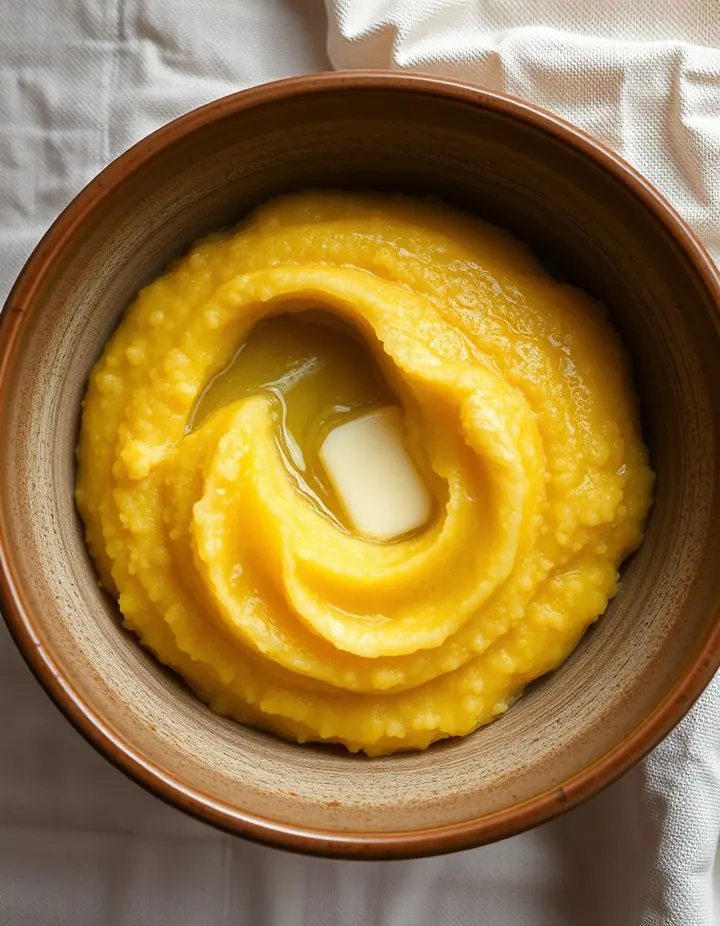 Cornmeal mush12 recipes
The free Flavor Lab newsletter: one surprising pairing a week and the molecular reason it works, in 60 seconds. No spam, unsubscribe anytime.
Prefer an account? Create a free account to save pairings and unlock the full chemistry.