Strawberry Acid
Ingredients
Directions
Macerate the fruit
In a pan, combine 12 pounds of strawberries with 2 quarts of water acidulated with 5 ounces of tartaric acid.
Let the mixture sit for 48 hours.
Strain the mixture carefully to avoid bruising the fruit.
Sweeten and bottle
For each pint of juice, add 1.5 pounds of powdered sugar and stir until dissolved.
Let the sweetened juice sit for a few days.
Bottle the mixture and cork lightly.
If fermentation occurs, leave the corks out for a few days.
Second infusion
Dissolve 2 ounces of citric acid in 1 quart of spring water and pour it over 3 pounds of ripe strawberries.
Let the mixture sit for 24 hours.
Drain the liquid and pour it over another 3 pounds of strawberries.
Let the mixture sit for another 24 hours and drain again.
Finish and seal
Add an equal weight of sugar to the liquid.
Boil the liquid for 3-4 minutes.
Pour the boiled liquid into cool bottles.
Cork lightly for 3 days.
Cork tightly and seal.
Transcribed from a scanned cookbook and modernised for today's kitchens. Where the book gave no heat or time, or said "a moderate oven", the temperatures and times here may be modern equivalents rather than the book's own figures.
Explore the science
What each ingredient does
- Strawberries
- Provide the fruit flavour and the juice that becomes the final liquid.
- Tartaric acid
- Adds sharp acidity that brightens the fruit flavour and helps preserve the juice.
- Powdered sugar
- Sweetens the juice and dissolves quickly, balancing the acidity.
- Citric acid
- Adds further acidity to the second infusion, sharpening the fruit flavour.
The step that matters
Straining the first mixture. Pressing or squeezing the fruit can release bitter pulp and cloudy solids, so straining gently keeps the juice clear and smooth-tasting.
“What each ingredient does” and “The step that matters” were written by Claude from this recipe’s own method and reviewed in samples by CompKitchen.
You might also like
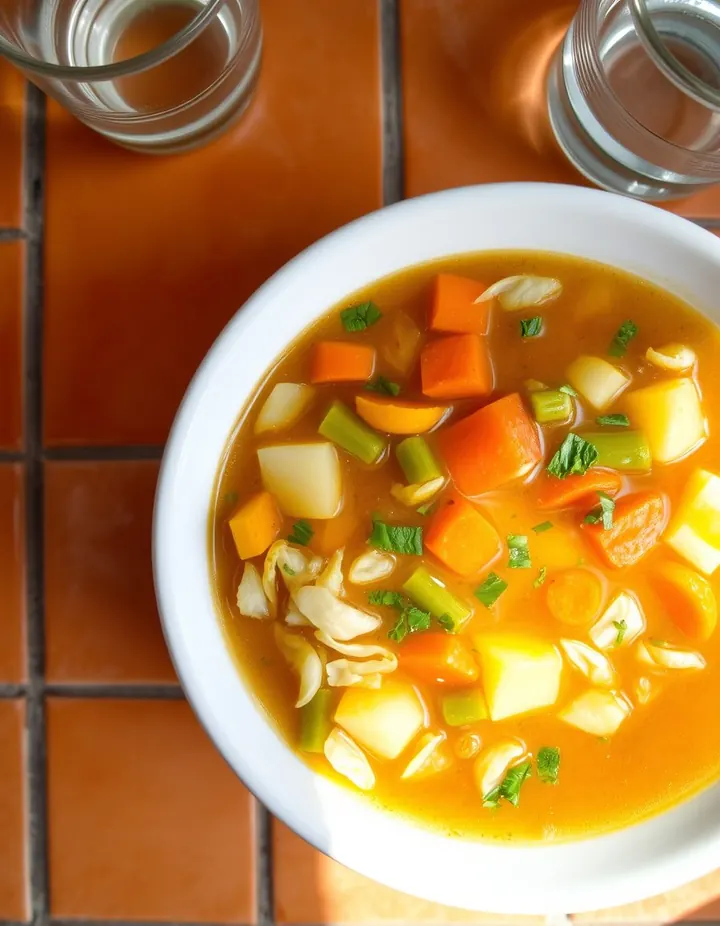 Vegetable Soup350 recipes
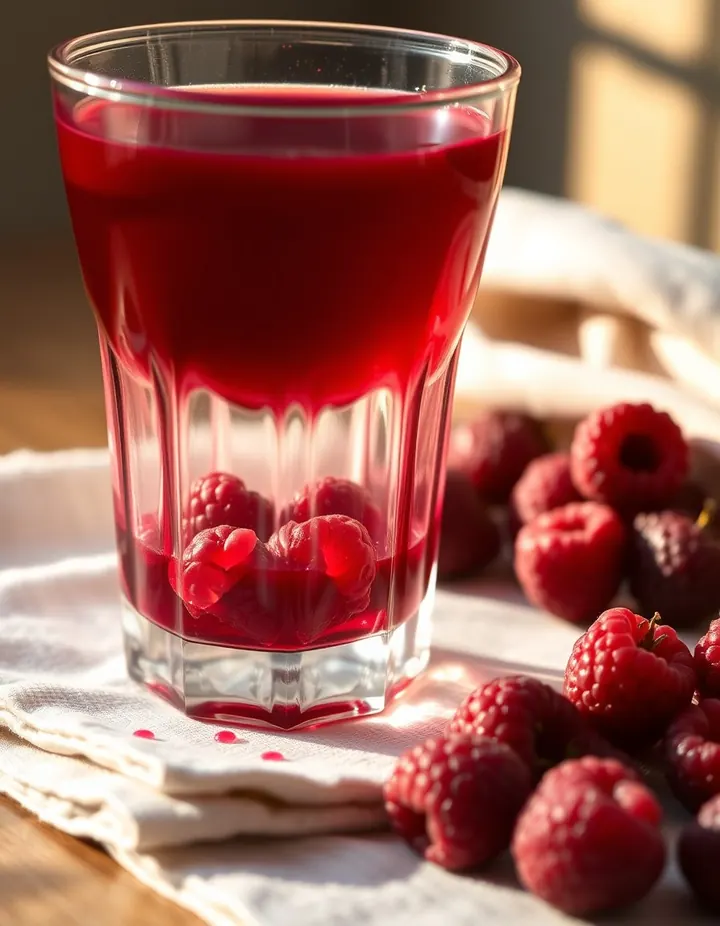 Raspberry Vinegar214 recipes
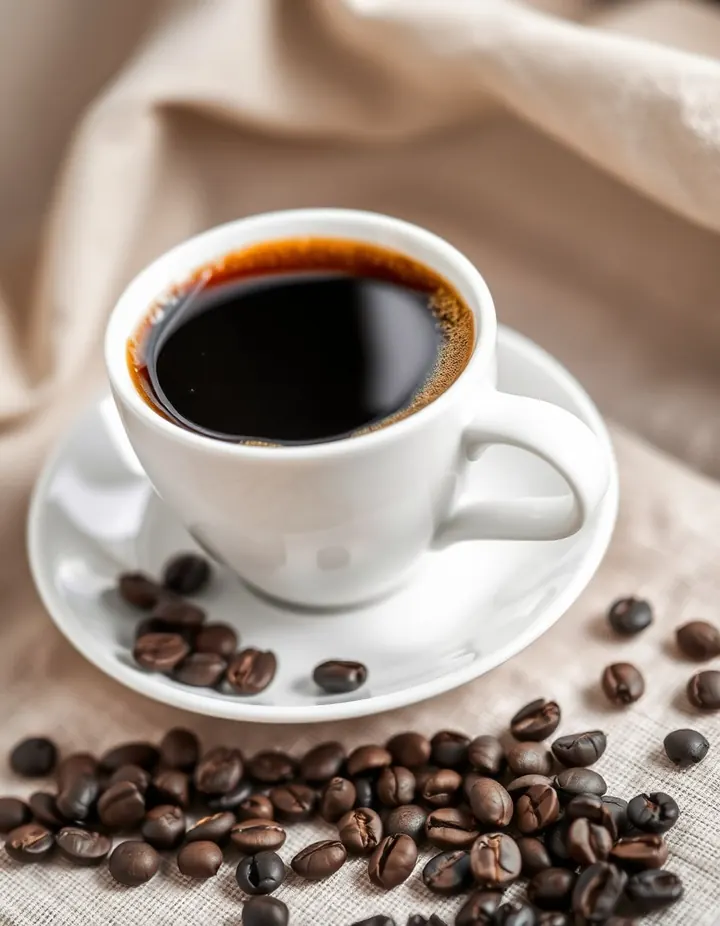 Brown Coffee with Egg175 recipes
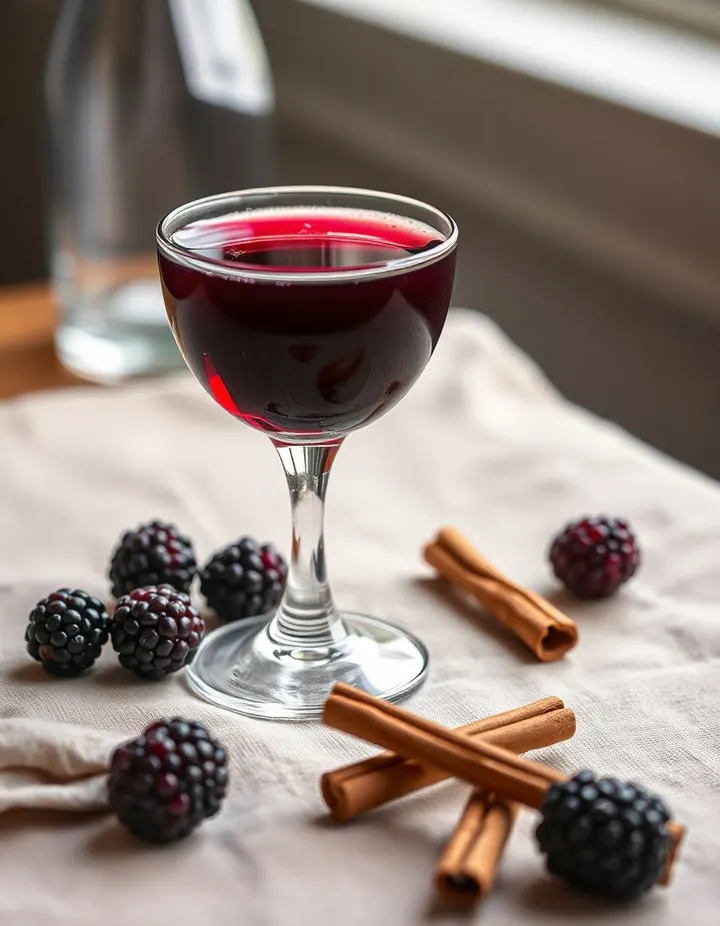 Blackberry Cordial129 recipes
The free Flavor Lab newsletter: one surprising pairing a week and the molecular reason it works, in 60 seconds. No spam, unsubscribe anytime.
Prefer an account? Create a free account to save pairings and unlock the full chemistry.