Why it works: Cabbage and cauliflower match in chemistry and in kitchens. They rank in the top 1% of all ingredient pairs, and cooks put them together in 305 recipes. Both carry 4'-methylacetophenone, which smells bitter almond. The science ↓
Chow Chow
Ingredients
Directions
Prepare the vegetables
Chop the green tomatoes, green peppers, onions, cabbage, and cauliflower finely.
Mix all the chopped vegetables together and pack them in a large jar, layering with salt at a ratio of ½ pint of salt for each peck of vegetables.
Let the mixture stand overnight.
Squeeze out the brine from the vegetables.
Add mustard and vinegar
Add the white mustard seed and ground mustard to the vegetables and mix well.
Transfer the mixture to the jar for storage.
Boil enough vinegar to cover the mixture and pour it over the chow chow.
Seal the jar tightly.
Transcribed from a scanned cookbook and modernised for today's kitchens. Where the book gave no heat or time, or said "a moderate oven", the temperatures and times here may be modern equivalents rather than the book's own figures.
Explore the science
The flavor team
The pairs that carry this dish. Each one is judged two ways: how much their aromas overlap, and how often cooks already put them together.
-
Cabbage + cauliflowertop 1% of all pairsSmell alikestrongCooked together305 recipes
Shared aroma: 4'-methylacetophenone (bitter almond).
-
Cauliflower + mustardtop 1% of all pairsSmell alikestrongCooked together687 recipes
Shared aroma: trans-2-hexenal (green, leafy).
-
Cabbage + mustardtop 3% of all pairsSmell alikestrongCooked together1,645 recipes
Shared aroma: 2-isopropyl-3-methoxypyrazine (earthy, pea).
-
Pepper + cabbagetop 5% of all pairsSmell alikemoderateCooked together4,081 recipes
Shared aroma: 2-isopropyl-3-methoxypyrazine (earthy, pea).
-
Onion + mustardtop 6% of all pairsSmell alikestrongCooked together9,259 recipes
Shared aroma: 2-isopropyl-3-methoxypyrazine (earthy, pea).
Ranks compare each pair with 20,000 random ingredient pairs on CompKitchen. How we score pairs
What each ingredient does
- Green tomatoes
- Provide the bulk of the pickle and release moisture that the salt draws out.
- Coarse sea salt
- Draws water out of the vegetables, firming them and preserving them before pickling.
- White mustard seed
- Adds pungent flavor and sharpness that carries through the vinegar.
- Ground mustard
- Adds sharp, pungent mustard flavor and helps thicken the pickle.
- Vinegar
- Acidifies the pickle, preserving it and giving it its tangy flavor.
The step that matters
Squeezing out the brine. Salted vegetables release a lot of liquid. If the brine is not squeezed out well, the pickle stays watery and can dilute the vinegar, weakening both texture and preservation.
Swap the tomato
How well each one fits the dish's main ingredients (pepper, onion, cabbage, cauliflower, mustard, vinegar):
- Horseradishfits better
- Broccolifits better
- Radishfits better
- Tomatothe original
Fit is the average pairing score against pepper, onion, cabbage, cauliflower, mustard, vinegar. Candidates are from the same food group and used in at least 100 recipes.
“What each ingredient does” and “The step that matters” were written by Claude from this recipe’s own method and reviewed in samples by CompKitchen.
You might also like
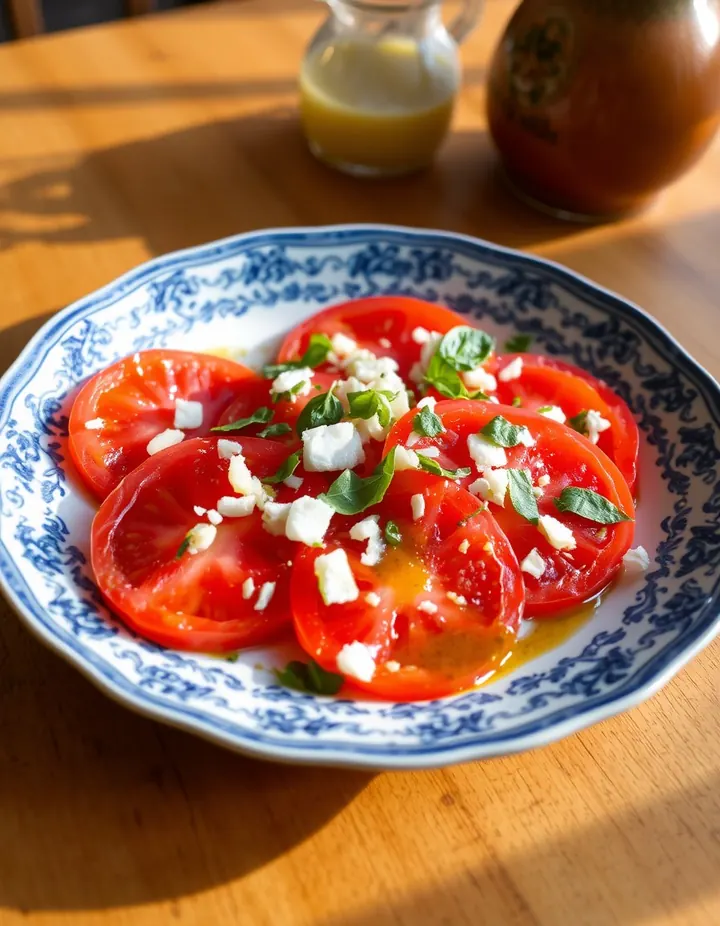 Tomato Salad179 recipes
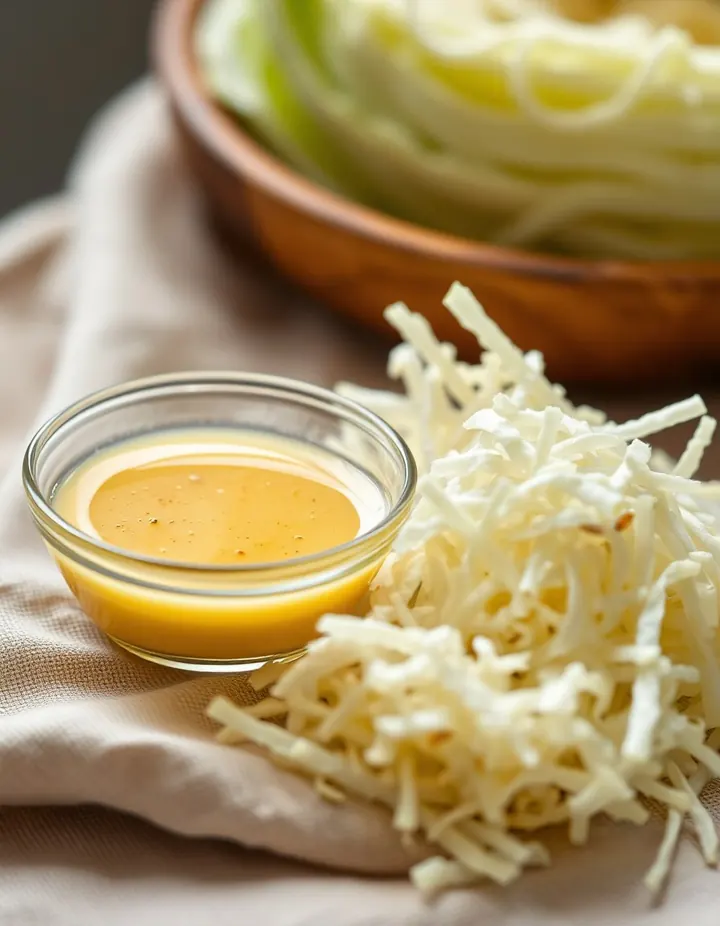 Cabbage Dressing9 recipes
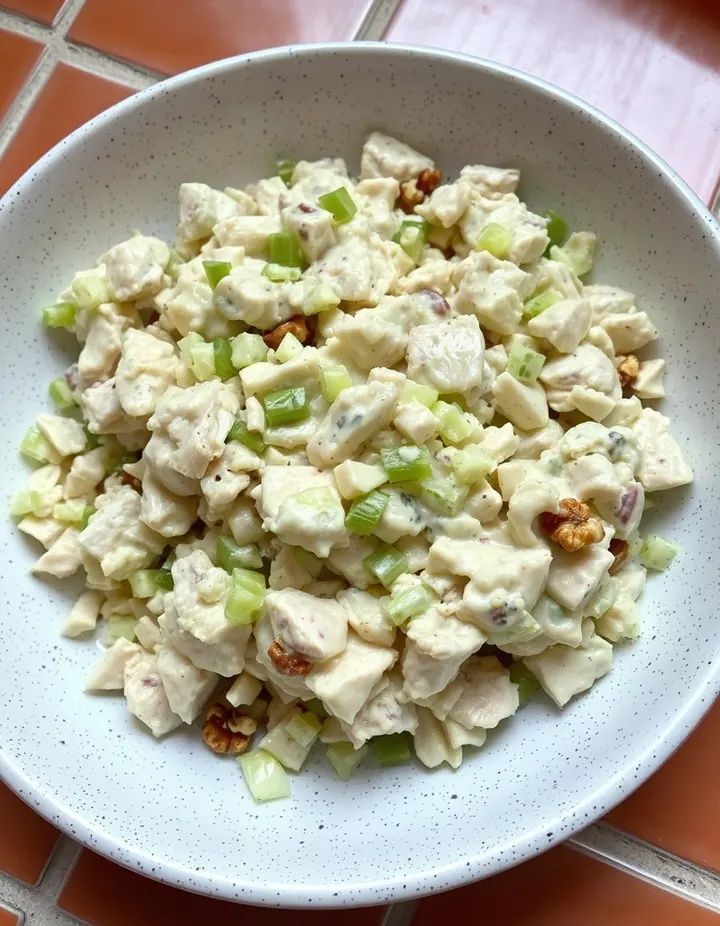 Chicken Salad623 recipes
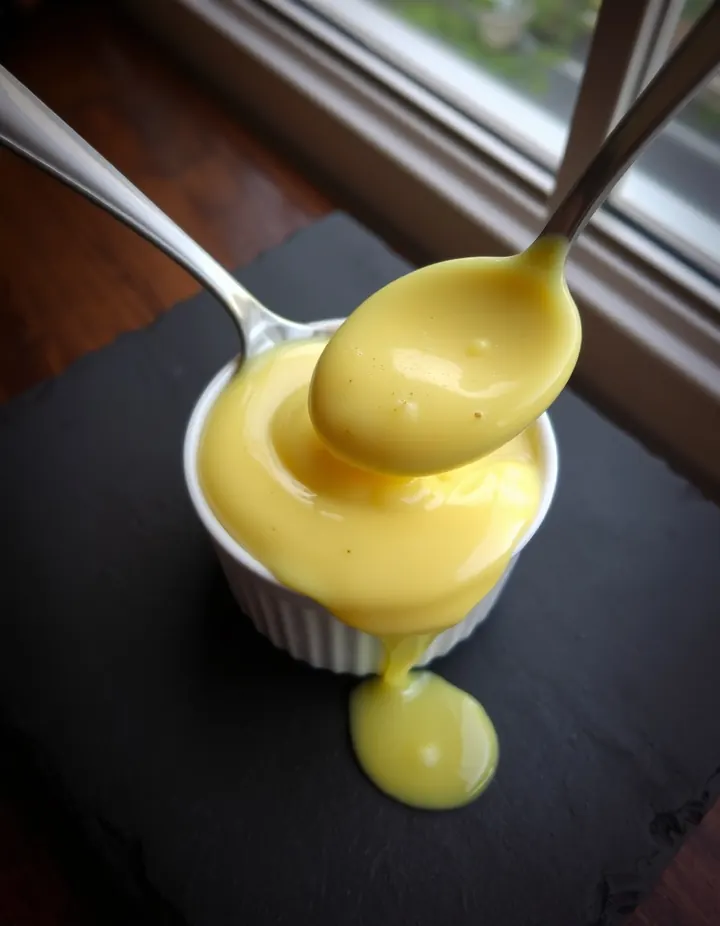 Salad Dressing491 recipes
The free Flavor Lab newsletter: one surprising pairing a week and the molecular reason it works, in 60 seconds. No spam, unsubscribe anytime.
Prefer an account? Create a free account to save pairings and unlock the full chemistry.