Why it works: Apple and cinnamon are a kitchen classic. They rank in the top 4% of all ingredient pairs, and cooks put them together in 5,598 recipes. Both carry methyl cinnamate, which smells strawberry. The science ↓
Apple Sandwich
Ingredients
Directions
The book gives no oven temperature. The 300°F (150°C) in the steps was added when the recipe was transcribed, as a starting point.
Prepare
Butter very thin slices of light, sweet bread.
Pare and slice the apples thinly.
Assemble the dish
In a well-buttered baking dish, place a layer of bread and butter.
Wet the layer with hot water.
Add a layer of apple slices.
Sprinkle the apple layer with sugar, cinnamon, and a tiny pinch of mace.
Repeat layers until the dish is full.
End with a layer of bread.
Butter both sides of the final bread layer.
Wet the final bread layer with hot water.
Cover with an inverted plate and a weight.
Bake and serve
Bake at 300°F (150°C) for about 2 hours, checking for doneness.
Baste the top with hot water and melted butter if needed.
Pour a little water into the sides if the apples are not juicy.
Remove the plate for the last half hour to brown the crust.
Serve with cream and sugar.
Transcribed from a scanned cookbook and modernised for today's kitchens. Where the book gave no heat or time, or said "a moderate oven", the temperatures and times here may be modern equivalents rather than the book's own figures.
Explore the science
The flavor team
The pairs that carry this dish. Each one is judged two ways: how much their aromas overlap, and how often cooks already put them together.
-
Apple + cinnamontop 4% of all pairsSmell alikemoderateCooked together5,598 recipes
Shared aroma: methyl cinnamate (strawberry).
-
Bread + buttertop 7% of all pairsSmell alikemoderateCooked together27,232 recipes
Shared aroma: delta-decalactone (sweet, creamy).
-
Cinnamon + macetop 10% of all pairsSmell alikemoderateCooked together3,611 recipes
Shared aroma: methyleugenol (clove, spice).
-
Sugar + cinnamontop 10% of all pairsSmell alikelowCooked together30,779 recipes
Shared aroma: guaiacol (smoky, sweet).
-
Bread + appletop 14% of all pairsSmell alikemoderateCooked together1,790 recipes
Shared aroma: 2,4-decadienal (seaweed).
Sugar and cinnamon barely smell alike, yet cooks put them together in 30,779 recipes: they work on texture and structure more than aroma.
Ranks compare each pair with 20,000 random ingredient pairs on CompKitchen. How we score pairs
What each ingredient does
- Light, sweet bread
- Forms the soft layers that soak up moisture and cook into a tender structure.
- Butter
- Adds richness and helps the bread brown on the surface.
- Mellow, pleasantly acid apples
- Provide the fruit layers, with tartness that balances the sweetness of the sugar.
- Sugar
- Adds sweetness and helps the apples caramelise and brown.
- Cinnamon
- Contributes warm aroma that complements the apples.
- Hot water
- Moistens the bread layers and creates steam so the dish cooks through without drying.
The step that matters
Covering and baking with the plate and weight. The covered dish traps steam so the apples soften and the bread stays moist; removing the plate late lets the surface dry and brown. Adding water if the apples lack juice prevents scorching.
Swap the mace
How well each one fits the dish's main ingredients (bread, butter, apple, sugar, cinnamon):
- Nutmegfits better
- Clovefits better
- Gingerfits better
- Macethe original
Fit is the average pairing score against bread, butter, apple, sugar, cinnamon. Candidates are from the same food group and used in at least 100 recipes.
“What each ingredient does” and “The step that matters” were written by Claude from this recipe’s own method and reviewed in samples by CompKitchen.
You might also like
 Brown Bread461 recipes
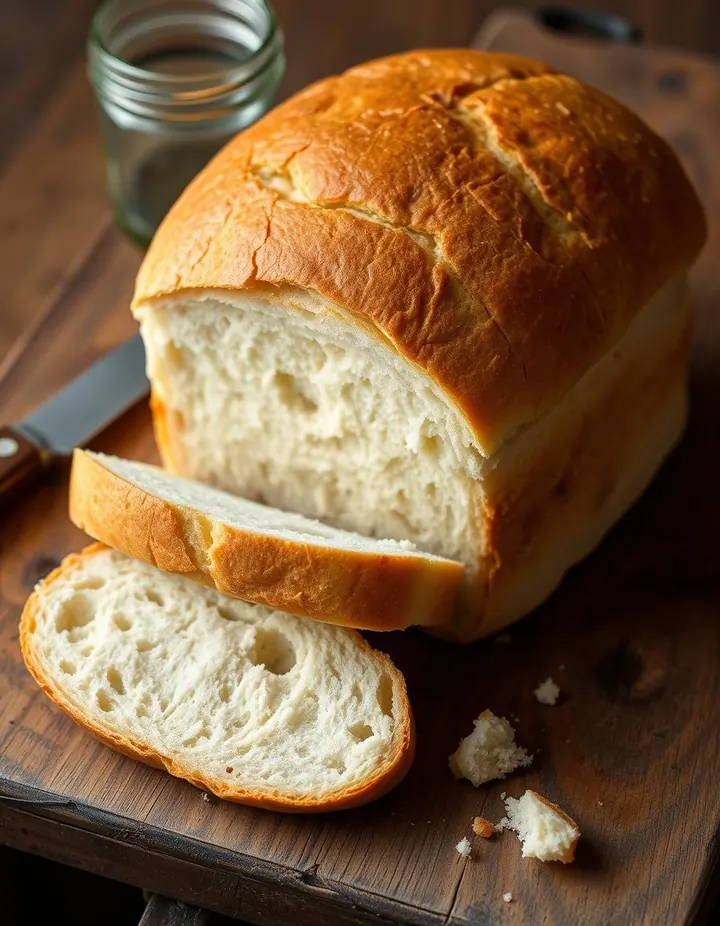 White Bread80 recipes
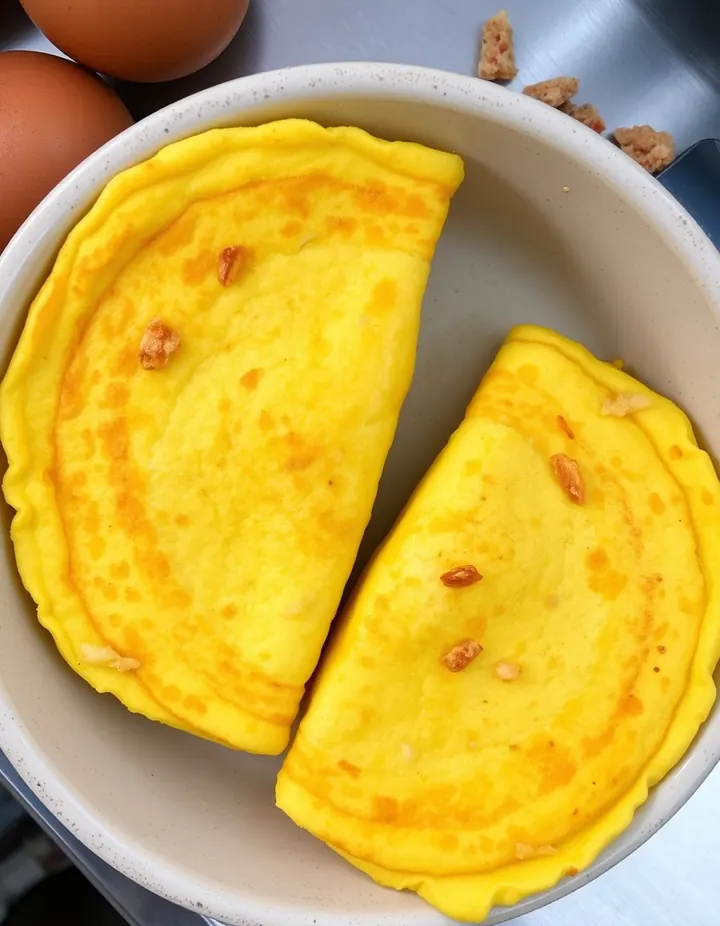 Bread Omelette60 recipes
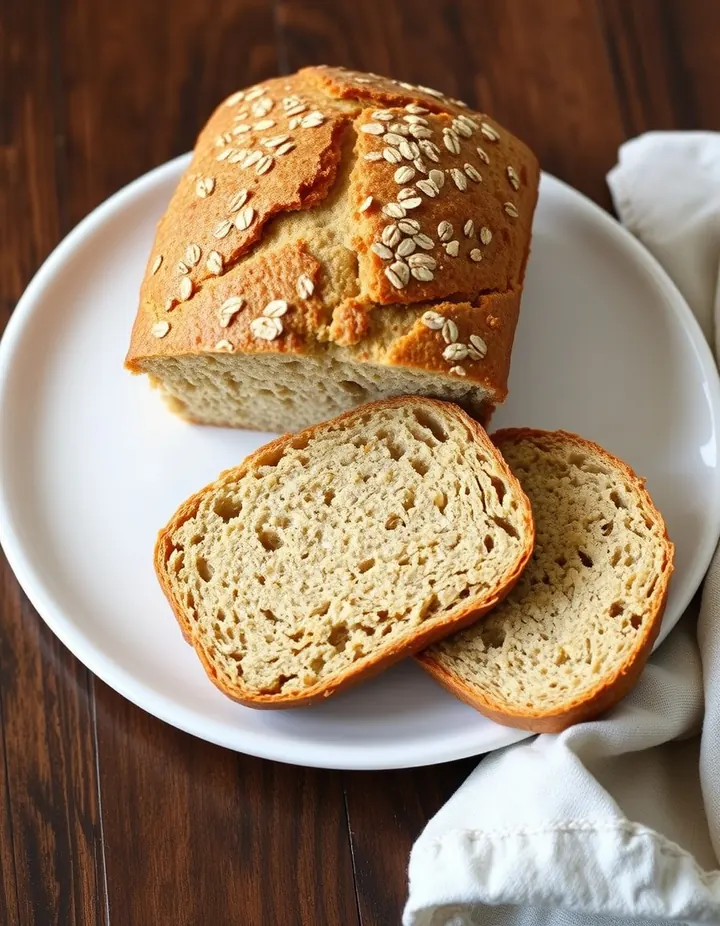 Oatmeal Bread51 recipes
The free Flavor Lab newsletter: one surprising pairing a week and the molecular reason it works, in 60 seconds. No spam, unsubscribe anytime.
Prefer an account? Create a free account to save pairings and unlock the full chemistry.