Why it works: Rice and pepper are a kitchen classic. They rank in the top 12% of all ingredient pairs, and cooks put them together in 8,379 recipes. Both carry trans-2-nonenal, which smells cardboard, fatty. The science ↓
Fowls and Tongue with Stewed Rice
Ingredients
Directions
Prepare the rice
Boil rice in water for 2 minutes, then strain.
Stew
Place fowls in a kettle and add stock.
Add rice to the kettle and bring to a boil, then simmer gently for 45 minutes.
Finish and serve
Trim tongue and cut into scallops.
Dish the fowls and ensure they are cooked through.
Transfer rice to a smaller pan, season with salt and cayenne, and add tongue scallops.
Serve the fowls with Bechamel sauce and rice arranged around them.
Transcribed from a scanned cookbook and modernised for today's kitchens. Where the book gave no heat or time, or said "a moderate oven", the temperatures and times here may be modern equivalents rather than the book's own figures.
Explore the science
The flavor team
The pairs that carry this dish. Each one is judged two ways: how much their aromas overlap, and how often cooks already put them together.
-
Rice + peppertop 12% of all pairsSmell alikemoderateCooked together8,379 recipes
Shared aroma: trans-2-nonenal (cardboard, fatty).
-
Rice + scalloptop 22% of all pairsSmell alikemoderateCooked together19 recipes
Shared aroma: 2-acetyl-1-pyrroline (popcorn, roasted).
-
Pepper + scalloptop 26% of all pairsSmell alikelowCooked together154 recipes
Shared aroma: nonanal (fat, citrus).
Ranks compare each pair with 20,000 random ingredient pairs on CompKitchen. How we score pairs
What each ingredient does
- Carolina rice
- Forms the bulk of the dish and absorbs stock as it simmers, giving it body.
- Fowls
- Provide the main cooked meat and flavour as they simmer in the stock.
- Stock
- Carries flavour into the rice as it cooks and softens the grains.
- Tongue
- Adds a rich, savoury meat flavour to the finished rice.
The step that matters
Simmering the rice gently for 45 minutes. A hard boil can break up rice grains and leave them mushy or unevenly cooked, while gentle simmering lets the grains absorb liquid evenly and keep their shape.
“What each ingredient does” and “The step that matters” were written by Claude from this recipe’s own method and reviewed in samples by CompKitchen.
You might also like
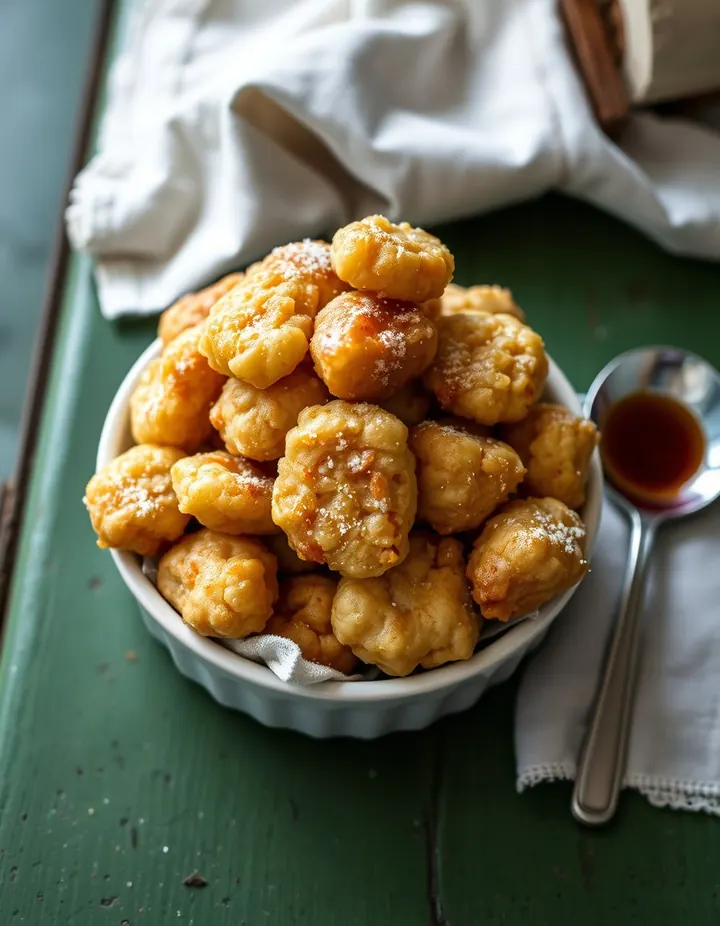 Rice Fritters84 recipes
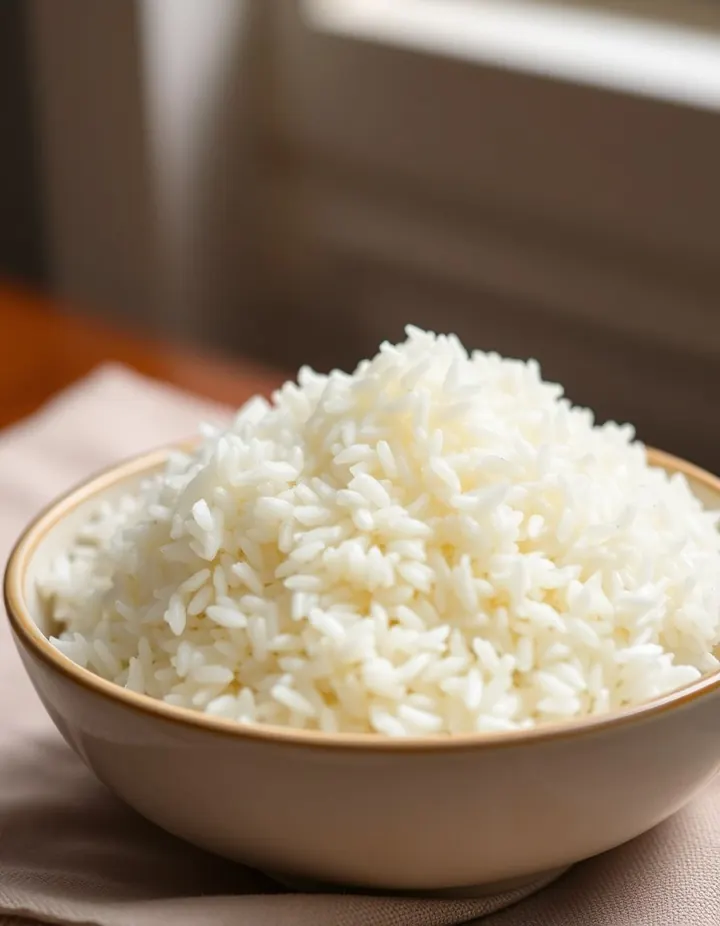 Steamed Rice48 recipes
 Rice Griddle Cakes28 recipes
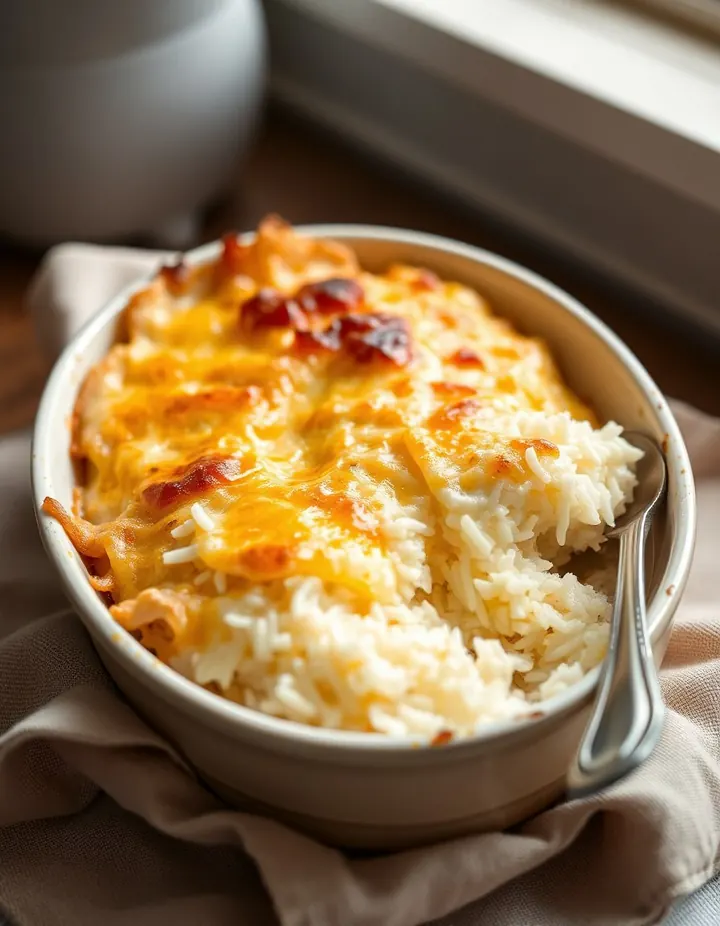 Rice and Cheese Casserole23 recipes
The free Flavor Lab newsletter: one surprising pairing a week and the molecular reason it works, in 60 seconds. No spam, unsubscribe anytime.
Prefer an account? Create a free account to save pairings and unlock the full chemistry.