Why it works: Rice and black currant share more aroma than cooks usually use. They rank in the top 6% of all ingredient pairs, and 23 recipes mention both. Both carry 4'-methylacetophenone, which smells bitter almond. The science ↓
The recipe
Ingredients
Contains: egg, milk (auto-detected from the ingredients and method; we can miss things, so check labels)
Also mentioned in the method: butter
Directions
The book says “a rather hot oven”. The 400°F (200°C) in the steps is the modern equivalent, not the book's own figure.
Prepare the mold
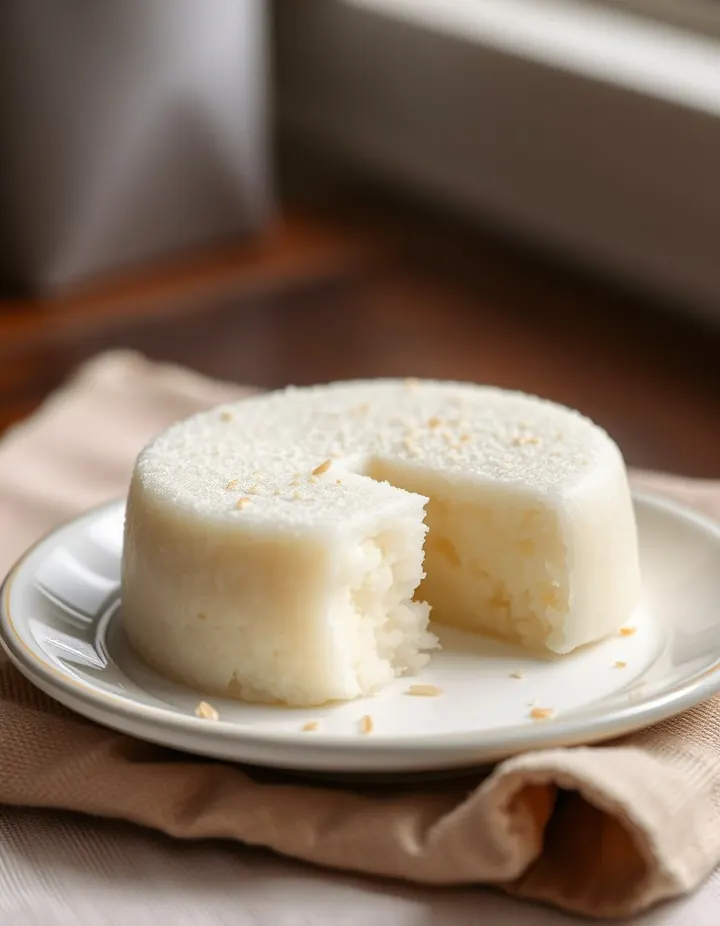
Line a mold with cooked rice, forming a round ball and creating a hole in the center.
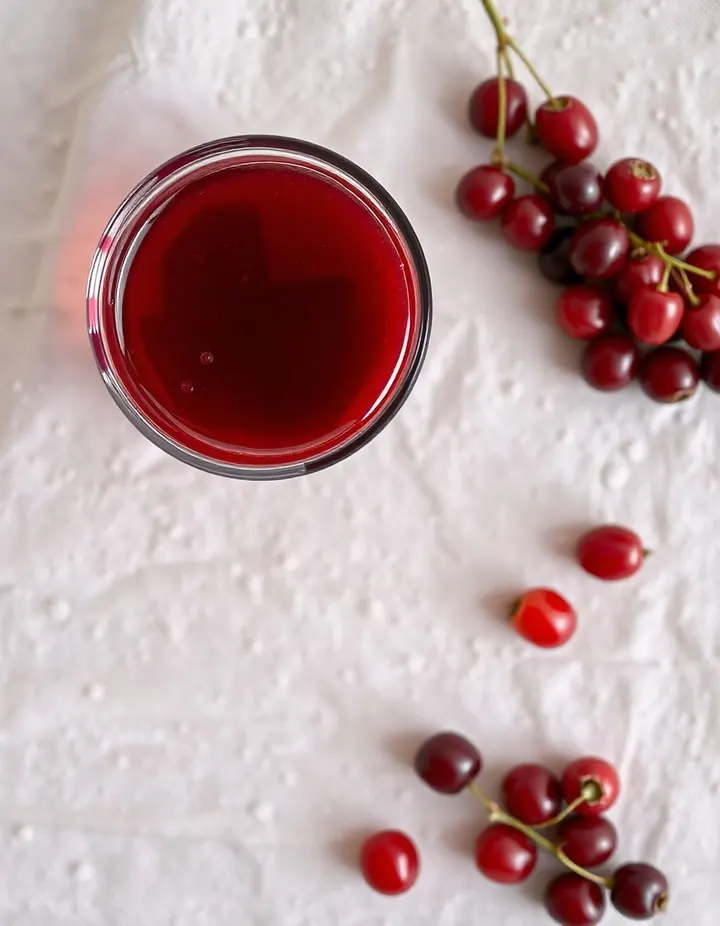
Fill the hole with 1 cup of black currant jam and reserve the rest for sauce.
Fill the mold with the remaining rice, ensuring it adheres to the sides.
Stir the rice with the egg yolks over heat for 1–2 minutes to firm it up.
Butter a piece of paper and twist it around the top of the mold.
Bake and serve
Place the mold on a folded sheet of paper in a small sauté pan.
Bake in a preheated oven at 400°F (200°C) for 30–35 minutes until golden brown.
Let it sit for 10 minutes before turning it out to compact the rice.
For the sauce, boil the remaining black currant jam with ½ cup syrup and pour around the pudding when serving.
Optionally serve with whole preserved fruits in the center for variety.
Transcribed from a scanned cookbook and modernised for today's kitchens. Where the book gave no heat or time, or said "a moderate oven", the temperatures and times here may be modern equivalents rather than the book's own figures.
Found this recipe through an AI assistant? CompKitchen also shows which ingredients go well together and why, from the aroma molecules they share and how often recipes combine them. Try the pairing tools.
Explore the science
The flavor team
The pairs that carry this dish. Each one is judged two ways: how much aroma chemistry they share, and how many recipes mention both.
-
Rice + black curranttop 6% of all pairsAroma overlapstrongMentioned together23 recipes
Shared aroma: 4'-methylacetophenone (bitter almond).
-
Rice + eggtop 15% of all pairsAroma overlapstrongMentioned together8,090 recipes
Shared aroma: (e,e)-2,4-decadienal (fatty, deep fried).
-
Rice + syruptop 15% of all pairsAroma overlaplowMentioned together424 recipes
Shared aroma: ethanol (alcoholic, ethereal).
-
Black currant + syruptop 16% of all pairsAroma overlaplowMentioned together20 recipes
Shared aroma: ethanol (alcoholic, ethereal).
-
Egg + syruptop 20% of all pairsAroma overlapmoderateMentioned together2,978 recipes
Ranks compare each pair with 20,000 random ingredient pairs on CompKitchen. How we score pairs
What each ingredient does
- Cooked rice
- Forms the body of the pudding and holds its shape when molded and turned out.
- Egg yolks
- Stirred with the rice over heat to firm it up and bind the mass together.
- Black currant jam
- Fills the center and sweetens the pudding, adding fruity flavour and moisture to the sauce.
- Syrup
- Sweetens the boiled jam sauce and thins it to a pourable consistency.
The step that matters
Stirring the rice with the egg yolks over heat. Heating the yolks gently with the rice thickens them and sets the mass so it holds its shape. Too little heat or time leaves it loose and it will collapse when turned out; too much can scramble the yolks.
Flavor stand-ins for the black currant
How well each one fits the dish's main ingredients (rice, egg, syrup):
- Vanillabetter flavor fit
- Coconutbetter flavor fit
- Lemonbetter flavor fit
- Black currantthe original
Fit is the average pairing score against rice, egg, syrup. Candidates are from the same food group and used in at least 100 recipes. This compares flavor only: it does not check the job the ingredient does in the dish (bulk, moisture, acidity, structure).
“What each ingredient does” and “The step that matters” were written by Claude, an AI, from this recipe’s own method. They are not checked recipe by recipe, so they can be wrong.
Make it your own
Stand-ins, a drink, and quick taste fixes for this dish, ranked by how well each fits its other ingredients: shared aroma molecules and how often recipes combine them.
You might also like
 Illustration
 Illustration
 Illustration
 Illustration
The Sunday pairing: one pairing, the chemistry behind it, and how to cook it. No spam, unsubscribe anytime.
Prefer an account? Create a free account for sign-in; Pro adds the full results and chemistry.