Why it works: Butter and flour are a kitchen classic. They rank in the top 12% of all ingredient pairs, and cooks put them together in 124,287 recipes. Both carry isobutyraldehyde, which smells malty, green. The science ↓
Beignets Soufflés Ou Pets De Nonnes
Ingredients
Directions
The book gives no cooking times; the times in the steps were added in transcription, so check for doneness rather than trusting the clock.
Make the dough
In a saucepan, bring ½ liter of water, ¼ teaspoon of salt, and 2 tablespoons of sugar to a boil with 1 tablespoon of butter.
Once boiling, add 1 cup of flour, stirring constantly until the mixture thickens and pulls away from the sides of the pan.
Cook for an additional 30 minutes, then remove from heat and let cool slightly.
Add 1 egg at a time, mixing well after each addition until fully incorporated.
Rest the dough
Let the dough rest for 3 hours before frying.
When ready to fry, stir in 2 tablespoons of orange flower water.
Fry and serve
Heat oil in a deep pan until hot, then drop spoonfuls of dough into the oil.
Do not touch the beignets while frying; they will turn themselves.
Fry until golden brown, then remove with a slotted spoon and drain on paper towels.
Dust with sugar and serve hot.
Transcribed from a scanned cookbook and modernised for today's kitchens. Where the book gave no heat or time, or said "a moderate oven", the temperatures and times here may be modern equivalents rather than the book's own figures.
Explore the science
The flavor team
The pairs that carry this dish. Each one is judged two ways: how much their aromas overlap, and how often cooks already put them together.
-
Butter + flourtop 12% of all pairsSmell alikelowCooked together124,287 recipes
Shared aroma: isobutyraldehyde (malty, green).
-
Sugar + flourtop 15% of all pairsSmell alikemoderateCooked together92,116 recipes
Shared aroma: phenylacetaldehyde (hawthorne, honey).
-
Flour + eggtop 15% of all pairsSmell alikelowCooked together106,462 recipes
Shared aroma: isobutyraldehyde (malty, green).
-
Butter + eggtop 17% of all pairsSmell alikemoderateCooked together118,967 recipes
Shared aroma: decanal (soap, orange peel).
-
Sugar + buttertop 17% of all pairsSmell alikemoderateCooked together98,233 recipes
Shared aroma: guaiacol (smoky, sweet).
Butter and flour barely smell alike, yet cooks put them together in 124,287 recipes: they work on texture and structure more than aroma.
Ranks compare each pair with 20,000 random ingredient pairs on CompKitchen. How we score pairs
What each ingredient does
- All-purpose flour
- Starch and gluten form the structure that holds the dough together.
- Eggs
- Set the dough's structure and provide the lift that makes the beignets puff.
- Water
- Turns to steam in the hot dough and oil, helping the beignets puff.
- Unsalted butter
- Adds fat that softens the crumb and gives a richer, tender bite.
- Sugar
- Adds sweetness and helps the outside brown as it fries.
- Orange flower water
- Adds a floral aroma that comes through once the beignets are fried.
The step that matters
Heat the oil until hot before frying. Cool oil lets the beignets soak up grease and turn heavy, while hot oil sets the surface quickly so the dough can puff evenly. Leave them alone while they fry so the puff can form.
Swap the orange
How well each one fits the dish's main ingredients (sugar, butter, flour, egg):
- Raisinfits better
- Vanillafits better
- Figfits better
- Orangethe original
Fit is the average pairing score against sugar, butter, flour, egg. Candidates are from the same food group and used in at least 100 recipes.
“What each ingredient does” and “The step that matters” were written by Claude from this recipe’s own method and reviewed in samples by CompKitchen.
You might also like
 Orange Bundt Cake349 recipes
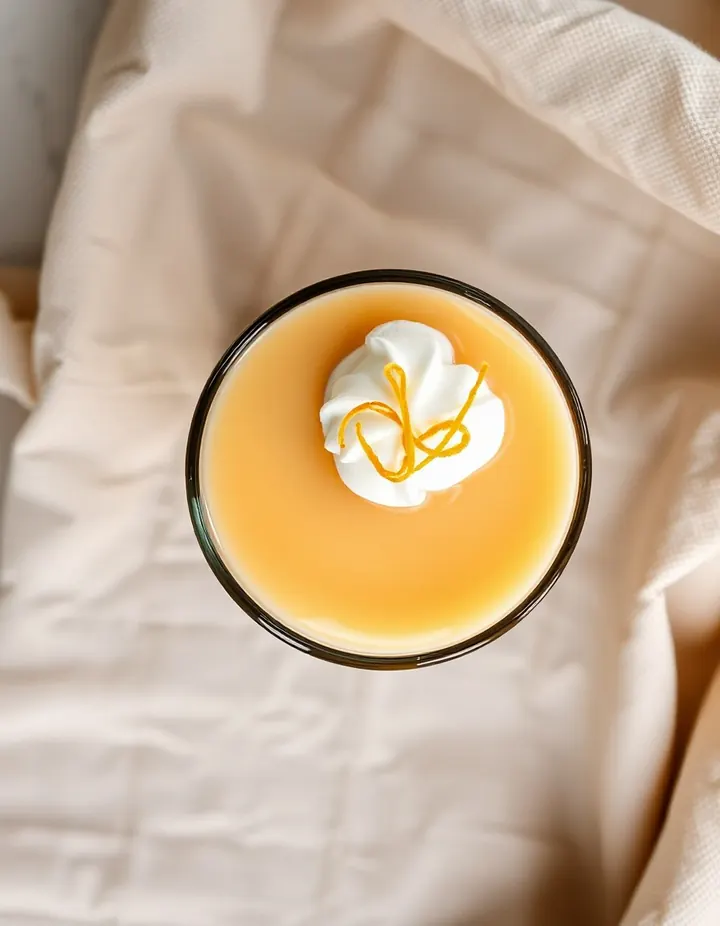 Orange Cream Rice Pudding121 recipes
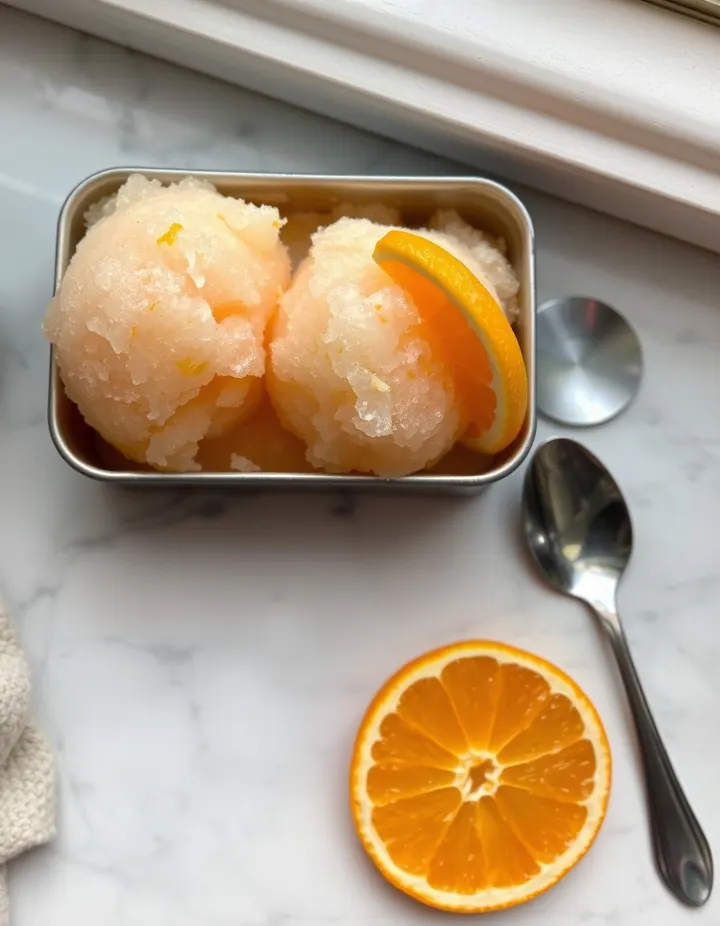 Orange Gelatin100 recipes
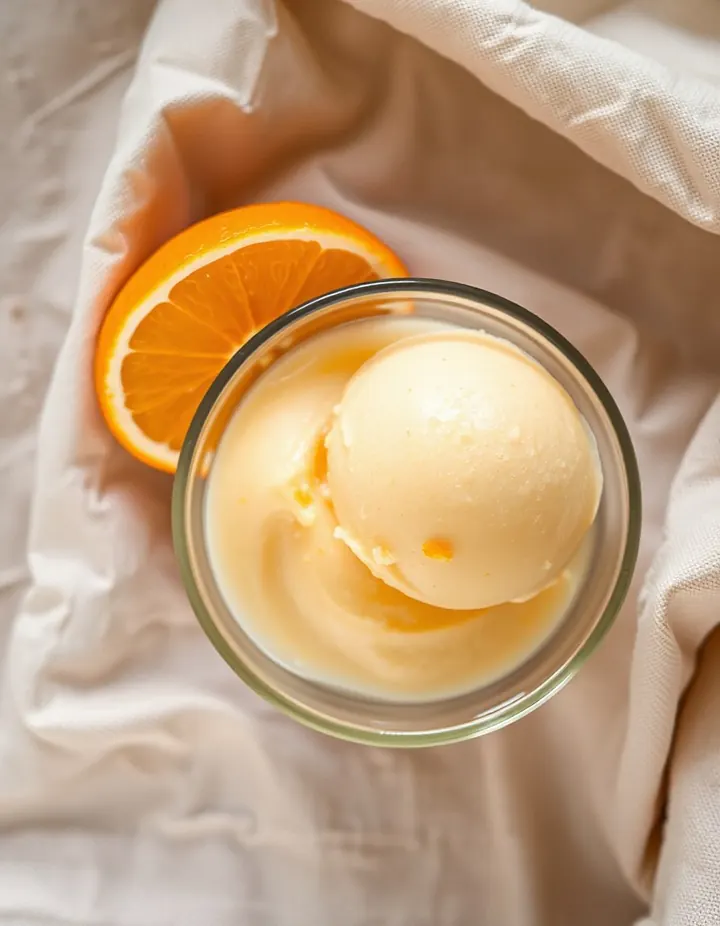 Orange Sherbet73 recipes
The free Flavor Lab newsletter: one surprising pairing a week and the molecular reason it works, in 60 seconds. No spam, unsubscribe anytime.
Prefer an account? Create a free account to save pairings and unlock the full chemistry.