Why it works: Turkey and pork work together. They rank in the top 7% of all ingredient pairs, and cooks put them together in 830 recipes. Both carry trans-2-decenal, which smells waxy, orange. The science ↓
Galantine De Dinde Sur Socle
Ingredients
Directions
Prepare the turkey
Remove the skin from the turkey legs, wings, and neck.
Debone the turkey completely.
Lift the meat from the skin without breaking it.
Remove the nerves from the thighs and fillets.
Make the stuffing and fill the galantine
Make a stuffing by finely chopping and grinding the veal and pork together.
Season the stuffing with spicy salt.
Dice the truffles, tongue, and blanched pork into 1-inch squares to make a salpicon.
Spread the turkey skin on a table.
Cover the skin with a 1-inch layer of stuffing.
Replace half of the meat.
Season the replaced meat with spicy salt.
Cover the meat with the salpicon.
Add another layer of stuffing over the salpicon.
Place the remaining meat and salpicon on top.
Season again with spicy salt.
Cover everything with the remaining stuffing.
Fold the skin over to enclose the filling.
Tie the galantine to shape it into an oval.
Wrap the galantine in a towel.
Secure the towel tightly at both ends.
Add strings along the length to hold the towel in place.
Braise and finish
Place the turkey in a covered braising pan.
Submerge the turkey in mirepoix by 1.5 inches.
Cook on low heat for 4 hours.
Remove the galantine from heat.
Let it sit in the cooking liquid for 1 hour.
Drain and unwrap the towel.
Place the galantine on a serving platter.
Wash the towel in hot water.
Rewrap the galantine, maintaining its shape and tightening at both ends.
Press the galantine.
Let it cool completely.
Remove the galantine from the towel.
Place it on a board.
Place it in front of the oven for 4 minutes.
Blot off excess fat.
Glaze with poultry jelly.
Transcribed from a scanned cookbook and modernised for today's kitchens. Where the book gave no heat or time, or said "a moderate oven", the temperatures and times here may be modern equivalents rather than the book's own figures.
Explore the science
The flavor team
The pairs that carry this dish. Each one is judged two ways: how much their aromas overlap, and how often cooks already put them together.
-
Turkey + porktop 7% of all pairsSmell alikemoderateCooked together830 recipes
Shared aroma: trans-2-decenal (waxy, orange).
-
Veal + truffletop 11% of all pairsSmell alikelowCooked together815 recipes
Shared aroma: 2,4-nonadienal (fatty, green).
-
Pork + truffletop 11% of all pairsSmell alikemoderateCooked together1,380 recipes
Shared aroma: 3-ethylphenol (must).
-
Veal + porktop 11% of all pairsSmell alikemoderateCooked together4,930 recipes
Shared aroma: 4-heptenal (creamy, biscuit).
-
Turkey + truffletop 14% of all pairsSmell alikelowCooked together167 recipes
Shared aroma: 1-octen-3-ol (mushroom, earthy).
Ranks compare each pair with 20,000 random ingredient pairs on CompKitchen. How we score pairs
What each ingredient does
- Turkey
- Provides the lean meat and skin that enclose the filling and hold the roll together.
- Veal
- Gives the stuffing a fine, tender texture once finely chopped and ground.
- Pork
- Adds fat and moisture so the stuffing stays juicy during long cooking.
- Truffles
- Contribute a strong, earthy aroma to the filling.
- Tongue
- Adds meaty flavour and a firm texture to the salpicon.
The step that matters
Cook on low heat for 4 hours. Gentle, low heat keeps the meat tender and the stuffing moist. A hard boil toughens the proteins and can break the roll apart, while slow cooking lets connective tissue soften gradually.
“What each ingredient does” and “The step that matters” were written by Claude from this recipe’s own method and reviewed in samples by CompKitchen.
You might also like
 Pork Cake107 recipes
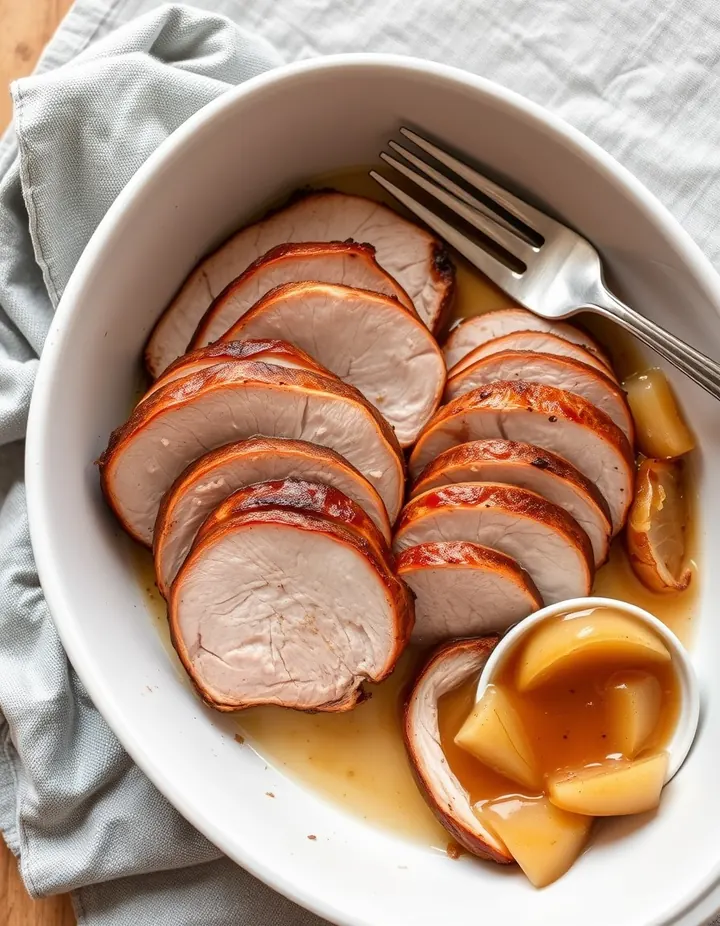 Roast Pork82 recipes
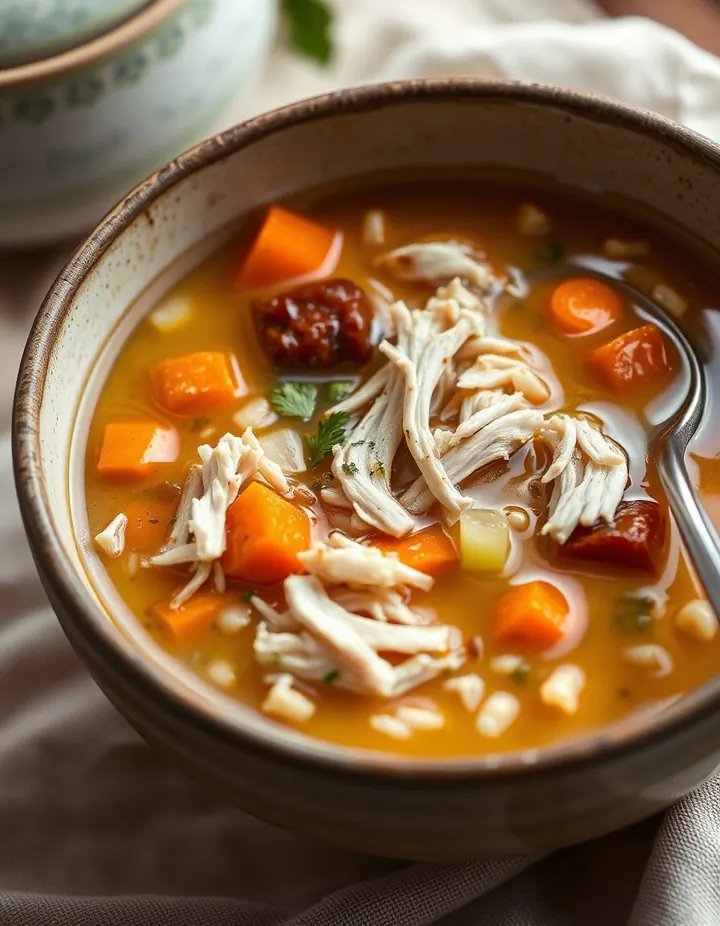 Turkey Soup71 recipes
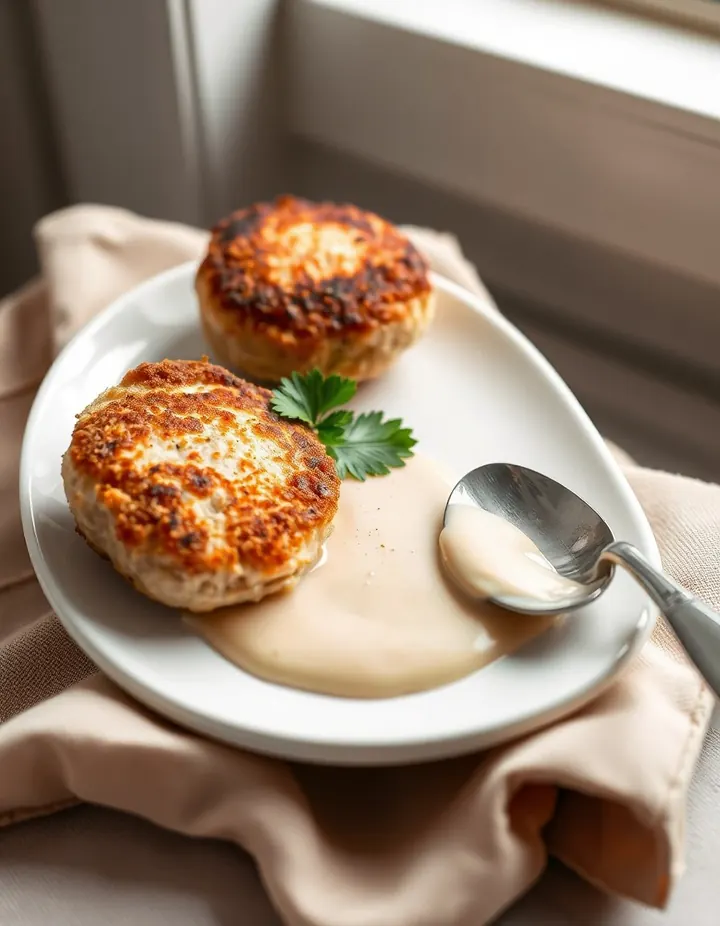 Veal Patties50 recipes
The free Flavor Lab newsletter: one surprising pairing a week and the molecular reason it works, in 60 seconds. No spam, unsubscribe anytime.
Prefer an account? Create a free account to save pairings and unlock the full chemistry.