Bread Sponge
Ingredients
Directions
In a large basin, combine the flour and salt.
In another basin, place the yeast and pour in the water.
If the water is too hot, the bread will have holes; if too cold, it will be heavy.
Use ½ cup of the water to dissolve the yeast until smooth.
Pour the yeast mixture into the center of the flour, stirring from the sides.
Let the sponge sit in a warm place for about 2 hours until ready to use.
Transcribed from a scanned cookbook and modernised for today's kitchens. Where the book gave no heat or time, or said "a moderate oven", the temperatures and times here may be modern equivalents rather than the book's own figures.
Explore the science
What each ingredient does
- Flour
- Forms the structure of the dough once its proteins develop with water and mixing.
- Compressed yeast
- Ferments the sugars in the flour, producing gas that makes the dough rise.
- Tepid water
- Hydrates the flour and yeast and activates the yeast without killing it.
The step that matters
Keep the water tepid. Water that is too hot can kill the yeast and cause holes, while water that is too cold slows fermentation and makes the bread heavy. Mixing hot and cold water to a moderate temperature keeps the yeast active.
“What each ingredient does” and “The step that matters” were written by Claude from this recipe’s own method and reviewed in samples by CompKitchen.
You might also like
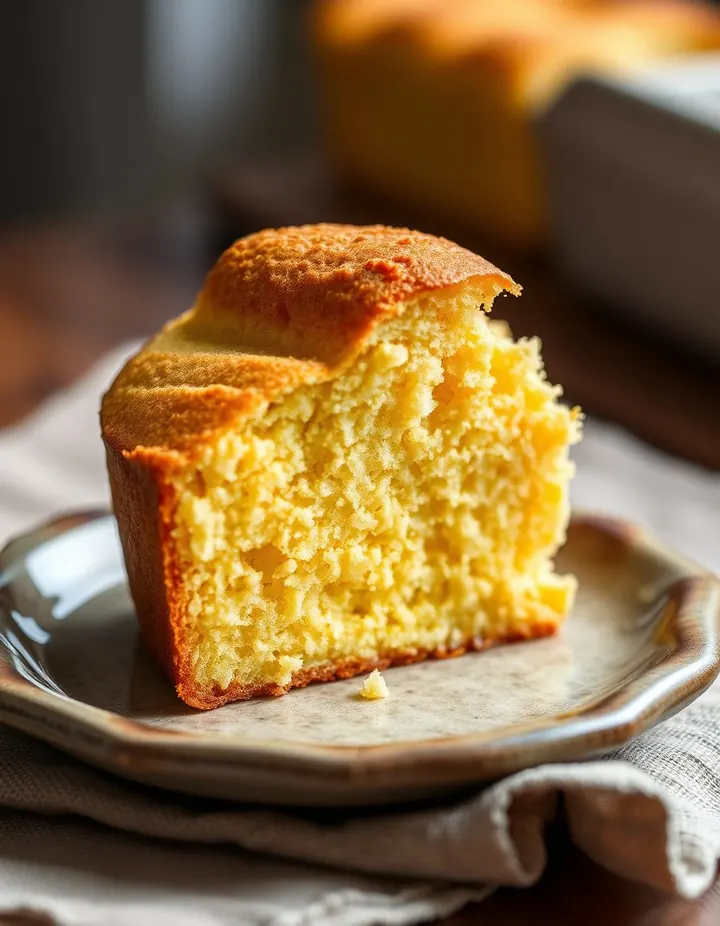 Cornbread345 recipes
 Bread Pudding336 recipes
 Milk Bread Rolls242 recipes
 Potato Bread124 recipes
The free Flavor Lab newsletter: one surprising pairing a week and the molecular reason it works, in 60 seconds. No spam, unsubscribe anytime.
Prefer an account? Create a free account to save pairings and unlock the full chemistry.