Why it works: Onion and pork are a kitchen classic. They rank in the top 10% of all ingredient pairs, and cooks put them together in 18,214 recipes. Both carry 2-isopropyl-3-methoxypyrazine, which smells earthy, pea. The science ↓
Stuffed Onions
Ingredients
Directions
The book says “a moderate oven”. The 350°F (175°C) in the steps is the modern equivalent, not the book's own figure.
Prepare the onions
Peel the onions carefully, avoiding cutting too deep at the ends.
Parboil the onions in lightly salted water with butter for 10 minutes.
Drain and dry the onions on a napkin.
When cool, scoop out the centers.
Fill and cook
Fill the centers with forced meat and cooked herbs.
Arrange the onions in a buttered flat saucepan, close together.
Season the onions with salt and a little sugar.
Cover each onion with a slice of fat pork.
Moisten the onions with broth.
Heat the onions on the stove until boiling.
Cover the pan.
Transfer the pan to a 350°F (175°C) oven.
Once cooked, remove the onions.
Make the gravy and serve
Strain the gravy into another saucepan.
Skim off the grease from the gravy.
Add Espagnole sauce to the gravy and reduce it to the desired consistency.
Serve the gravy on the dish with the onions.
Transcribed from a scanned cookbook and modernised for today's kitchens. Where the book gave no heat or time, or said "a moderate oven", the temperatures and times here may be modern equivalents rather than the book's own figures.
Explore the science
The flavor team
The pairs that carry this dish. Each one is judged two ways: how much their aromas overlap, and how often cooks already put them together.
-
Onion + porktop 10% of all pairsSmell alikemoderateCooked together18,214 recipes
Shared aroma: 2-isopropyl-3-methoxypyrazine (earthy, pea).
-
Meat + porktop 11% of all pairsSmell alikemoderateCooked together3,208 recipes
Shared aroma: 1-octen-3-one (mushroom, metallic).
-
Butter + porktop 13% of all pairsSmell alikemoderateCooked together13,933 recipes
Shared aroma: 2-furfurylthiol (coffee, roasted).
-
Sugar + saucetop 13% of all pairsSmell alikestrongCooked together5,147 recipes
Shared aroma: ethanol (alcoholic, ethereal).
-
Butter + saucetop 15% of all pairsSmell alikelowCooked together15,338 recipes
Shared aroma: ethanol (alcoholic, ethereal).
Butter and sauce barely smell alike, yet cooks put them together in 15,338 recipes: they work on texture and structure more than aroma.
Ranks compare each pair with 20,000 random ingredient pairs on CompKitchen. How we score pairs
What each ingredient does
- White onions
- Form the edible shell that holds the filling and softens into a tender base.
- Forced meat of veal or chicken
- Provides a savory, tender filling that cooks through inside the onion.
- Butter
- Adds richness and helps the onions brown lightly in the pan.
- Thin slices of fat pork
- Bastes the onions as it renders, adding fat and savory flavour.
- Espagnole sauce
- Adds body and depth to the gravy when reduced.
The step that matters
Heat the onions on the stove until boiling. Bringing the liquid to a boil before the oven starts the cooking evenly. Skipping or rushing this can leave the onion centers undercooked or the broth unevenly heated.
Swap the onion
How well each one fits the dish's main ingredients (butter, meat, sugar, pork, sauce):
- Mustardfits better
- Potatofits better
- Capsicumfits better
- Onionthe original
Fit is the average pairing score against butter, meat, sugar, pork, sauce. Candidates are from the same food group and used in at least 100 recipes.
“What each ingredient does” and “The step that matters” were written by Claude from this recipe’s own method and reviewed in samples by CompKitchen.
You might also like
 Pork Cake107 recipes
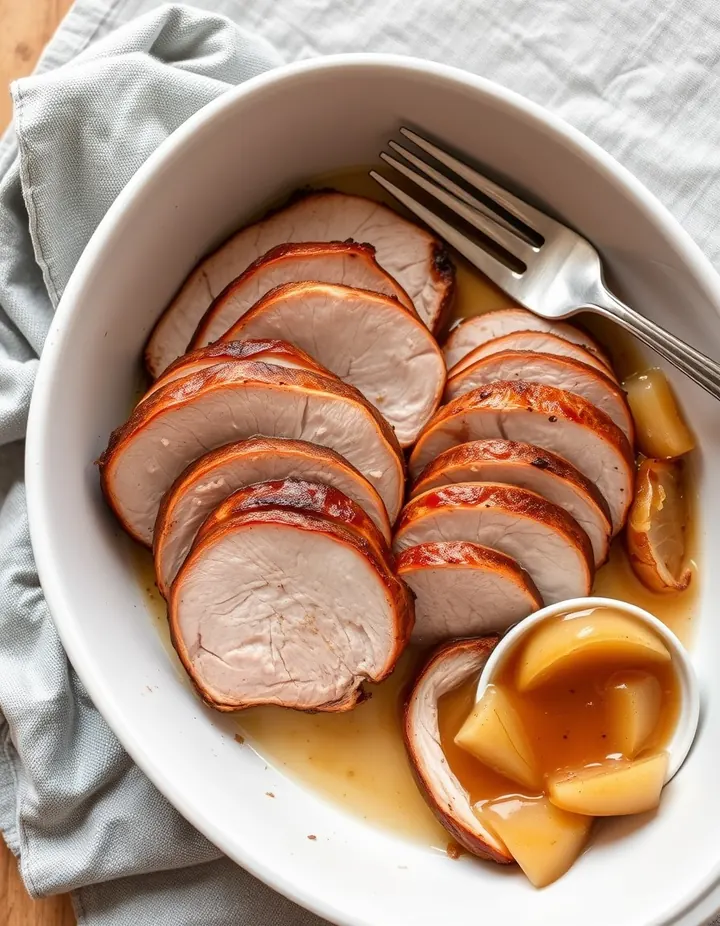 Roast Pork82 recipes
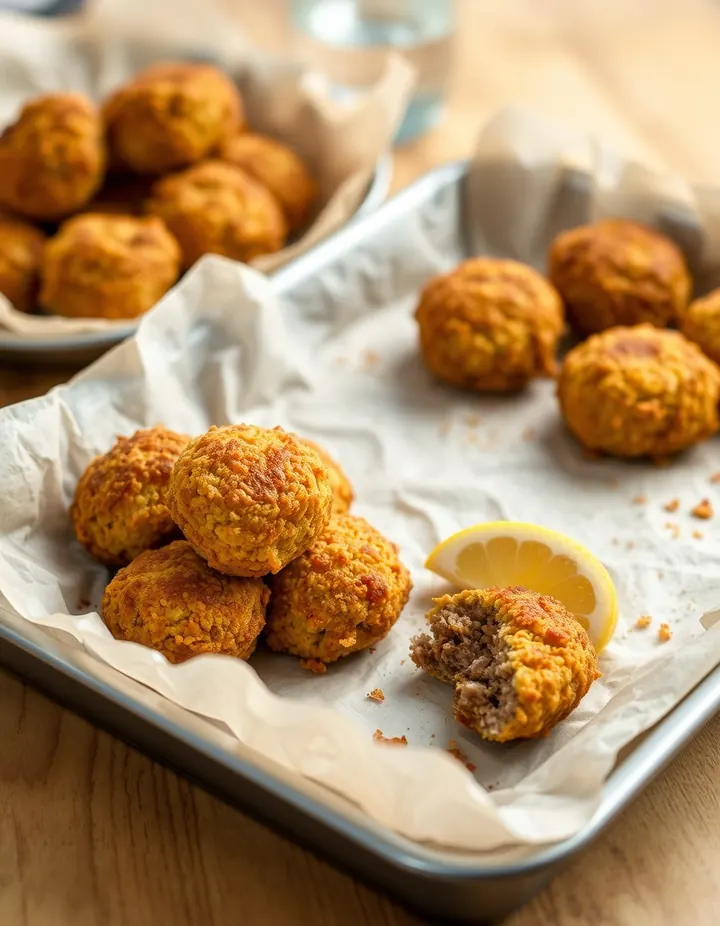 Meat Croquettes52 recipes
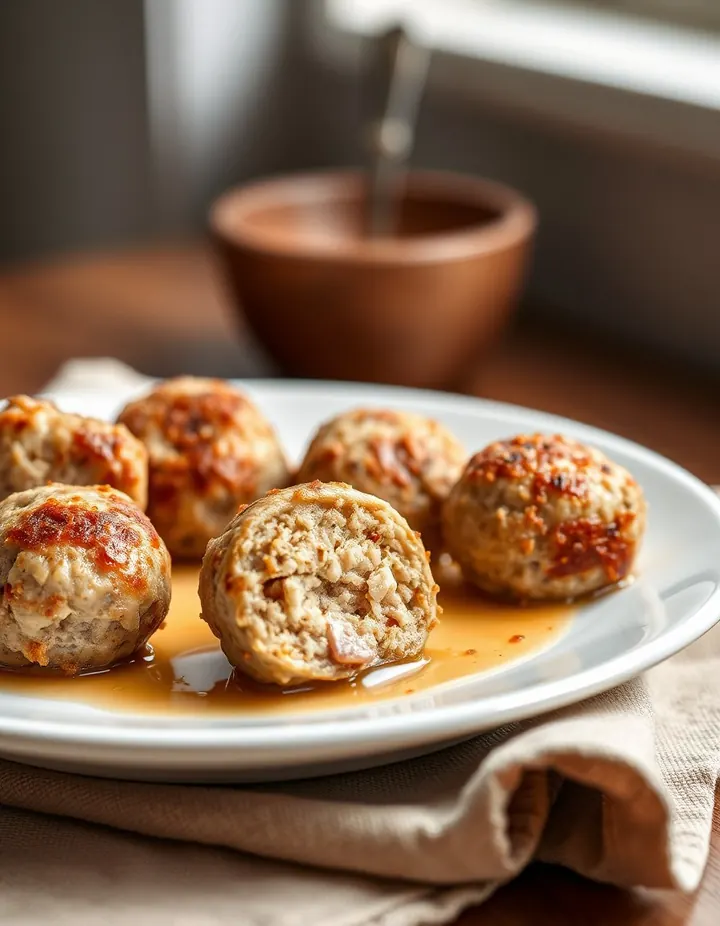 Meatballs37 recipes
The free Flavor Lab newsletter: one surprising pairing a week and the molecular reason it works, in 60 seconds. No spam, unsubscribe anytime.
Prefer an account? Create a free account to save pairings and unlock the full chemistry.