Why it works: Butter and flour are a kitchen classic. They rank in the top 12% of all ingredient pairs, and cooks put them together in 124,287 recipes. Both carry isobutyraldehyde, which smells malty, green. The science ↓
Roast Chicken
Ingredients
Directions
The book gives no oven temperature. The 400°F (200°C) in the steps was added when the recipe was transcribed, as a starting point.
Prepare
Clean the chicken.
Draw the chicken.
Wash the chicken well in two or three waters.
Add a little baking soda to the last rinse.
Dry the chicken with a clean cloth.
Fill the cavity with stuffing.
Place the chicken in a roasting pan.
Add hot water and butter to the pan.
Season the chicken with salt and pepper.
Roast
Baste the chicken frequently.
Roast the chicken at 400°F (200°C) without scorching.
When nearly done, add a large egg-sized piece of butter to the pan.
Baste the chicken with the butter.
Dredge a little flour over the chicken.
Baste the chicken again.
Finish roasting the chicken.
Cook for about 30 minutes if the fire is right.
Make the gravy and serve
For the gravy, stew the giblets in a little water.
Strain the giblets.
Mix the strained giblets with the drippings from the chicken.
Thicken the gravy with browned flour.
Add chopped giblets to the gravy.
Serve the chicken with the gravy and cranberry sauce or any tart sauce.
Transcribed from a scanned cookbook and modernised for today's kitchens. Where the book gave no heat or time, or said "a moderate oven", the temperatures and times here may be modern equivalents rather than the book's own figures.
Explore the science
The flavor team
The pairs that carry this dish. Each one is judged two ways: how much their aromas overlap, and how often cooks already put them together.
-
Butter + flourtop 12% of all pairsSmell alikelowCooked together124,287 recipes
Shared aroma: isobutyraldehyde (malty, green).
-
Chicken + buttertop 15% of all pairsSmell alikemoderateCooked together13,902 recipes
Shared aroma: 2-furfurylthiol (coffee, roasted).
-
Chicken + peppertop 16% of all pairsSmell alikemoderateCooked together19,958 recipes
Shared aroma: piperonal (bitter, coconut).
-
Chicken + livertop 18% of all pairsSmell alikelowCooked together383 recipes
Shared aroma: 2-nonenal (fatty, green).
-
Pepper + flourtop 19% of all pairsSmell alikemoderateCooked together50,459 recipes
Shared aroma: isobutyraldehyde (malty, green).
Butter and flour barely smell alike, yet cooks put them together in 124,287 recipes: they work on texture and structure more than aroma.
Ranks compare each pair with 20,000 random ingredient pairs on CompKitchen. How we score pairs
What each ingredient does
- Whole chicken
- Provides the main meat, which cooks through during long dry roasting.
- Butter
- Adds fat and richness, helping the skin brown and the drippings flavour the gravy.
- Flour
- Dredged over the bird and browned to thicken the gravy.
- Baking soda (in the method)
- Added to the final rinse to help the chicken skin brown and crisp.
The step that matters
Roast the chicken at 400°F without scorching. At high oven heat the skin and drippings can burn before the thick meat cooks through. Regular basting and butter keep the surface moist and golden, and a steady heat lets the centre reach a safe temperature.
“What each ingredient does” and “The step that matters” were written by Claude from this recipe’s own method and reviewed in samples by CompKitchen.
More roasted chicken recipes
You might also like
 Chicken Broth257 recipes
 Chicken Soup156 recipes
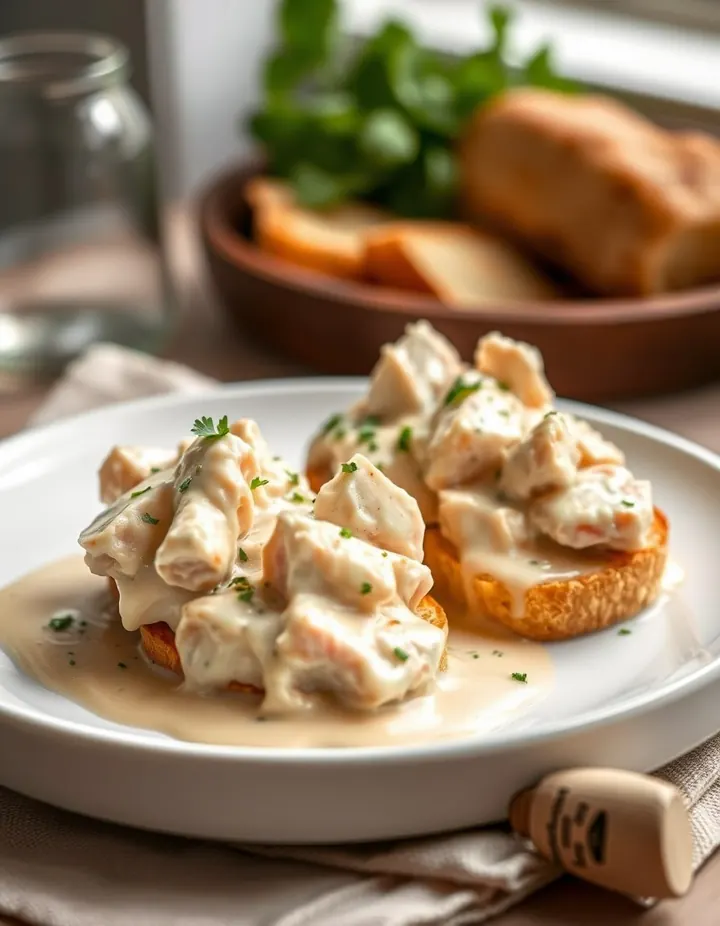 Creamed Chicken89 recipes
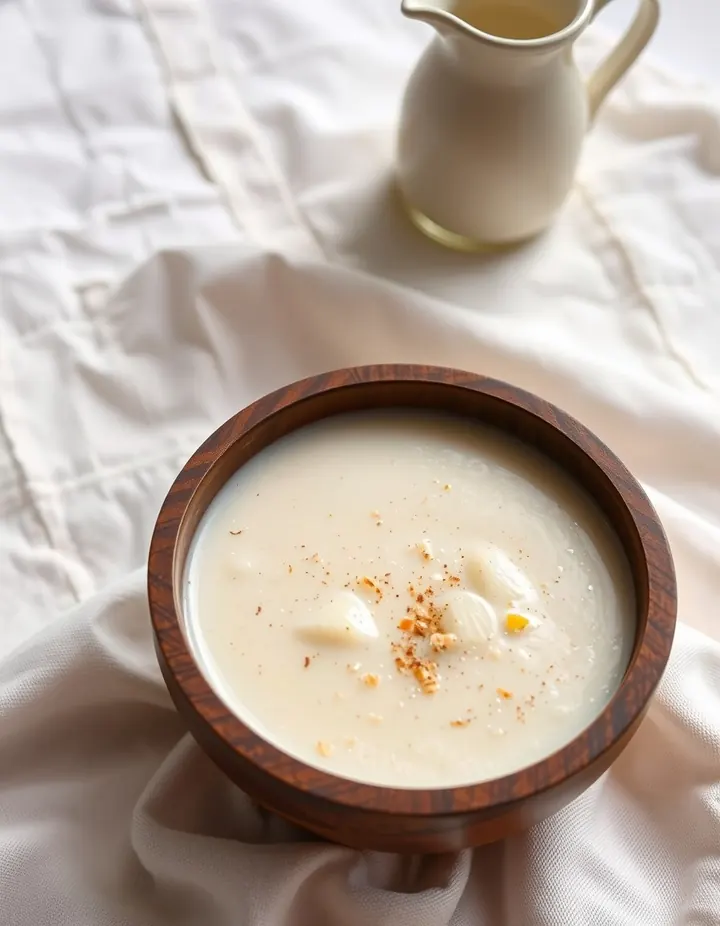 Chicken Panada75 recipes
The free Flavor Lab newsletter: one surprising pairing a week and the molecular reason it works, in 60 seconds. No spam, unsubscribe anytime.
Prefer an account? Create a free account to save pairings and unlock the full chemistry.