Why it works: Chestnut and turkey work together. They rank in the top 10% of all ingredient pairs, and cooks put them together in 136 recipes. Both carry decanal, which smells soap, orange peel. The science ↓
Chestnut Sauce
Ingredients
Directions
The book says “a hot oven”. The 400°F (200°C) in the steps is the modern equivalent, not the book's own figure.
Prepare the chestnuts
Cut a cross in the shell of the chestnuts.
Cook the chestnuts in a 400°F (200°C) oven until the shells break open.
Remove the shell and skin immediately.
Cook and mash
Cook the chestnuts in boiling salted water until very tender.
Mash the chestnuts fine using a masher or potato ricer.
Finish the sauce
Add the mashed chestnuts to the turkey gravy made from the drippings.
Transcribed from a scanned cookbook and modernised for today's kitchens. Where the book gave no heat or time, or said "a moderate oven", the temperatures and times here may be modern equivalents rather than the book's own figures.
Explore the science
The flavor team
The pairs that carry this dish. Each one is judged two ways: how much their aromas overlap, and how often cooks already put them together.
-
Chestnut + turkeytop 10% of all pairsSmell alikemoderateCooked together136 recipes
Shared aroma: decanal (soap, orange peel).
Ranks compare each pair with 20,000 random ingredient pairs on CompKitchen. How we score pairs
What each ingredient does
- Chestnuts
- Mashed, they thicken the sauce and give it a soft body and a mildly sweet, nutty flavor.
- Turkey gravy
- Supplies the savory liquid base and carries the roast turkey drippings' flavor into the sauce.
The step that matters
Remove the shell and skin while the chestnuts are hot. As chestnuts cool, their shells and inner skins become harder to remove. Leftover skin is tough and bitter, so peeling them immediately keeps the mashed sauce smooth and clean-tasting.
“What each ingredient does” and “The step that matters” were written by Claude from this recipe’s own method and reviewed in samples by CompKitchen.
You might also like
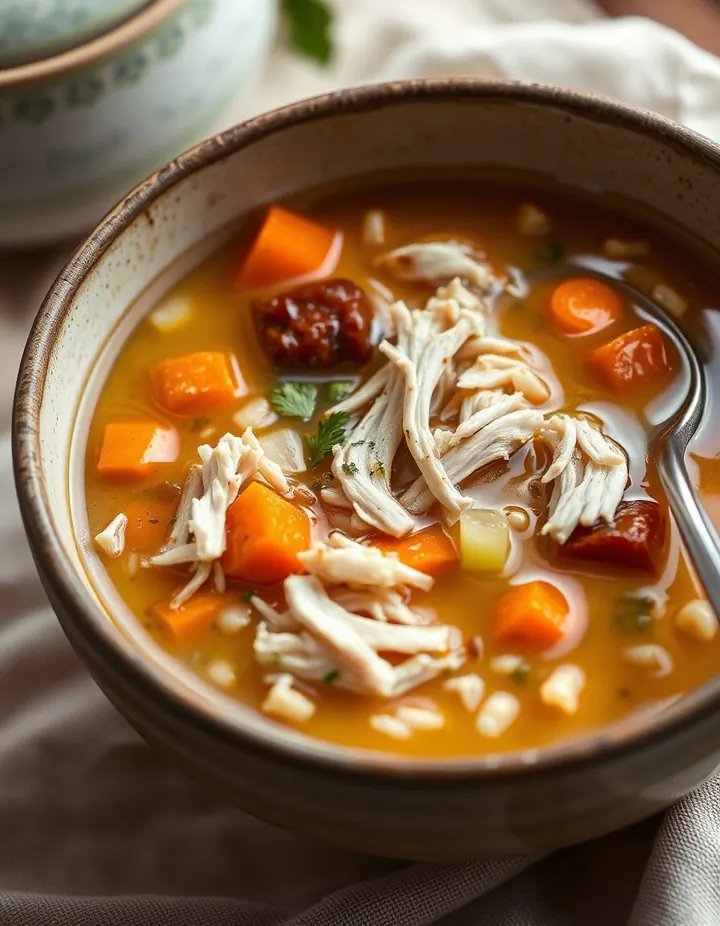 Turkey Soup71 recipes
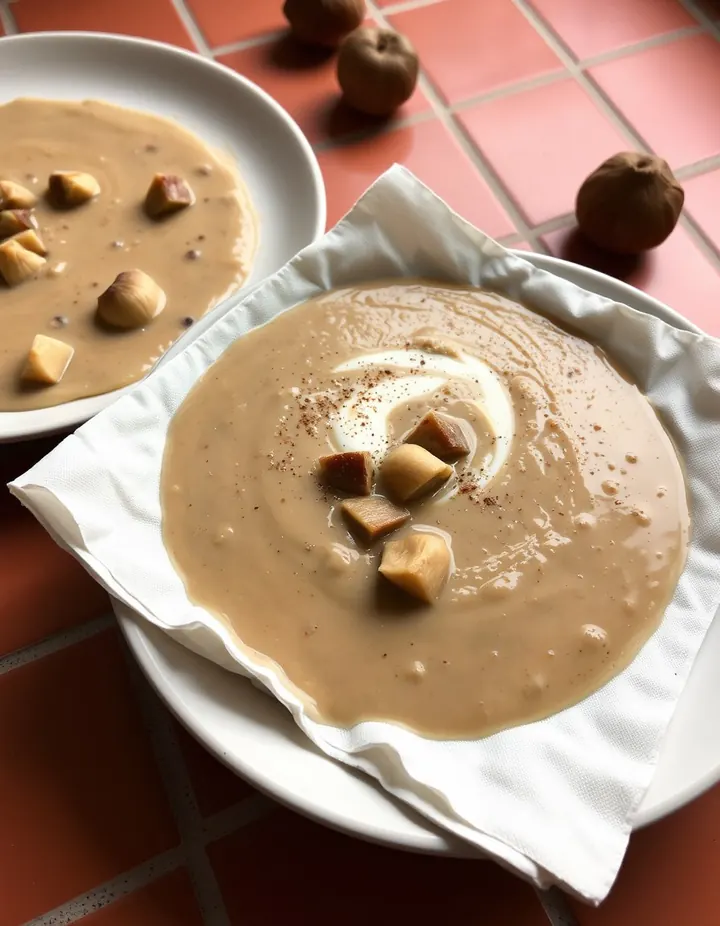 Chestnut Soup52 recipes
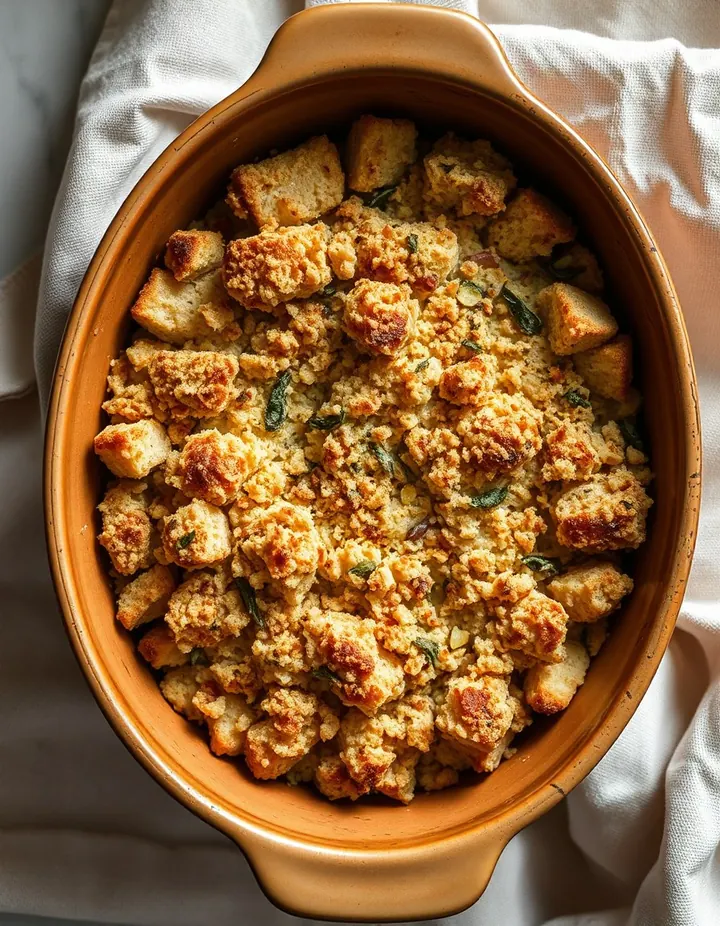 Turkey Stuffing26 recipes
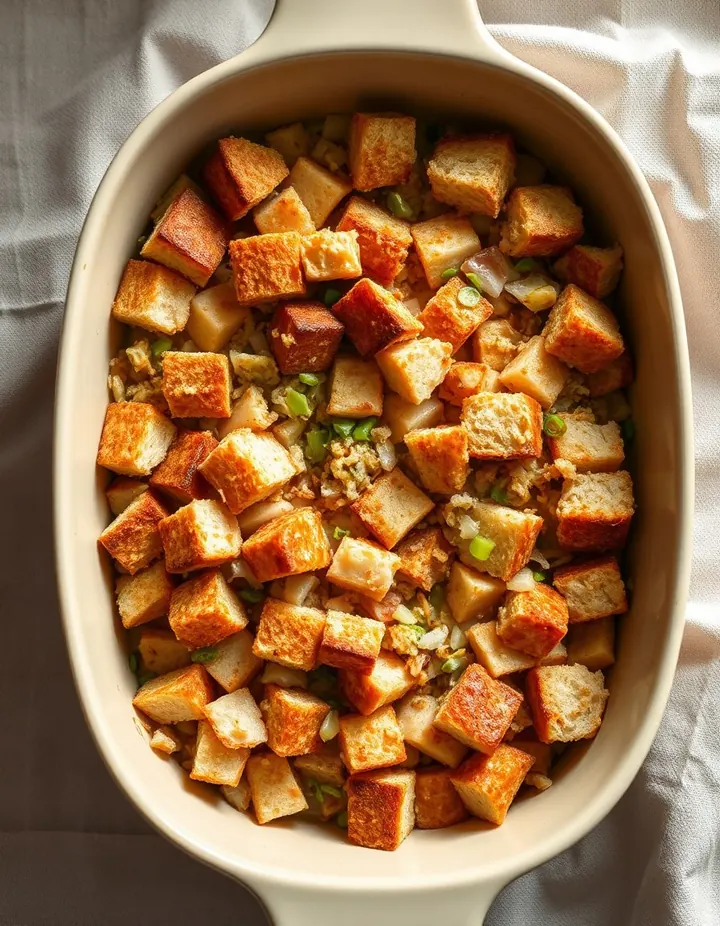 Turkey Dressing24 recipes
The free Flavor Lab newsletter: one surprising pairing a week and the molecular reason it works, in 60 seconds. No spam, unsubscribe anytime.
Prefer an account? Create a free account to save pairings and unlock the full chemistry.