Why it works: Milk and wheat are a kitchen classic. They rank in the top 6% of all ingredient pairs, and cooks put them together in 2,418 recipes. Both carry (e,z)-2,6-nonadienal, which smells cucumber, melon. The science ↓
Nut Bread Sandwiches
Ingredients
Directions
The book says “a moderate oven”. The 350°F (175°C) in the steps is the modern equivalent, not the book's own figure.
Make the dough
Combine butter, salt, and molasses in a large bowl.
Pour in the scalded milk and let it cool to lukewarm.
Add the dissolved yeast cake, white flour, whole wheat flour, and nuts. Mix well.
Turn the mixture onto a floured board and knead, adding more flour until smooth and elastic.
Return the dough to the bowl. Cover with a cloth. Let it rise until doubled in size.
Shape and bake
Turn the dough onto a lightly floured board and knead again.
Shape into a loaf and place in a greased pan, filling it halfway. Cover. Let it rise again until doubled in size.
Bake in a moderate oven at 350°F (175°C) for 50 to 60 minutes.
Slice and assemble
Once cooled, slice the nut bread thinly after 24 hours. Remove the crusts.
Spread half the slices with butter. Cover with the remaining pieces.
Cut them in halves crosswise.
Transcribed from a scanned cookbook and modernised for today's kitchens. Where the book gave no heat or time, or said "a moderate oven", the temperatures and times here may be modern equivalents rather than the book's own figures.
Explore the science
The flavor team
The pairs that carry this dish. Each one is judged two ways: how much their aromas overlap, and how often cooks already put them together.
-
Milk + wheattop 6% of all pairsSmell alikemoderateCooked together2,418 recipes
Shared aroma: (e,z)-2,6-nonadienal (cucumber, melon).
-
Milk + buttertop 7% of all pairsSmell alikemoderateCooked together81,283 recipes
Shared aroma: (z)-4-heptenal (biscuit, cream).
-
Flour + wheattop 12% of all pairsSmell alikemoderateCooked together4,373 recipes
Shared aroma: isobutyraldehyde (malty, green).
-
Butter + flourtop 12% of all pairsSmell alikelowCooked together124,287 recipes
Shared aroma: isobutyraldehyde (malty, green).
-
Butter + wheattop 14% of all pairsSmell alikemoderateCooked together2,002 recipes
Shared aroma: (z)-4-heptenal (biscuit, cream).
Butter and flour barely smell alike, yet cooks put them together in 124,287 recipes: they work on texture and structure more than aroma.
Ranks compare each pair with 20,000 random ingredient pairs on CompKitchen. How we score pairs
What each ingredient does
- White flour
- Provides the main structure as gluten forms during kneading.
- Whole wheat flour
- Adds body and a nutty, denser texture to the loaf.
- Yeast cake
- Produces carbon dioxide so the dough rises and becomes airy.
- Scalded milk
- Adds softness and richness to the crumb and helps the loaf brown.
- Molasses
- Adds sweetness, moisture, and a deeper color to the crust.
- Pecan nut meats
- Add crunch and buttery flavor throughout the bread.
The step that matters
Kneading until smooth and elastic. Kneading develops gluten strands that trap the yeast gas. Under-kneaded dough rises poorly and bakes up dense, while the flour should be added gradually so the dough does not become stiff.
“What each ingredient does” and “The step that matters” were written by Claude from this recipe’s own method and reviewed in samples by CompKitchen.
You might also like
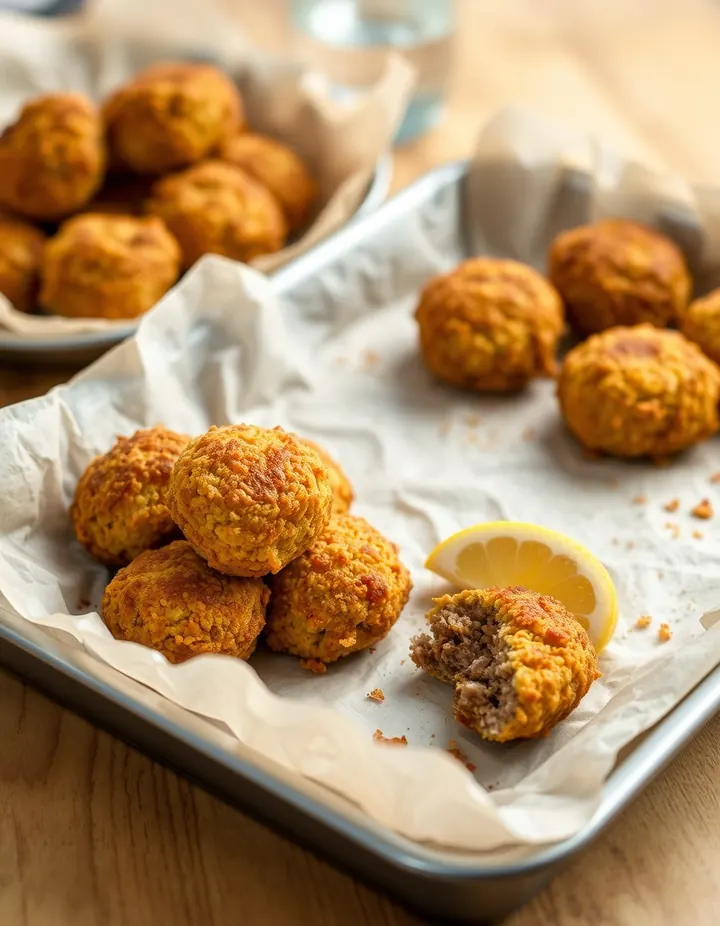 Meat Croquettes52 recipes
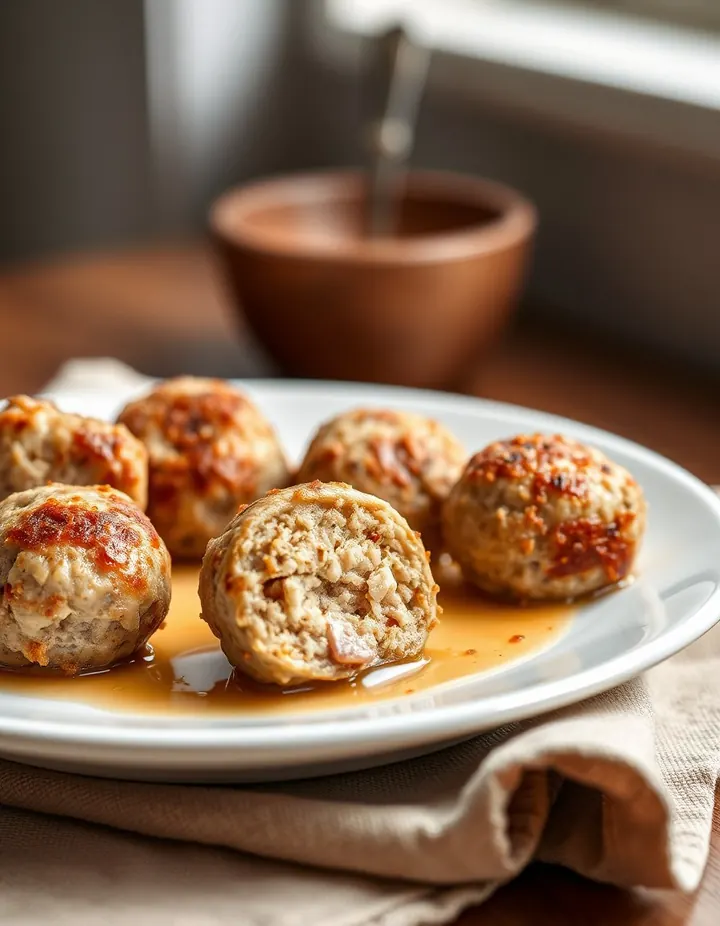 Meatballs37 recipes
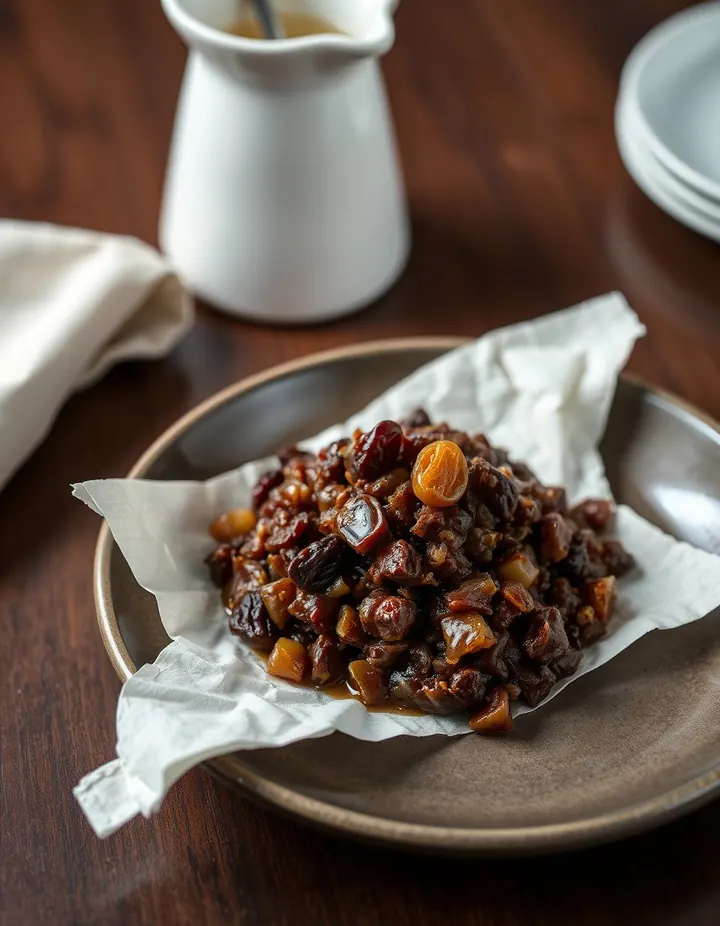 Mince Meat37 recipes
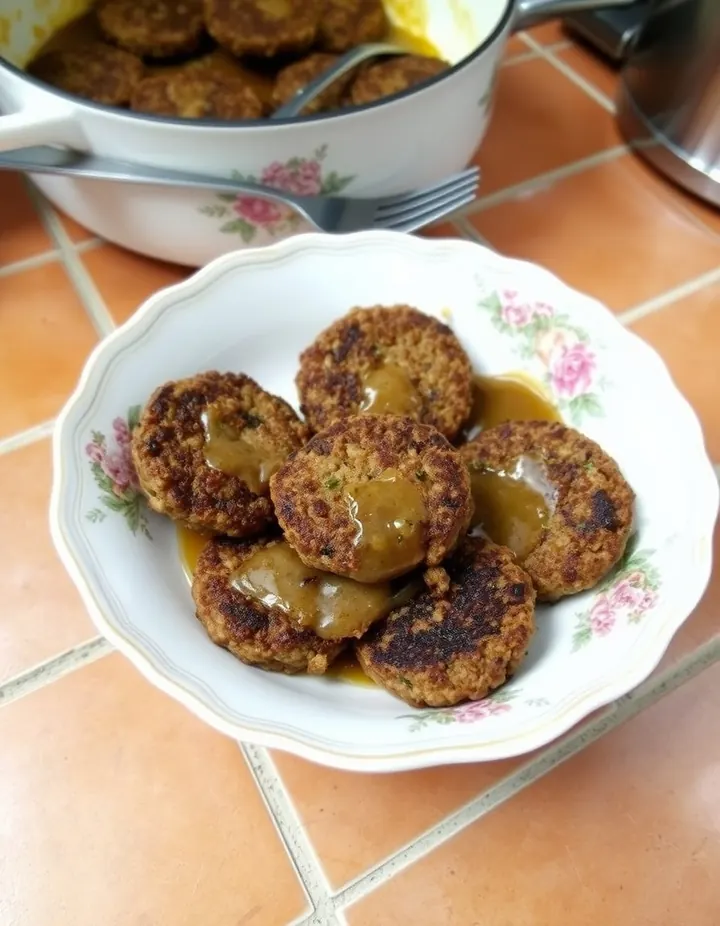 Meat Cakes35 recipes
The free Flavor Lab newsletter: one surprising pairing a week and the molecular reason it works, in 60 seconds. No spam, unsubscribe anytime.
Prefer an account? Create a free account to save pairings and unlock the full chemistry.