Why it works: Cheese and egg are a kitchen classic. They rank in the top 28% of all ingredient pairs, and cooks put them together in 6,253 recipes. Both carry 2-nonenal, which smells fatty, green. The science ↓
Pastry Ramakins
Ingredients
Directions
The book says “a brisk oven”. The 400°F (200°C) in the steps is the modern equivalent, not the book's own figure.
Prepare the dough
Gather the remains of light puff-paste and roll it out evenly.
Sprinkle the paste with grated cheese.
Fold the paste in thirds, roll it out again, and sprinkle more cheese over it.
Fold and roll out the paste again, then cut it into desired shapes with a paste cutter.
Bake and serve
For a better appearance, brush the ramakins with the yolk of an egg before baking.
Bake the ramakins in a 400°F (200°C) oven for 10 to 15 minutes.
Serve quickly on a hot napkin.
Transcribed from a scanned cookbook and modernised for today's kitchens. Where the book gave no heat or time, or said "a moderate oven", the temperatures and times here may be modern equivalents rather than the book's own figures.
Explore the science
The flavor team
The pairs that carry this dish. Each one is judged two ways: how much their aromas overlap, and how often cooks already put them together.
-
Cheese + eggtop 28% of all pairsSmell alikemoderateCooked together6,253 recipes
Shared aroma: 2-nonenal (fatty, green).
Ranks compare each pair with 20,000 random ingredient pairs on CompKitchen. How we score pairs
What each ingredient does
- Light puff-paste
- Its many thin layers of fat and dough puff up in the oven, giving a flaky texture.
- Grated cheese
- Melts and browns during baking, adding savoury flavour and golden colour between the layers.
- Egg yolk
- Brushed on before baking, it browns the surface and gives the ramakins a glossy finish.
The step that matters
Brushing with yolk and baking promptly. Egg yolk browns and glazes the surface only if applied evenly before baking. Puff pastry depends on cold fat creating steam in the oven, so the pastry should be kept cool and baked soon after shaping, while the layers are still distinct.
“What each ingredient does” and “The step that matters” were written by Claude from this recipe’s own method and reviewed in samples by CompKitchen.
You might also like
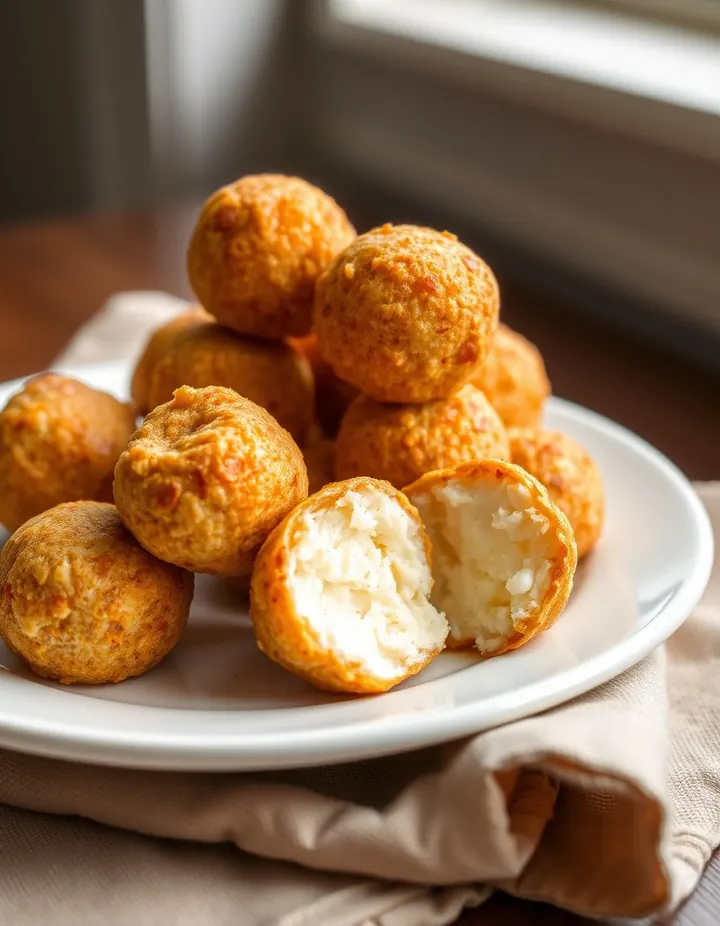 Cheese Balls97 recipes
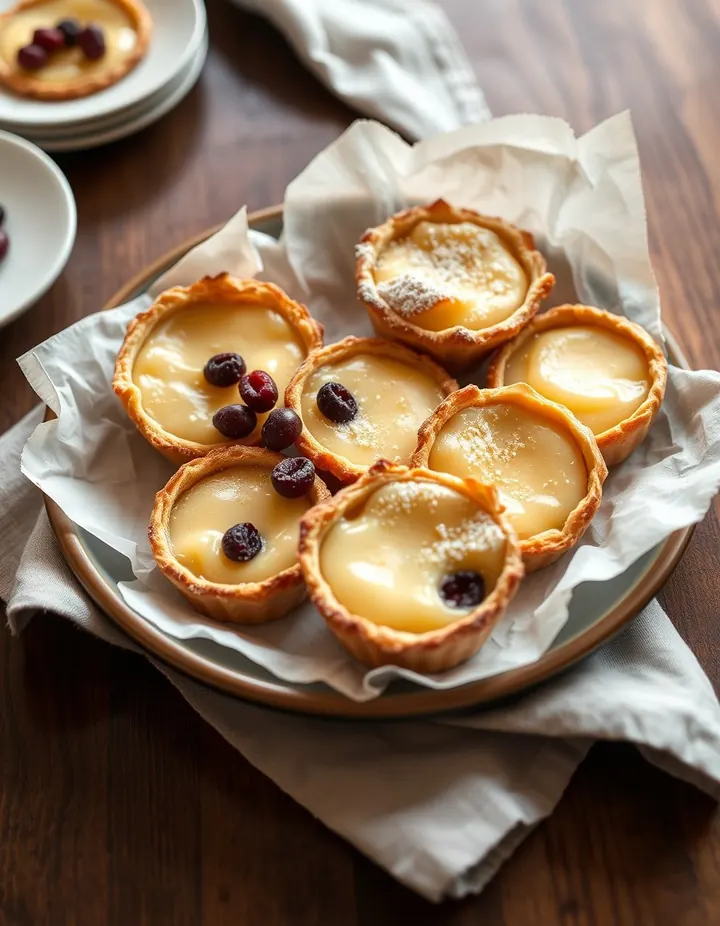 Cheese Cake55 recipes
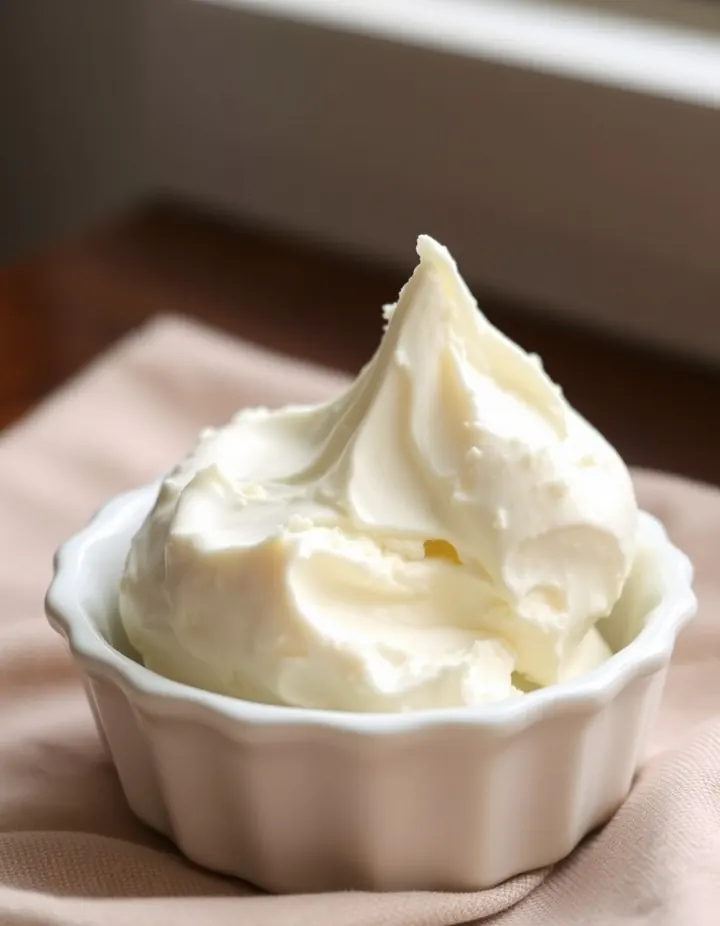 Cream Cheese46 recipes
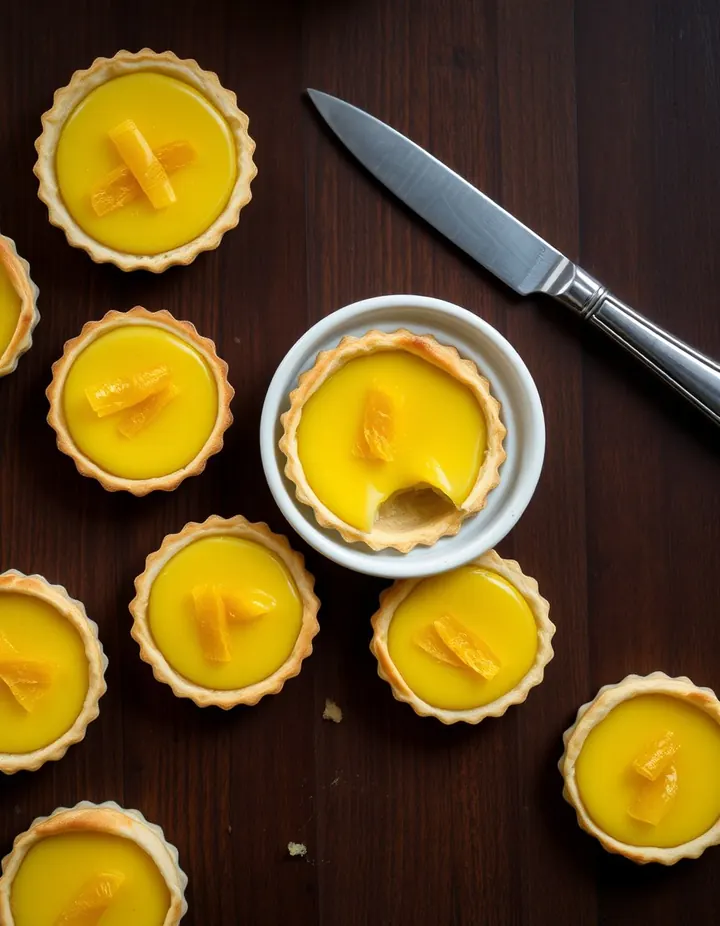 Lemon Pie37 recipes
The free Flavor Lab newsletter: one surprising pairing a week and the molecular reason it works, in 60 seconds. No spam, unsubscribe anytime.
Prefer an account? Create a free account to save pairings and unlock the full chemistry.