Why it works: Beans and pork are a kitchen classic. They rank in the top 11% of all ingredient pairs, and cooks put them together in 2,000 recipes. Both carry 2-isopropyl-3-methoxypyrazine, which smells earthy, pea. The science ↓
Boston Pork and Beans
Ingredients
Directions
The book gives no oven temperature. The 350°F (175°C) in the steps was added when the recipe was transcribed, as a starting point.
Prepare the beans
Pick over the beans and soak them overnight in cold water.
Wash the beans.
Drain the beans.
Boil the beans in plenty of cold water with baking soda until the skins crack, about 15 minutes.
Drain the beans again.
Bake
Place the beans in an earthen pot.
Add salt to the pot.
Cover the beans with hot water.
Scald the salt pork with hot water.
Score the rind of the salt pork.
Place the salt pork in the center of the beans.
Bake in a 350°F (175°C) oven for six hours, adding hot water as needed to keep the beans moist.
Remove the pork when it becomes crisp and looks cooked.
Transcribed from a scanned cookbook and modernised for today's kitchens. Where the book gave no heat or time, or said "a moderate oven", the temperatures and times here may be modern equivalents rather than the book's own figures.
Explore the science
The flavor team
The pairs that carry this dish. Each one is judged two ways: how much their aromas overlap, and how often cooks already put them together.
-
Beans + porktop 11% of all pairsSmell alikemoderateCooked together2,000 recipes
Shared aroma: 2-isopropyl-3-methoxypyrazine (earthy, pea).
Ranks compare each pair with 20,000 random ingredient pairs on CompKitchen. How we score pairs
What each ingredient does
- Small white beans
- Form the body of the dish, becoming tender and creamy during the long slow bake.
- Baking soda
- Raises the pot's alkalinity so the bean skins crack and soften during the initial boil.
- Salt pork
- Adds fat and savory flavor as it renders into the beans, and its crisped rind browns the top.
The step that matters
Keeping the beans moist during the long bake. Beans absorb water as they cook, and if the liquid drops they can dry out and scorch. Adding hot water as needed keeps them tender and evenly cooked over six hours.
“What each ingredient does” and “The step that matters” were written by Claude from this recipe’s own method and reviewed in samples by CompKitchen.
You might also like
 Pork Cake107 recipes
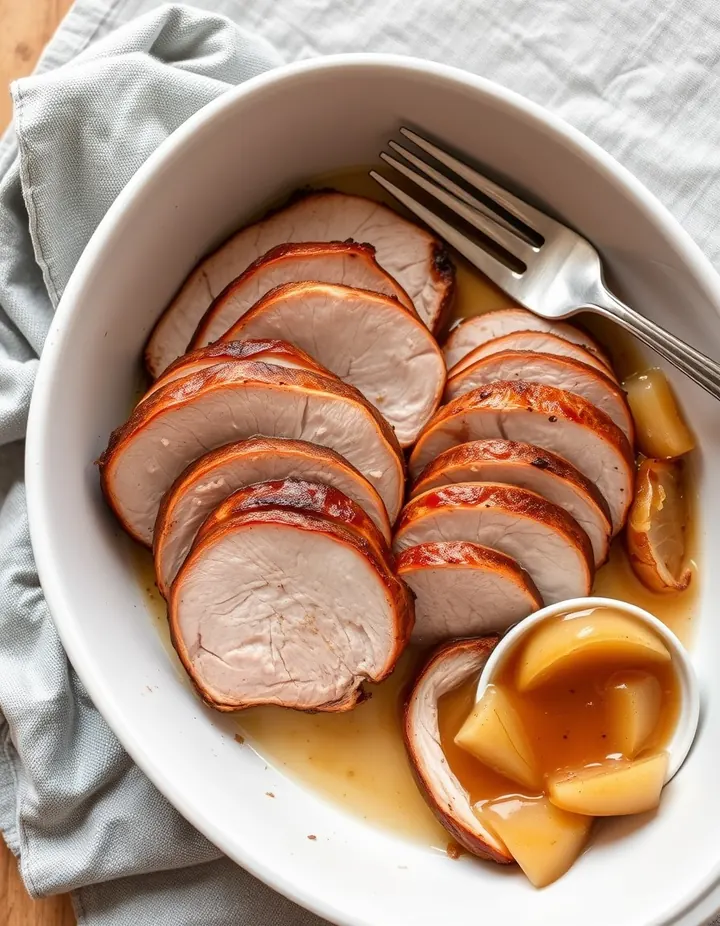 Roast Pork82 recipes
 German Style String Beans7 recipes
 Tomato Soup526 recipes
The free Flavor Lab newsletter: one surprising pairing a week and the molecular reason it works, in 60 seconds. No spam, unsubscribe anytime.
Prefer an account? Create a free account to save pairings and unlock the full chemistry.