Why it works: Horseradish and mustard match in chemistry and in kitchens. They rank in the top 1% of all ingredient pairs, and cooks put them together in 1,832 recipes. Both carry coumarin, which smells sweet, hay. The science ↓
Pickled Mangoes
Ingredients
Directions
Brine the mangoes
Wash the mangoes.
Rub them until smooth.
Cut a piece out of the side of each mango.
Remove all the seeds.
Replace the piece.
Tie it closely with thread.
Make a brine with salt and water strong enough to float an egg.
Submerge the mangoes in the brine.
Cover them.
Weigh them down to keep them under the liquid.
Let them sit for 9 to 10 days.
Wash them in clear water.
Simmer and dry
Line the bottom of a kettle with leaves.
Place the mangoes inside.
Cover with water and cabbage leaves.
Heat over a slow fire.
Keep the water scalding hot without simmering.
Once the mangoes turn a fine green, remove them.
Dry them.
Fill and pickle
Mix together horseradish, mustard seed, cloves, allspice, coriander seed, and garlic.
Fill the mangoes with this mixture.
Re-tie the piece.
Place them in jars cut side up.
Pour enough vinegar over the mangoes to cover them.
Add sugar if desired.
Tie them closely.
Transcribed from a scanned cookbook and modernised for today's kitchens. Where the book gave no heat or time, or said "a moderate oven", the temperatures and times here may be modern equivalents rather than the book's own figures.
Explore the science
The flavor team
The pairs that carry this dish. Each one is judged two ways: how much their aromas overlap, and how often cooks already put them together.
-
Horseradish + mustardtop 1% of all pairsSmell alikestrongCooked together1,832 recipes
Shared aroma: coumarin (sweet, hay).
-
Clove + allspicetop 1% of all pairsSmell alikestrongCooked together7,874 recipes
Shared aroma: estragole (anise, licorice).
-
Cabbage + horseradishtop 2% of all pairsSmell alikestrongCooked together481 recipes
Shared aroma: coumarin (sweet, hay).
-
Mustard + allspicetop 2% of all pairsSmell alikestrongCooked together1,928 recipes
Shared aroma: methyleugenol (clove, spice).
-
Cabbage + mustardtop 3% of all pairsSmell alikestrongCooked together1,645 recipes
Shared aroma: 2-isopropyl-3-methoxypyrazine (earthy, pea).
Ranks compare each pair with 20,000 random ingredient pairs on CompKitchen. How we score pairs
What each ingredient does
- Mangoes
- Main fruit that softens and absorbs the brine and spiced vinegar flavour.
- Salt
- Draws water out of the mangoes and seasons them during the brine stage.
- Vinegar
- Acid that preserves the mangoes and gives the pickle its sharp, tangy flavour.
- Mustard seed
- Adds pungent, sharp flavour that deepens as the pickle sits.
- Garlic
- Contributes pungent aroma and savoury depth to the filling.
- Sugar
- Adds sweetness that balances the sharpness of the vinegar.
The step that matters
Keeping the water scalding hot without simmering. Gentle heat softens the mangoes and turns the skin green without breaking them apart. A rolling boil can split the fruit and make it mushy, while water that is too cool will not soften it enough.
Swap the mango
How well each one fits the dish's main ingredients (cabbage, horseradish, mustard, clove, allspice, coriander, garlic):
- Limefits better
- Avocadofits better
- Lemonfits better
- Mangothe original
Fit is the average pairing score against cabbage, horseradish, mustard, clove, allspice, coriander, garlic. Candidates are from the same food group and used in at least 100 recipes.
“What each ingredient does” and “The step that matters” were written by Claude from this recipe’s own method and reviewed in samples by CompKitchen.
You might also like
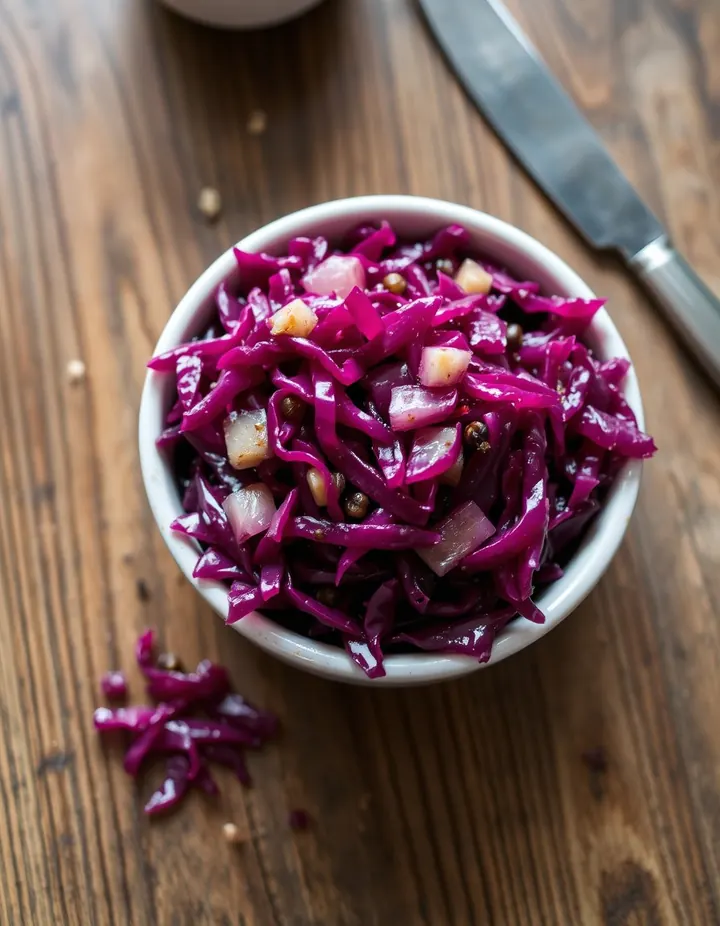 Red Cabbage65 recipes
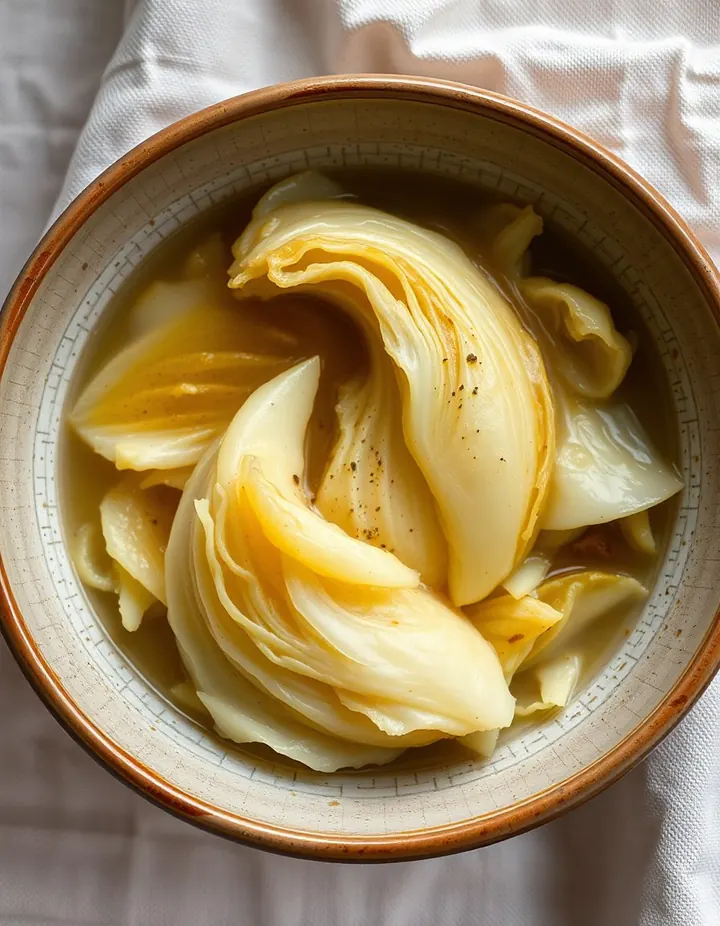 Stewed Cabbage58 recipes
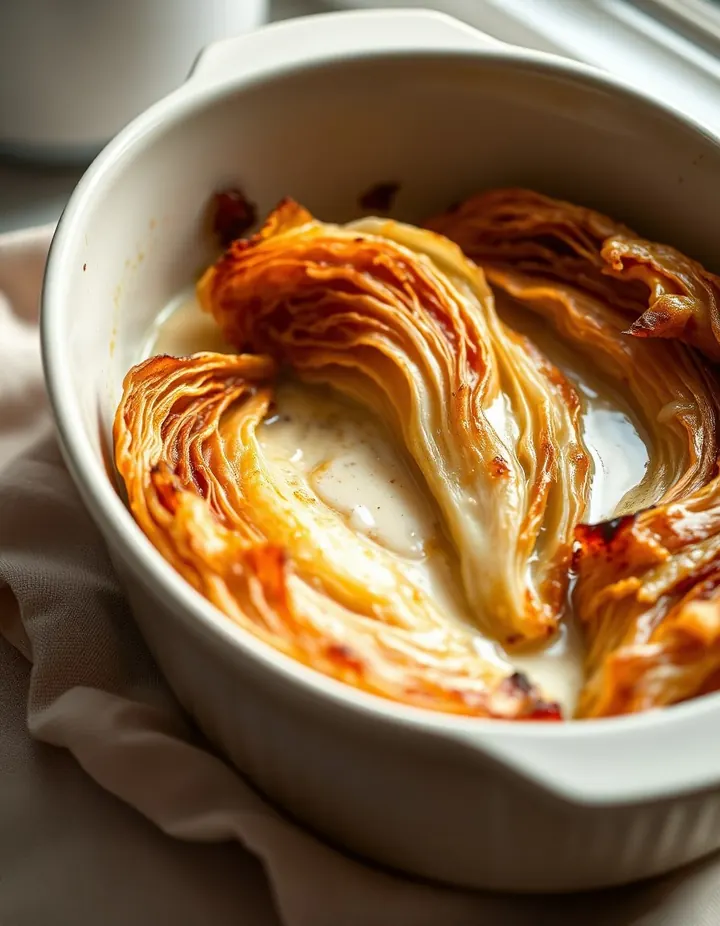 Baked Cabbage51 recipes
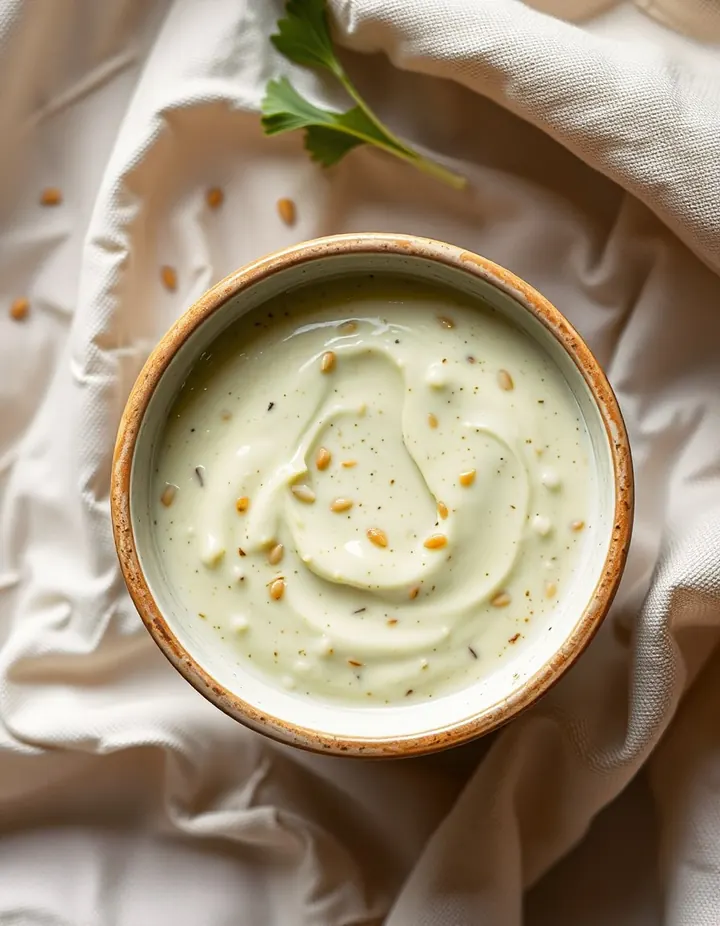 Cabbage Dressing19 recipes
The free Flavor Lab newsletter: one surprising pairing a week and the molecular reason it works, in 60 seconds. No spam, unsubscribe anytime.
Prefer an account? Create a free account to save pairings and unlock the full chemistry.