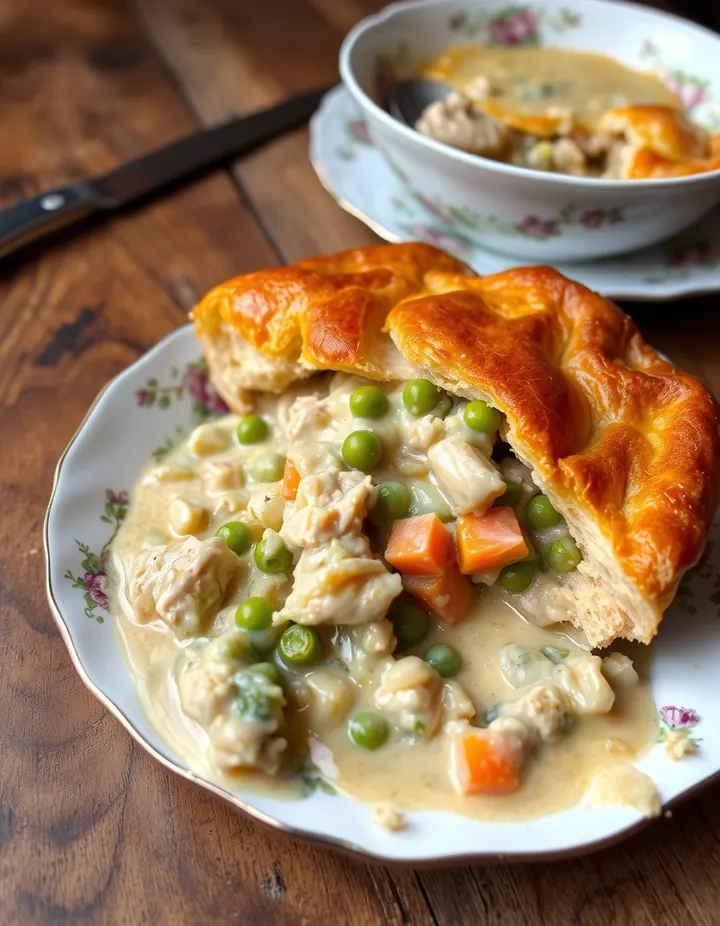
Why it works: Chicken and potato are a kitchen classic. They rank in the top 7% of all ingredient pairs, and cooks put them together in 2,756 recipes. Both carry (z)-4-decenal, which smells green, must. The science ↓
Chicken Pot Pie
Ingredients
Directions
The book says “a quick oven”. The 400°F (200°C) in the steps is the modern equivalent, not the book's own figure.
Prepare the filling
Singe, open, and cut the chickens into pieces, separating all joints.
Wash the chicken pieces thoroughly.
Peel and dice the potatoes.
Season the potatoes with salt and black pepper.
Dredge the potatoes in flour and mix well.
Assemble and cook
Line the sides of a medium-sized stew kettle with paste made from 2 pounds of flour and 1 pound of butter.
Add the chicken and potatoes to the kettle, covering them with enough water.
Roll out additional paste for the cover and seal it to the sides of the kettle.
Cut a small opening in the center of the cover.
Cook over a clear fire or in a 400°F (200°C) oven for 2 hours, turning occasionally for even browning.
Serve
Once cooked, cut the top crust into pieces and arrange them around a large dish.
Use a skimmer to place the chicken and potatoes in the center of the dish.
Lay the side crust over the top and serve the gravy in a sauce-tureen.
Transcribed from a scanned cookbook and modernised for today's kitchens. Where the book gave no heat or time, or said "a moderate oven", the temperatures and times here may be modern equivalents rather than the book's own figures.
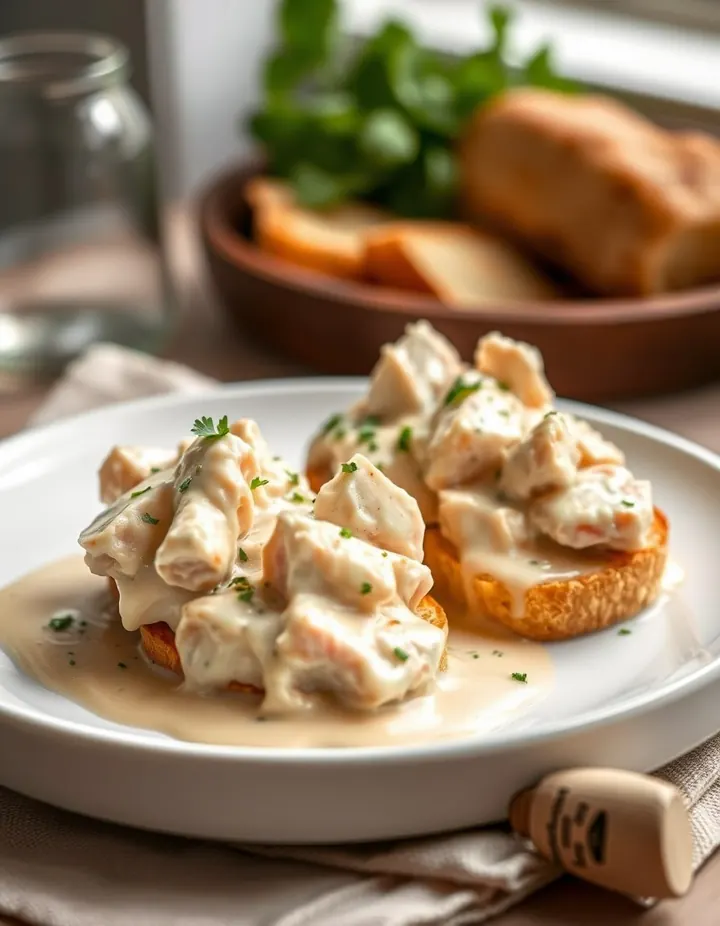
Photo for illustrative purposes only · Contact us to use it
Explore the science
The flavor team
The pairs that carry this dish. Each one is judged two ways: how much their aromas overlap, and how often cooks already put them together.
-
Chicken + potatotop 7% of all pairsSmell alikemoderateCooked together2,756 recipes
Shared aroma: (z)-4-decenal (green, must).
-
Potato + peppertop 9% of all pairsSmell alikemoderateCooked together8,305 recipes
Shared aroma: 2-isopropyl-3-methoxypyrazine (earthy, pea).
-
Flour + buttertop 12% of all pairsSmell alikelowCooked together124,287 recipes
Shared aroma: isobutyraldehyde (malty, green).
-
Potato + buttertop 13% of all pairsSmell alikemoderateCooked together6,456 recipes
Shared aroma: (z)-4-heptenal (biscuit, cream).
-
Potato + flourtop 15% of all pairsSmell alikemoderateCooked together5,355 recipes
Shared aroma: isobutyraldehyde (malty, green).
Flour and butter barely smell alike, yet cooks put them together in 124,287 recipes: they work on texture and structure more than aroma.
Ranks compare each pair with 20,000 random ingredient pairs on CompKitchen. How we score pairs
What each ingredient does
- Chickens
- Provides the main meat and, as it cooks in water, the body of the gravy.
- Potatoes
- Soften during the long simmer and thicken the filling while adding starch and body.
- Flour
- Dredging coats the potatoes and helps thicken the gravy; the paste forms the structural crust.
- Butter
- Adds richness and fat to the crust paste, making it tender and flavorful.
The step that matters
Sealing the cover and cooking for 2 hours. The sealed crust traps steam so the chicken cooks gently in its own liquid. A gentle simmer keeps the meat tender, while the small vent lets excess pressure escape without drying the filling.
Swap the potato
How well each one fits the dish's main ingredients (chicken, flour, butter, pepper):
- Capsicumfits about as well
- Potatothe original
- Leekfits about as well
- Spinachfits less well
Fit is the average pairing score against chicken, flour, butter, pepper. Candidates are from the same food group and used in at least 100 recipes.
“What each ingredient does” and “The step that matters” were written by Claude from this recipe’s own method and reviewed in samples by CompKitchen.
You might also like
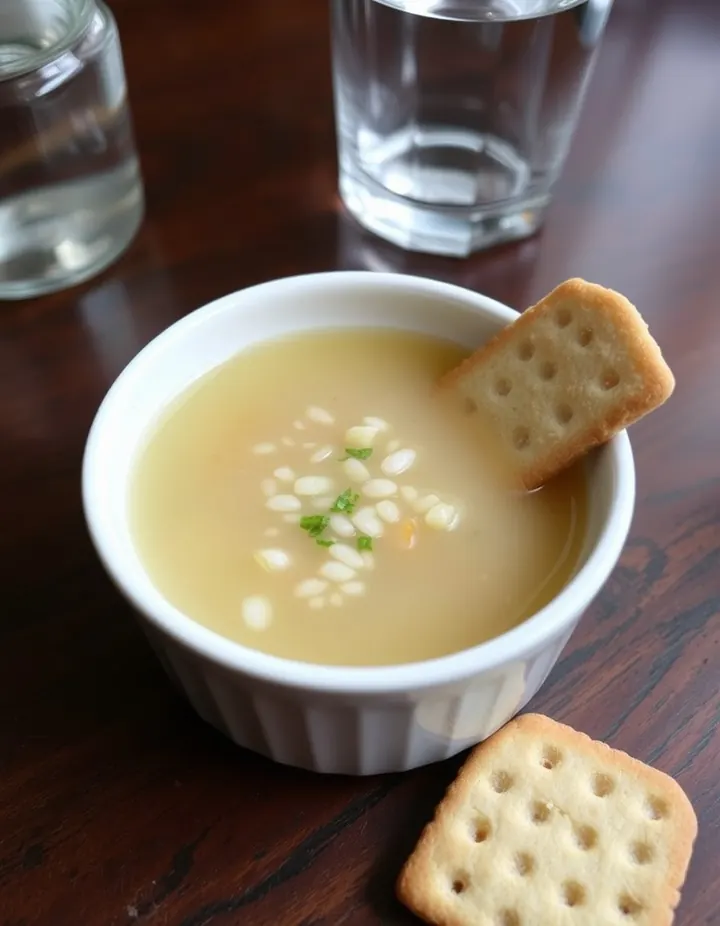 Chicken Broth257 recipes
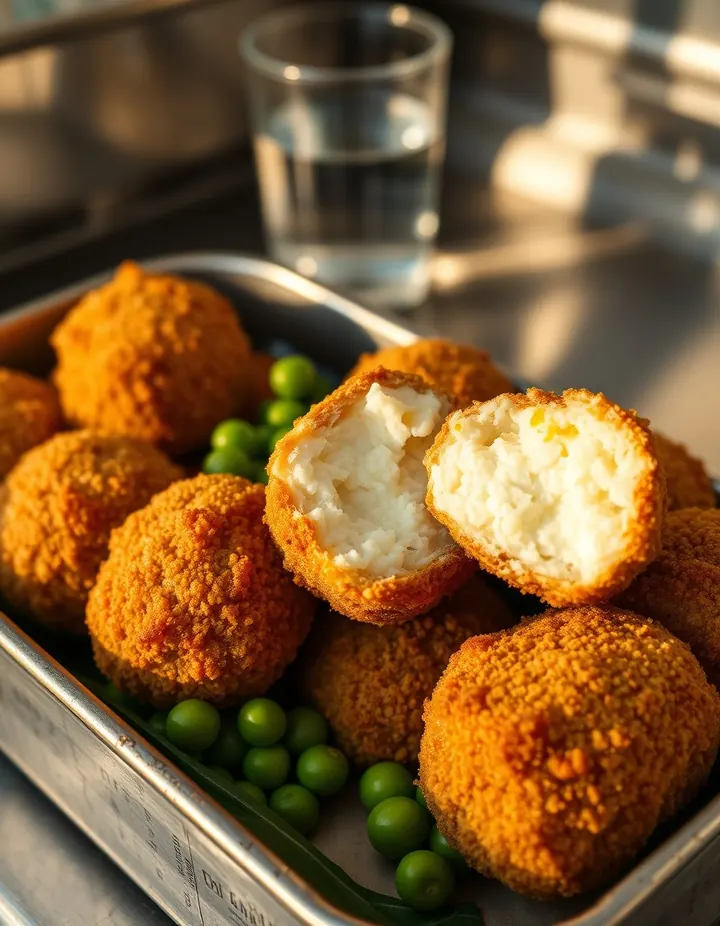 Potato Croquettes255 recipes
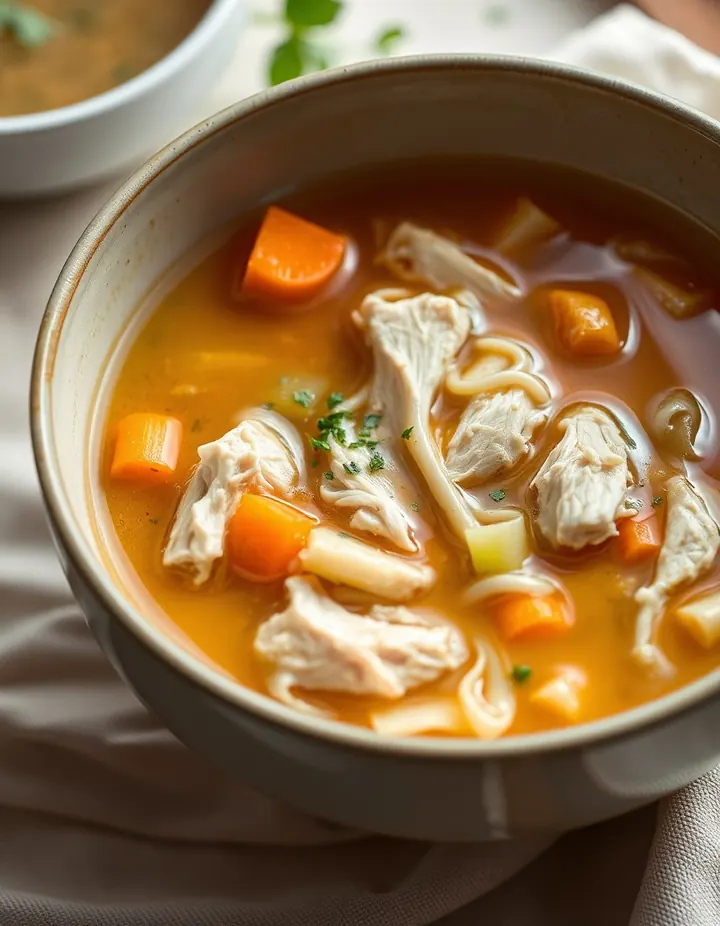 Chicken Soup156 recipes
 Creamed Chicken89 recipes
The free Flavor Lab newsletter: one surprising pairing a week and the molecular reason it works, in 60 seconds. No spam, unsubscribe anytime.
Prefer an account? Create a free account to save pairings and unlock the full chemistry.