Why it works: Mutton and cream work together. They rank in the top 22% of all ingredient pairs, and cooks put them together in 550 recipes. Both carry delta-decalactone, which smells sweet, creamy. The science ↓
To Preserve Eggs
Ingredients
Directions
Prepare the eggs
Store eggs in a jar of salt or lime water with the small end downwards.
Grease eggs well with melted mutton suet and place them in a bin of bran, small end downwards.
Make the preserving liquid
Mix a gallon of boiling water with two quarts of quick lime and half a pound of salt.
Once cooled, add an ounce of cream of tartar and stir well.
Submerge the eggs in the mixture, ensuring they are fully covered.
Transcribed from a scanned cookbook and modernised for today's kitchens. Where the book gave no heat or time, or said "a moderate oven", the temperatures and times here may be modern equivalents rather than the book's own figures.
Explore the science
The flavor team
The pairs that carry this dish. Each one is judged two ways: how much their aromas overlap, and how often cooks already put them together.
-
Mutton + creamtop 22% of all pairsSmell alikelowCooked together550 recipes
Shared aroma: delta-decalactone (sweet, creamy).
-
Egg + creamtop 24% of all pairsSmell alikelowCooked together42,166 recipes
Shared aroma: acetic acid (sour, vinegar).
-
Egg + muttontop 26% of all pairsSmell alikemoderateCooked together1,648 recipes
Shared aroma: 2-nonenal (fatty, green).
-
Lime + creamtop 31% of all pairsSmell alikelowCooked together740 recipes
Shared aroma: octanal (fat, soap).
-
Mutton + limetop 34% of all pairsSmell alikelowCooked together99 recipes
Shared aroma: linalool (floral, citrus).
Egg and cream barely smell alike, yet cooks put them together in 42,166 recipes: they work on texture and structure more than aroma.
Ranks compare each pair with 20,000 random ingredient pairs on CompKitchen. How we score pairs
What each ingredient does
- Eggs
- The main food being preserved; their shell and membranes let the preserving mixture work slowly through them.
- Quick lime
- Makes the liquid strongly alkaline, which slowly sets the egg white and yolk during preservation.
- Salt
- Draws out moisture and helps preserve the eggs while the mixture works.
- Cream of tartar
- Adds acidity to the preserving liquid, adjusting its chemistry as it is made.
- Melted mutton suet
- Forms a fat coating on the shells that helps seal them against air and moisture.
The step that matters
Submerge the eggs fully in the mixture. Any egg left above the liquid can spoil, because air exposure lets bacteria and mould grow. Full coverage keeps every egg protected while it cures.
Swap the lime
How well each one fits the dish's main ingredients (egg, mutton, cream):
- Raspberryfits better
- Strawberryfits better
- Coconutfits better
- Limethe original
Fit is the average pairing score against egg, mutton, cream. Candidates are from the same food group and used in at least 100 recipes.
“What each ingredient does” and “The step that matters” were written by Claude from this recipe’s own method and reviewed in samples by CompKitchen.
More preserved eggs recipes
You might also like
 Mutton Broth292 recipes
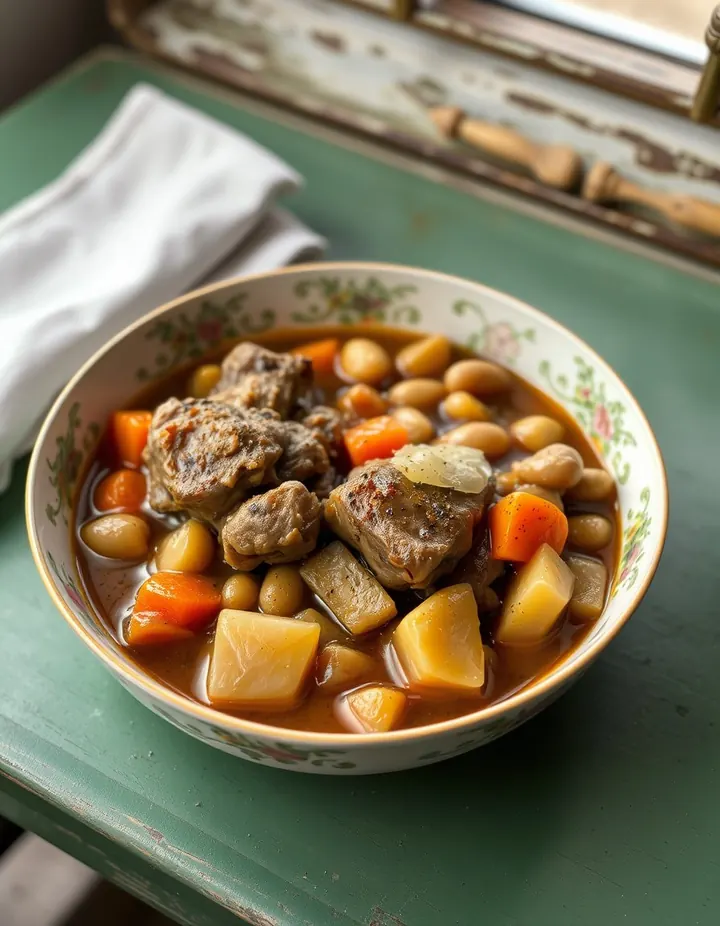 Haricot Mutton59 recipes
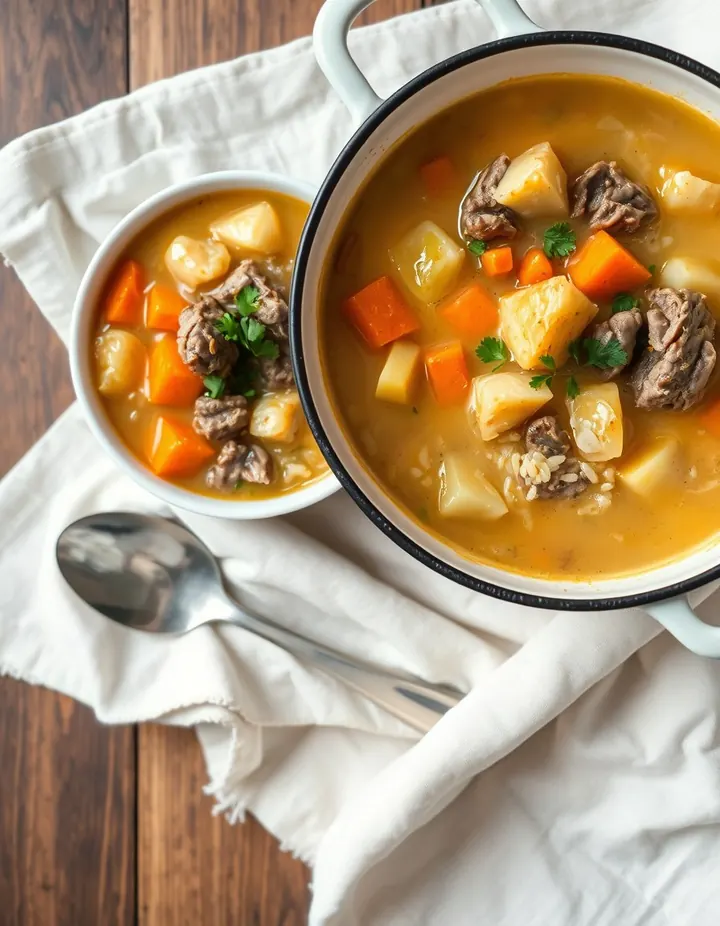 Mutton Soup56 recipes
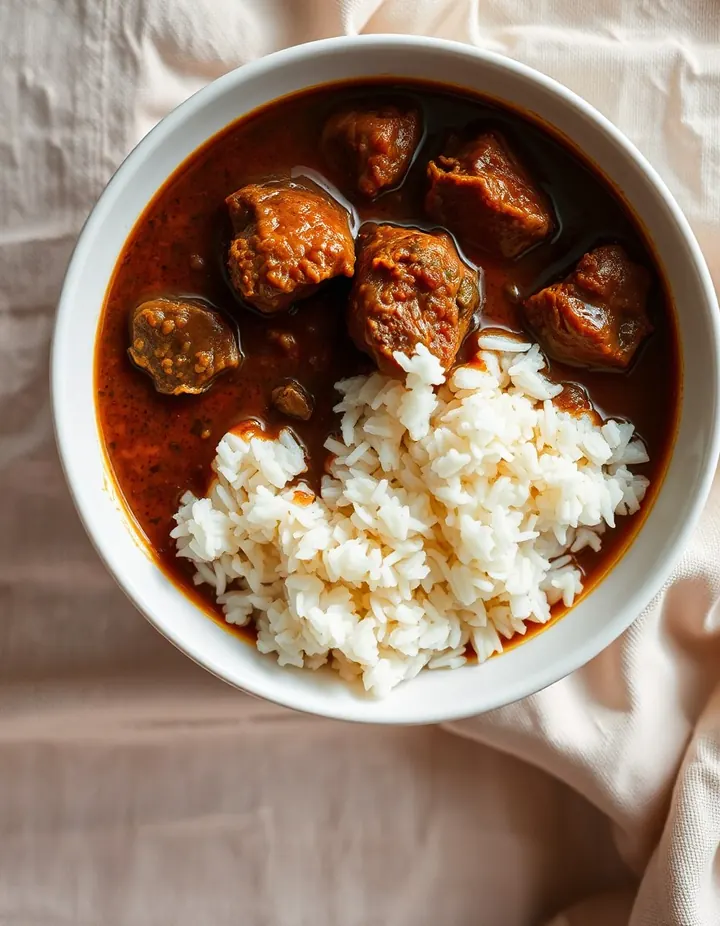 Curried Mutton9 recipes
The free Flavor Lab newsletter: one surprising pairing a week and the molecular reason it works, in 60 seconds. No spam, unsubscribe anytime.
Prefer an account? Create a free account to save pairings and unlock the full chemistry.