Why it works: Pheasant and pork work together. They rank in the top 8% of all ingredient pairs, and cooks put them together in 240 recipes. Both carry decanal, which smells soap, orange peel. The science ↓
Timbale Op Pheasants with Truffles
Ingredients
Directions
The book says “a slack oven”. The 300°F (150°C) in the steps is the modern equivalent, not the book's own figure.
Prepare the forcemeat
Remove the meat from the breast of the pheasants.
Chop the fleshy part of the legs with one fillet and carcass parings.
Mix the chopped meat with fat pork, raw truffles, and foie gras; pound well and pass through a sieve.
Cut the remaining breast meat into large squares.
Mix the squares with cut‑up foie gras; season and add a few spoonfuls of Madeira wine.
Refrigerate the mixture for 2 hours.
Assemble the timbale
Butter a large dome‑shaped mold.
Line the mold with cold pie paste.
Fill the mold with the forcemeat and the contents of the vessel.
Cover with a thick layer of forcemeat.
Place several slices of fat pork on top.
Seal the mold with a flat piece of paste and make a small opening in the center.
Place the timbale on a baking sheet.
Bake, finish and serve
Bake in a 300°F (150°C) oven for about 1.5 hours.
Let the timbale rest for 15 minutes.
Pour 2 or 3 cups of brown chaudfroid sauce mixed with pheasant fumet and Madeira into the hole.
Cool for 24 hours before unmolding.
Invert the timbale onto a plate.
Remove the mold.
Cut into even slices.
Transcribed from a scanned cookbook and modernised for today's kitchens. Where the book gave no heat or time, or said "a moderate oven", the temperatures and times here may be modern equivalents rather than the book's own figures.
Explore the science
The flavor team
The pairs that carry this dish. Each one is judged two ways: how much their aromas overlap, and how often cooks already put them together.
-
Pheasant + porktop 8% of all pairsSmell alikemoderateCooked together240 recipes
Shared aroma: decanal (soap, orange peel).
-
Pork + truffletop 11% of all pairsSmell alikemoderateCooked together1,380 recipes
Shared aroma: 3-ethylphenol (must).
-
Truffle + buttertop 11% of all pairsSmell alikemoderateCooked together2,209 recipes
Shared aroma: nonanal (fat, citrus).
-
Pork + buttertop 13% of all pairsSmell alikemoderateCooked together13,933 recipes
Shared aroma: 2-furfurylthiol (coffee, roasted).
-
Truffle + madeira winetop 13% of all pairsSmell alikelowCooked together195 recipes
Ranks compare each pair with 20,000 random ingredient pairs on CompKitchen. How we score pairs
What each ingredient does
- Pheasant
- Supplies the lean meat that forms the body of the forcemeat and the slices.
- Fat pork
- Adds fat that keeps the forcemeat moist and tender as it cooks.
- Foies-gras
- Enriches the forcemeat with fat, giving a soft, rich texture.
- Raw truffles
- Contributes a strong earthy aroma to the forcemeat.
- Cold pie paste
- Forms the sealed crust that holds the forcemeat in shape while baking.
- Madeira wine
- Adds aromatic sweetness and depth to the forcemeat and the sauce.
The step that matters
Cool for 24 hours before unmolding. Cooling lets the forcemeat and the gelled sauce set firmly, so the timbale holds its shape when inverted and sliced cleanly.
“What each ingredient does” and “The step that matters” were written by Claude from this recipe’s own method and reviewed in samples by CompKitchen.
You might also like
 Pork Cake107 recipes
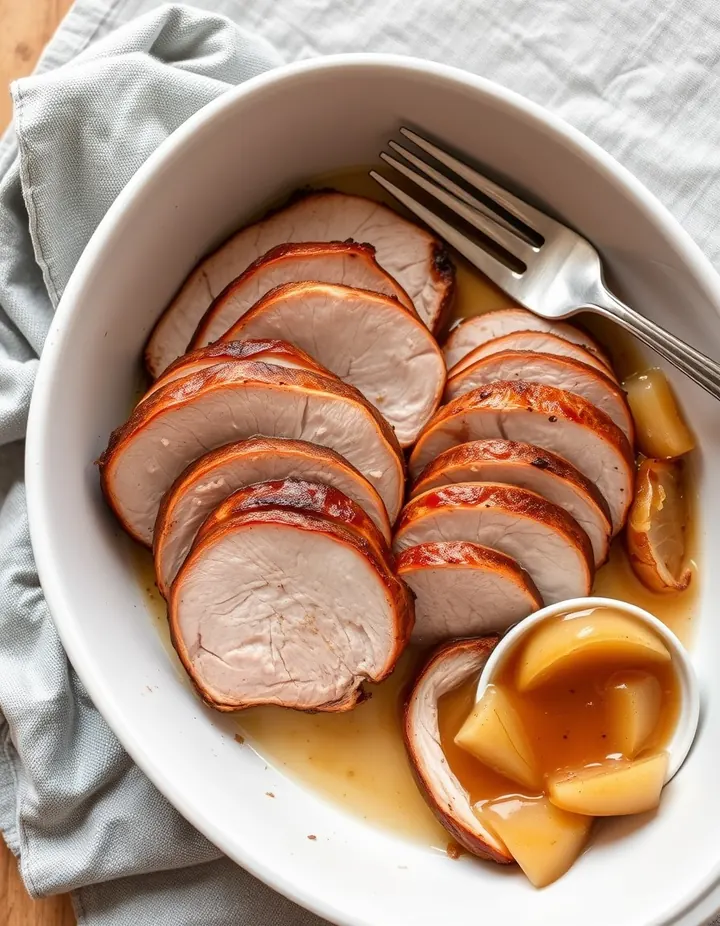 Roast Pork82 recipes
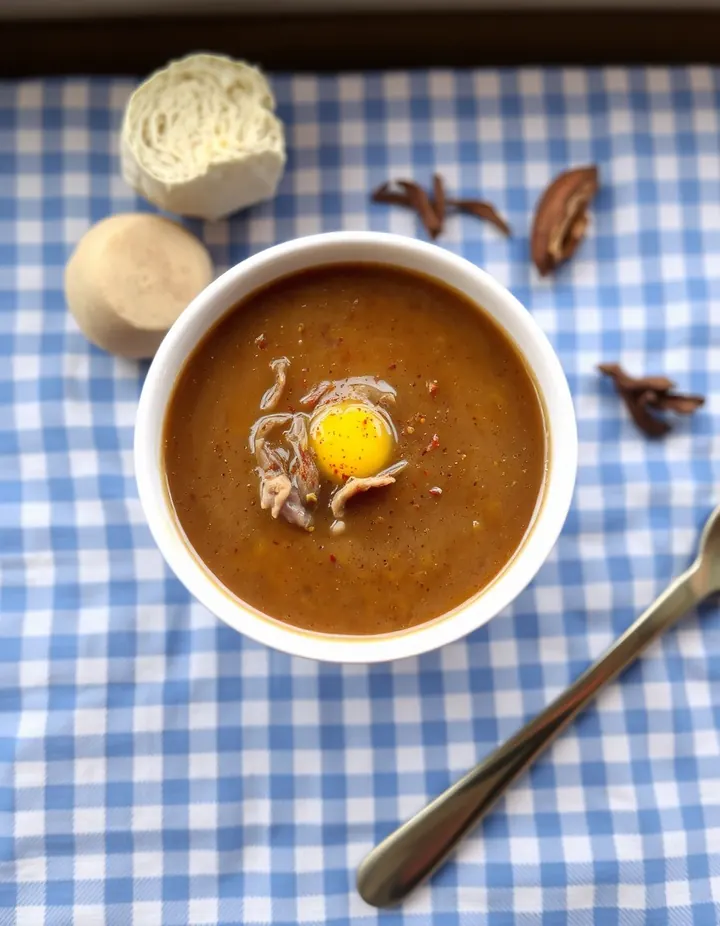 Pheasant Soup25 recipes
 Tomato Soup526 recipes
The free Flavor Lab newsletter: one surprising pairing a week and the molecular reason it works, in 60 seconds. No spam, unsubscribe anytime.
Prefer an account? Create a free account to save pairings and unlock the full chemistry.