Why it works: Rice and milk are a kitchen classic. They rank in the top 7% of all ingredient pairs, and cooks put them together in 7,374 recipes. Both carry 2-nonenal, which smells fatty, green. The science ↓
Peptonized Milk Gruel
Ingredients
Directions
Make the gruel
Prepare a thick gruel from the farinaceous material.
While still boiling hot, mix the gruel with an equal quantity of cold milk.
Treat and finish
Add 2-3 teaspoons of liquor pancreaticus and ½ teaspoon of bicarbonate of soda to the mixture.
Keep the mixture warm in a covered jug for 2 hours.
Boil for a few minutes and then strain.
Transcribed from a scanned cookbook and modernised for today's kitchens. Where the book gave no heat or time, or said "a moderate oven", the temperatures and times here may be modern equivalents rather than the book's own figures.
Explore the science
The flavor team
The pairs that carry this dish. Each one is judged two ways: how much their aromas overlap, and how often cooks already put them together.
-
Rice + milktop 7% of all pairsSmell alikemoderateCooked together7,374 recipes
Shared aroma: 2-nonenal (fatty, green).
Ranks compare each pair with 20,000 random ingredient pairs on CompKitchen. How we score pairs
What each ingredient does
- Farinaceous material
- Forms the thick body of the gruel, providing starch that thickens the liquid.
- Cold milk
- Adds moisture and richness, and cools the hot gruel to a workable temperature.
- Liquor pancreaticus
- Enzymes that break down starch and protein, making the mixture thinner and more digestible.
- Bicarbonate of soda
- Raises the alkalinity of the mixture, which can help enzymes work and soften the starch.
The step that matters
Mixing the hot gruel with cold milk. Adding the milk while the gruel is still boiling hot can scald or curdle the milk. Cooling the gruel to a safe temperature before adding enzymes also matters, because very high heat would denature the enzymes in liquor pancreaticus and reduce their effect.
“What each ingredient does” and “The step that matters” were written by Claude from this recipe’s own method and reviewed in samples by CompKitchen.
More milk gruel recipes
You might also like
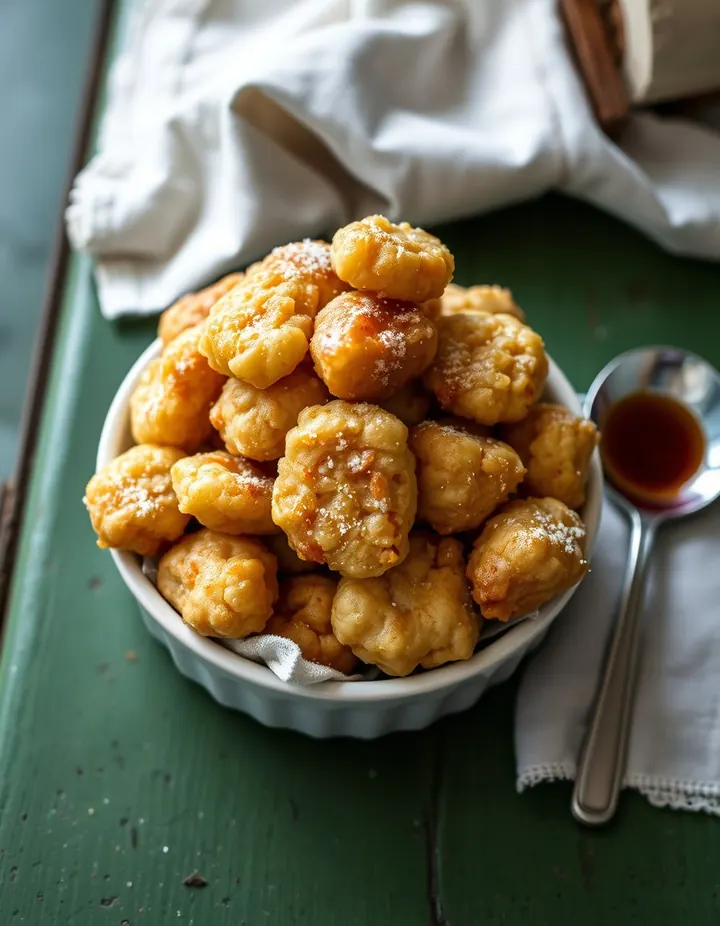 Rice Fritters84 recipes
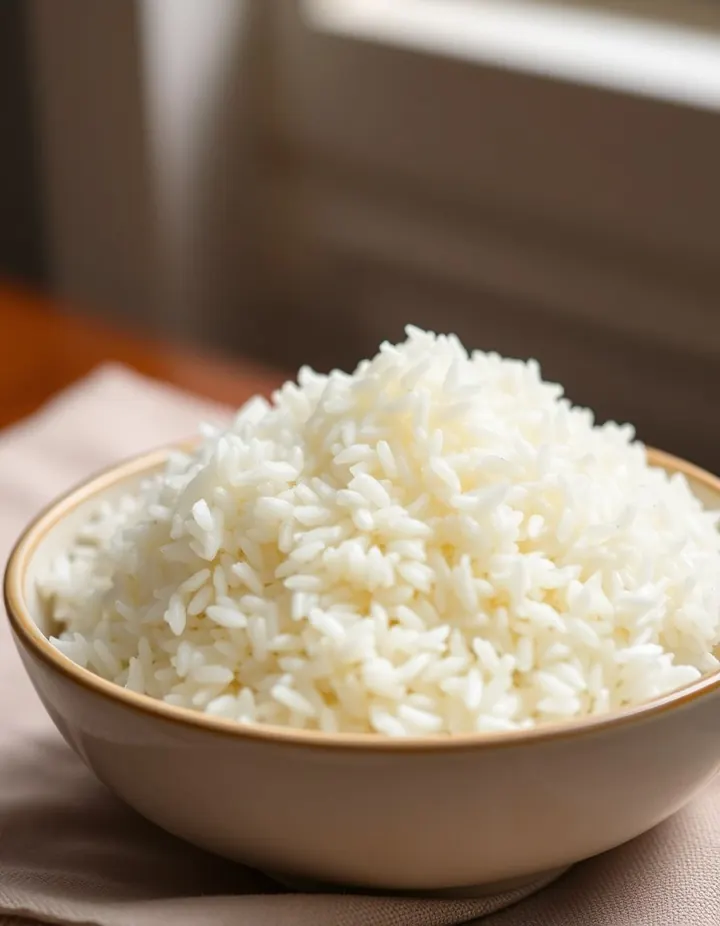 Steamed Rice48 recipes
 Rice Griddle Cakes28 recipes
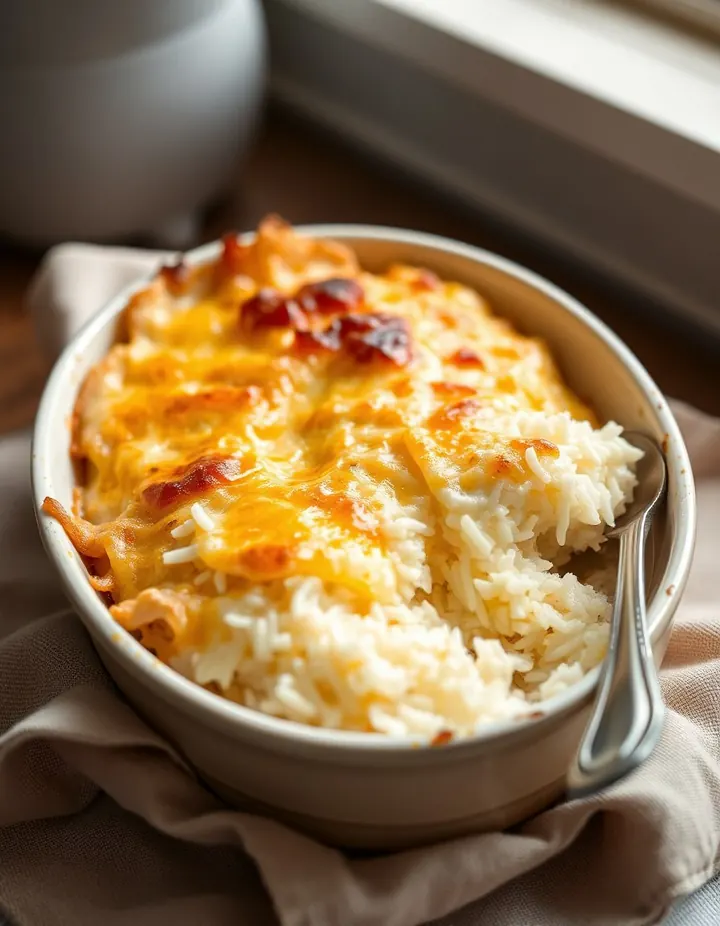 Rice and Cheese Casserole23 recipes
The free Flavor Lab newsletter: one surprising pairing a week and the molecular reason it works, in 60 seconds. No spam, unsubscribe anytime.
Prefer an account? Create a free account to save pairings and unlock the full chemistry.