Why it works: Lima beans and wheat work together. They rank in the top 14% of all ingredient pairs, and cooks put them together in 12 recipes. Both carry 2-methoxy-4-vinylphenol, which smells clove, smoky. The science ↓
Soaked Lima Beans
Ingredients
Directions
Soak the beans
Fill barrels or tanks halfway with dried lima beans.
Cover beans with boiling water and let them soak for 3 to 4 hours.
Drain the hot water and cover the beans with cold water for 12 to 15 hours.
Fill and thicken
Fill cans with soaked beans and cover with brine.
For thickener, mix 5 pounds of flour or 4 pounds of corn-starch in 4 gallons of water to make a thin paste.
Strain the paste through a fine sieve and add it to the brine, stirring frequently.
Process
Process No. 2 cans for 40 minutes at 240°F (115°C), No. 3 cans for 50 minutes at 240°F (115°C), and No. 10 cans for 60 minutes at 250°F (120°C).
Transcribed from a scanned cookbook and modernised for today's kitchens. Where the book gave no heat or time, or said "a moderate oven", the temperatures and times here may be modern equivalents rather than the book's own figures.
Explore the science
The flavor team
The pairs that carry this dish. Each one is judged two ways: how much their aromas overlap, and how often cooks already put them together.
-
Lima beans + wheattop 14% of all pairsSmell alikemoderateCooked together12 recipes
Shared aroma: 2-methoxy-4-vinylphenol (clove, smoky).
Ranks compare each pair with 20,000 random ingredient pairs on CompKitchen. How we score pairs
What each ingredient does
- Dried lima beans
- Provide the main body and starchy texture of the finished canned beans.
- Wheat flour or corn-starch
- Thickens the brine into a thin, smooth liquid that coats the beans.
The step that matters
Strain the thickener paste before adding it to the brine. Straining removes lumps of flour or starch that would not dissolve and would leave a grainy, uneven liquid. Stirring frequently keeps the starch suspended so it thickens evenly instead of settling on the bottom of the brine.
“What each ingredient does” and “The step that matters” were written by Claude from this recipe’s own method and reviewed in samples by CompKitchen.
You might also like
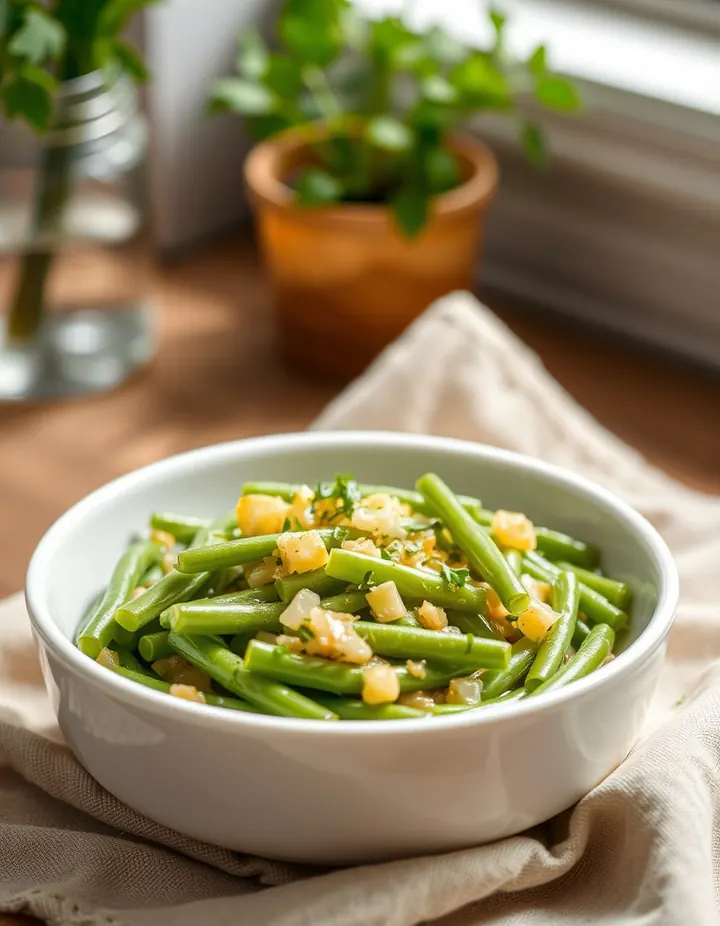 German Style String Beans7 recipes
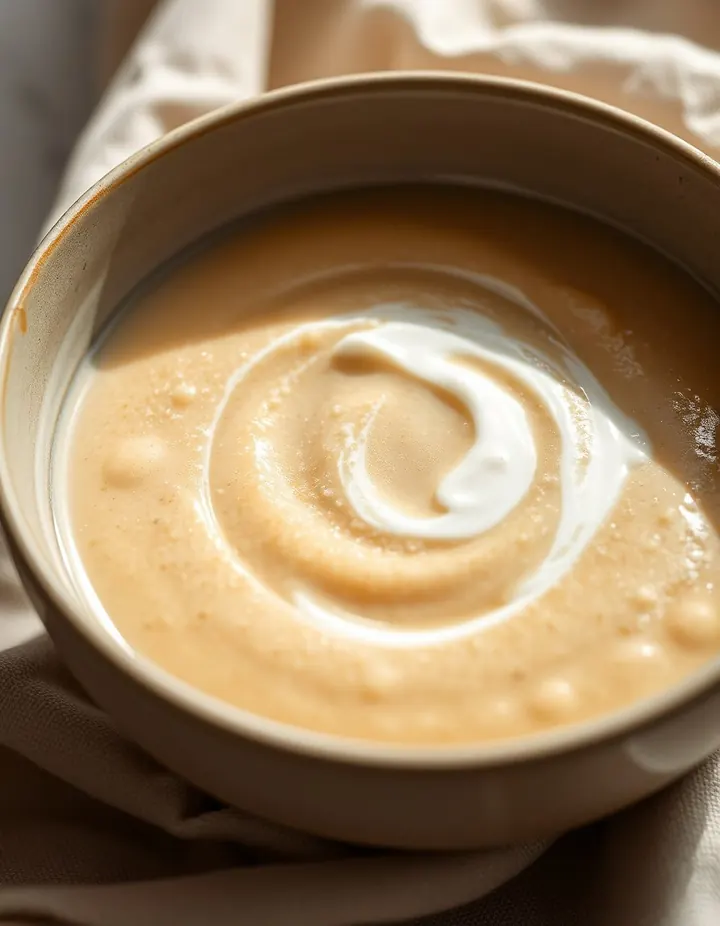 Wheat Gruel6 recipes
 Tomato Soup526 recipes
 Brown Bread461 recipes
The free Flavor Lab newsletter: one surprising pairing a week and the molecular reason it works, in 60 seconds. No spam, unsubscribe anytime.
Prefer an account? Create a free account to save pairings and unlock the full chemistry.