Why it works: Meat and flour are a kitchen classic. They rank in the top 28% of all ingredient pairs, and cooks put them together in 5,529 recipes. Both carry isobutyraldehyde, which smells malty, green. The science ↓
Roasting
Ingredients
Directions
Prepare
Wash the joint of meat with clean water and dry it.
Dredge the joint lightly with flour.
Roast
Hang the joint on a roasting jack before a clear, bright fire with a dripping pan underneath.
Baste the joint frequently with the fat and gravy that collects in the dripping pan.
Start by placing the joint close to the fire for 10 minutes to coagulate the surface, then move it about 1 foot away to cook slowly.
Ensure the fire is maintained throughout the roasting process.
Serve
Serve the joint on a hot dish with warmed plates.
Transcribed from a scanned cookbook and modernised for today's kitchens. Where the book gave no heat or time, or said "a moderate oven", the temperatures and times here may be modern equivalents rather than the book's own figures.
Explore the science
The flavor team
The pairs that carry this dish. Each one is judged two ways: how much their aromas overlap, and how often cooks already put them together.
-
Meat + flourtop 28% of all pairsSmell alikelowCooked together5,529 recipes
Shared aroma: isobutyraldehyde (malty, green).
Ranks compare each pair with 20,000 random ingredient pairs on CompKitchen. How we score pairs
What each ingredient does
- Meat
- Forms the dish; its outer surface sets and browns while the interior cooks through slowly.
- Flour
- Light coating that helps the surface brown and crisp in the fire.
The step that matters
Starting the joint close to the fire, then moving it back. The brief high heat at first sets and browns the outer surface, which helps seal in juices. Moving the joint farther away then lets the centre cook gently, so the outside does not burn before the inside is done.
“What each ingredient does” and “The step that matters” were written by Claude from this recipe’s own method and reviewed in samples by CompKitchen.
You might also like
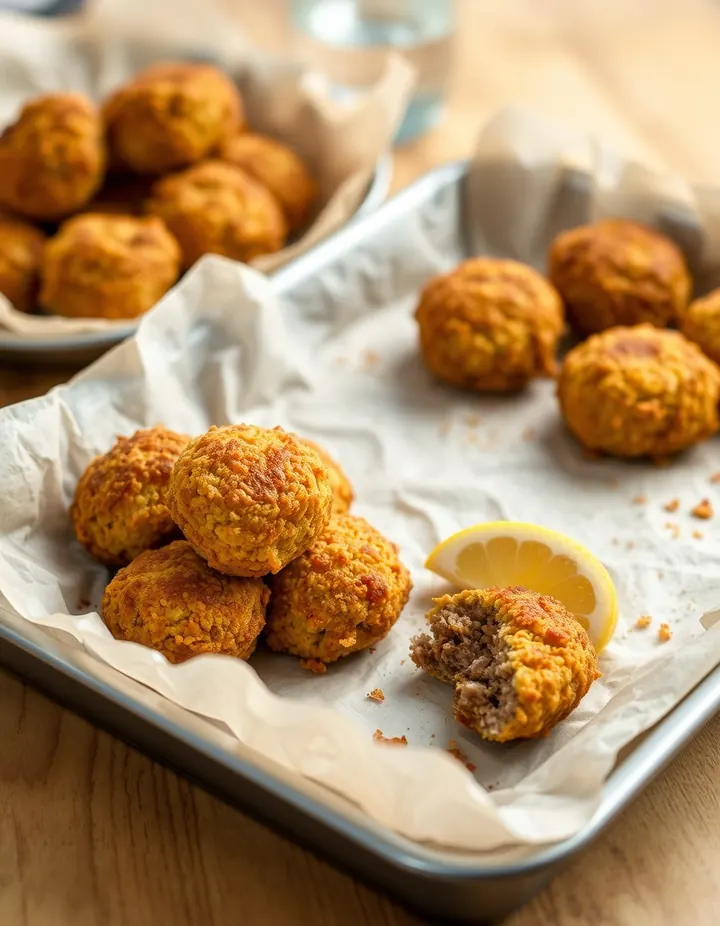 Meat Croquettes52 recipes
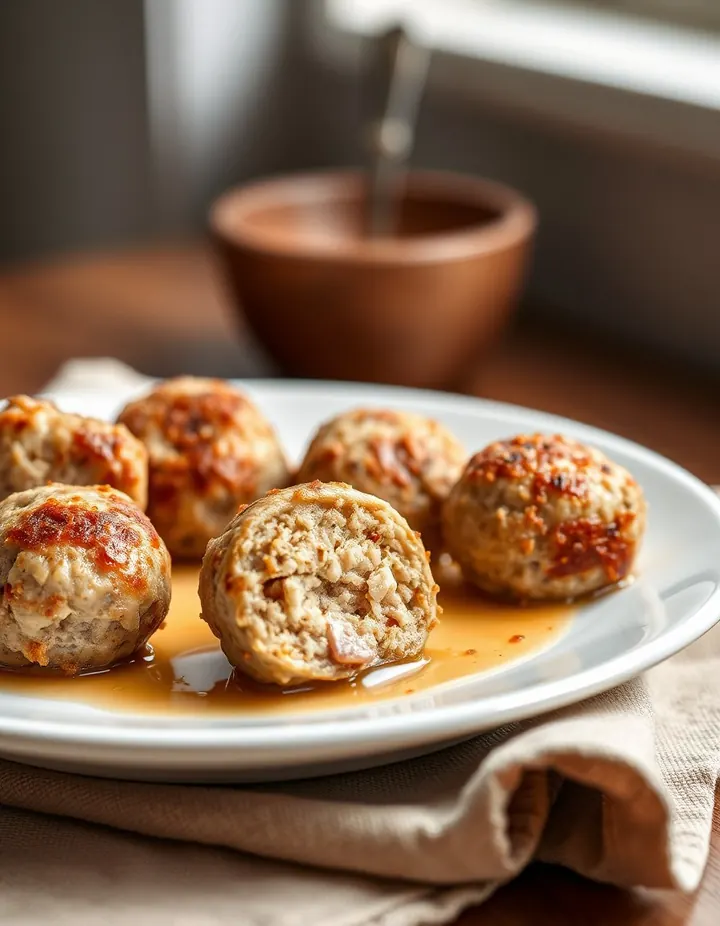 Meatballs37 recipes
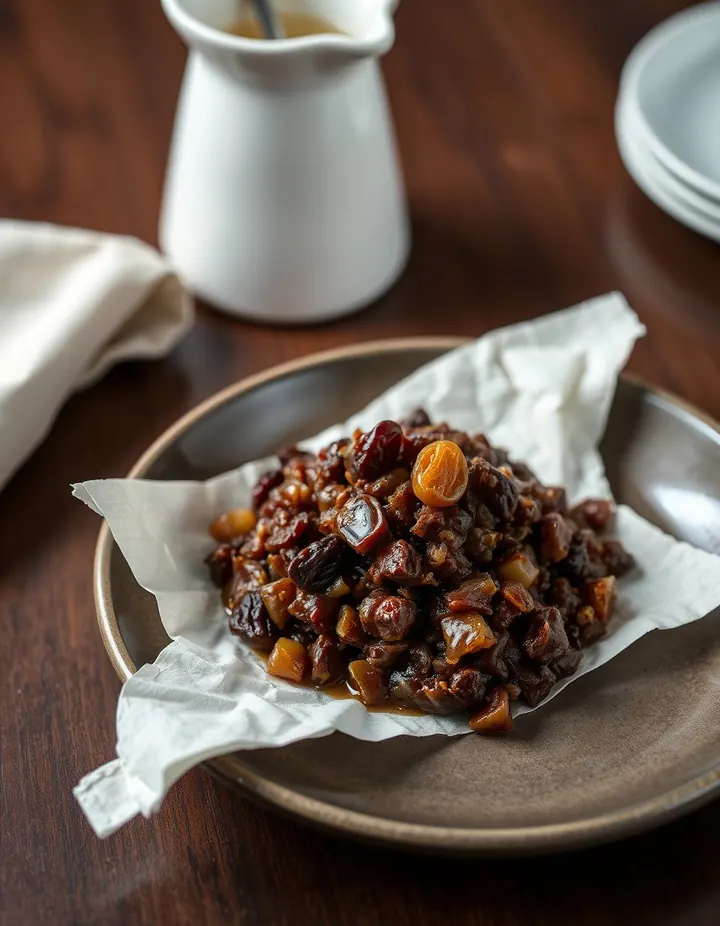 Mince Meat37 recipes
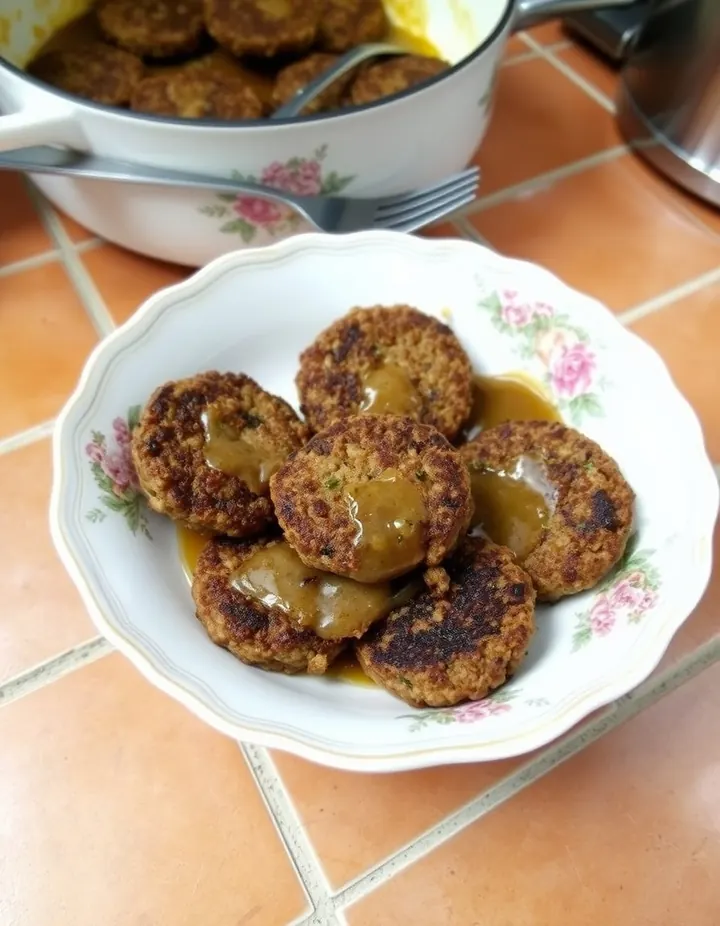 Meat Cakes35 recipes
The free Flavor Lab newsletter: one surprising pairing a week and the molecular reason it works, in 60 seconds. No spam, unsubscribe anytime.
Prefer an account? Create a free account to save pairings and unlock the full chemistry.