Why it works: Clove and laurel are a kitchen classic. They rank in the top 1% of all ingredient pairs, and cooks put them together in 3,516 recipes. Both carry estragole, which smells anise, licorice. The science ↓
Marinated Salmon
Ingredients
Directions
The book says “a slow oven”. The 300°F (150°C) in the steps is the modern equivalent, not the book's own figure.
Prepare the salmon
Scale the salmon, remove the fins, and split it open at the back.
Reserve the roe and liver.
Wipe the fish clean and sprinkle moist sugar on the flesh side.
Let it sit overnight.
Mix the bay leaf, mace, cloves, white pepper, and salt. Rub this mixture and the sugar into the fish on both sides.
Place laurel leaves on the thick side of the fish. Fold the thin side over the laurel leaves.
Refrigerate for 24 hours.
Cook and drain
Remove the fish, wipe it dry, and cut it into pieces.
Place the pieces in a deep dish with the spices and wine.
Cover with double paper.
Bake in a 300°F (150°C) oven until cooked through.
Pour off the liquid while warm.
Let the fish drain on a sieve, covered with a cloth to preserve color.
Pack and store
In jars, place the fish with the red side down and cover with olive oil.
Let it sit for a day.
Add more oil on the second and third days.
Cover the jars with a wet bladder.
Store in a cool, dry place.
Transcribed from a scanned cookbook and modernised for today's kitchens. Where the book gave no heat or time, or said "a moderate oven", the temperatures and times here may be modern equivalents rather than the book's own figures.
Explore the science
The flavor team
The pairs that carry this dish. Each one is judged two ways: how much their aromas overlap, and how often cooks already put them together.
-
Clove + laureltop 1% of all pairsSmell alikemoderateCooked together3,516 recipes
Shared aroma: estragole (anise, licorice).
-
Mace + clovetop 6% of all pairsSmell alikelowCooked together8,400 recipes
Shared aroma: methyleugenol (clove, spice).
-
Mace + white peppertop 9% of all pairsSmell alikemoderateCooked together1,695 recipes
Shared aroma: myrcene (balsamic, herbaceous).
-
Clove + olivetop 10% of all pairsSmell alikemoderateCooked together5,866 recipes
Shared aroma: eucalyptol (eucalyptus, herbal).
-
Laurel + olivetop 12% of all pairsSmell alikemoderateCooked together2,983 recipes
Shared aroma: (z)-hex-3-en-1-ol (freshly cut grass green and herbaceous notes).
Ranks compare each pair with 20,000 random ingredient pairs on CompKitchen. How we score pairs
What each ingredient does
- Salmon
- Forms the main body of the dish, becoming firm and flaky when baked and preserved.
- Table salt
- Draws moisture out of the fish and seasons it, helping to cure and preserve the flesh.
- Powdered bay leaf
- Adds a savory, aromatic herbal flavor to the fish.
- Rhenish wine
- Adds acidity and aromatic flavor to the fish during the baking step.
- Olive oil
- Covers the fish in the jars, excluding air and adding richness and moisture.
The step that matters
Baking until cooked through at 300°F. Salmon dries out and turns tough if overcooked, yet undercooked fish can spoil. Holding a moderate oven and checking doneness keeps the flesh moist and safe before it is packed in oil.
Swap the white pepper
How well each one fits the dish's main ingredients (salmon, mace, clove, laurel, wine, olive):
- Thymefits better
- Cinnamonfits better
- Rosemaryfits better
- White pepperthe original
Fit is the average pairing score against salmon, mace, clove, laurel, wine, olive. Candidates are from the same food group and used in at least 100 recipes.
“What each ingredient does” and “The step that matters” were written by Claude from this recipe’s own method and reviewed in samples by CompKitchen.
You might also like
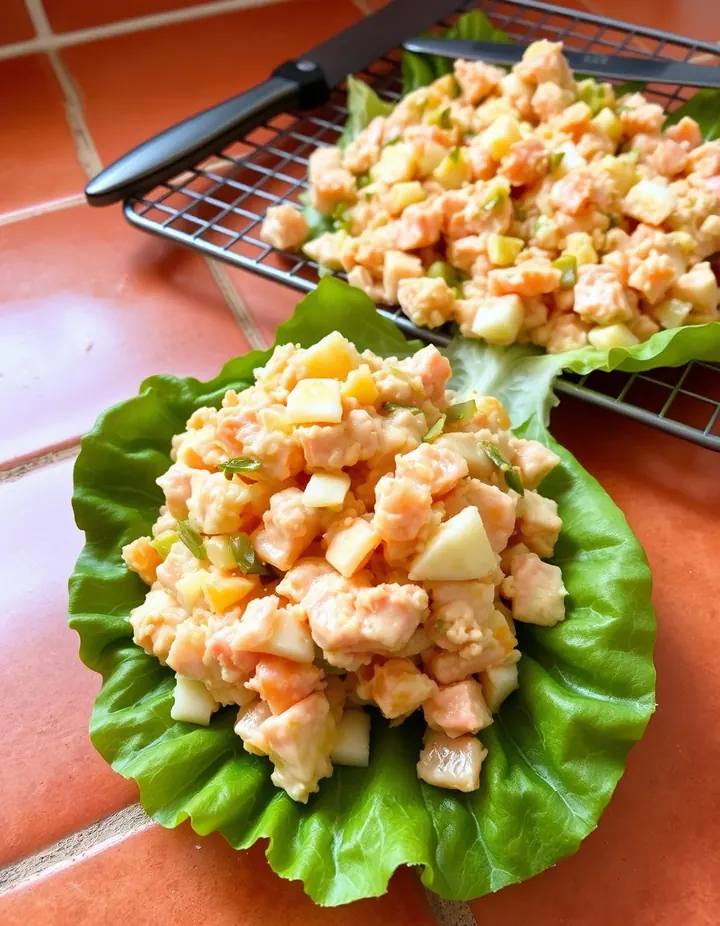 Salmon Salad155 recipes
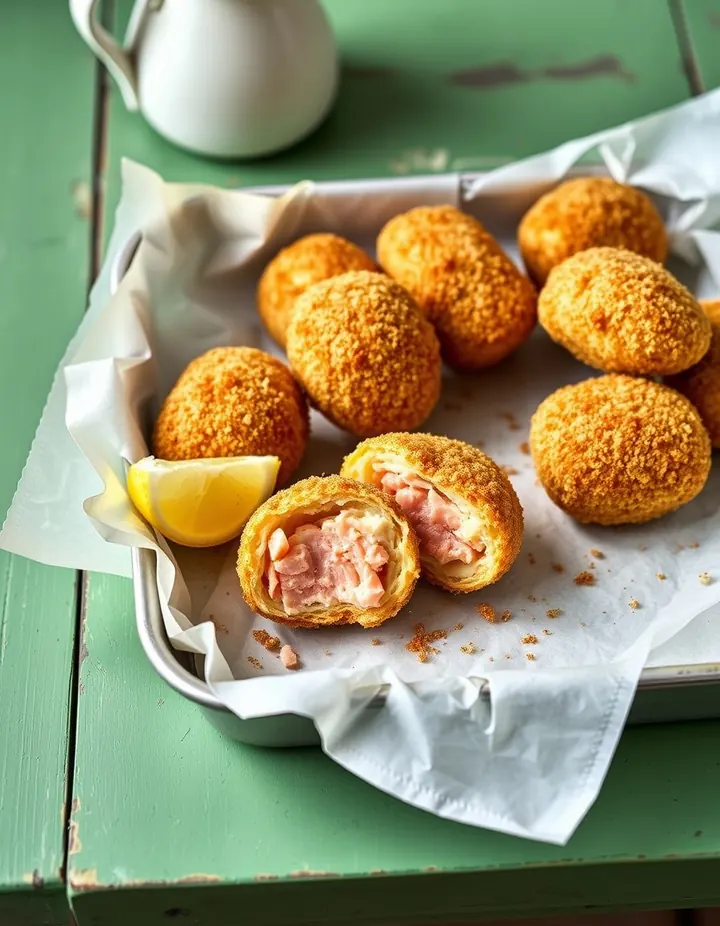 Salmon Croquettes129 recipes
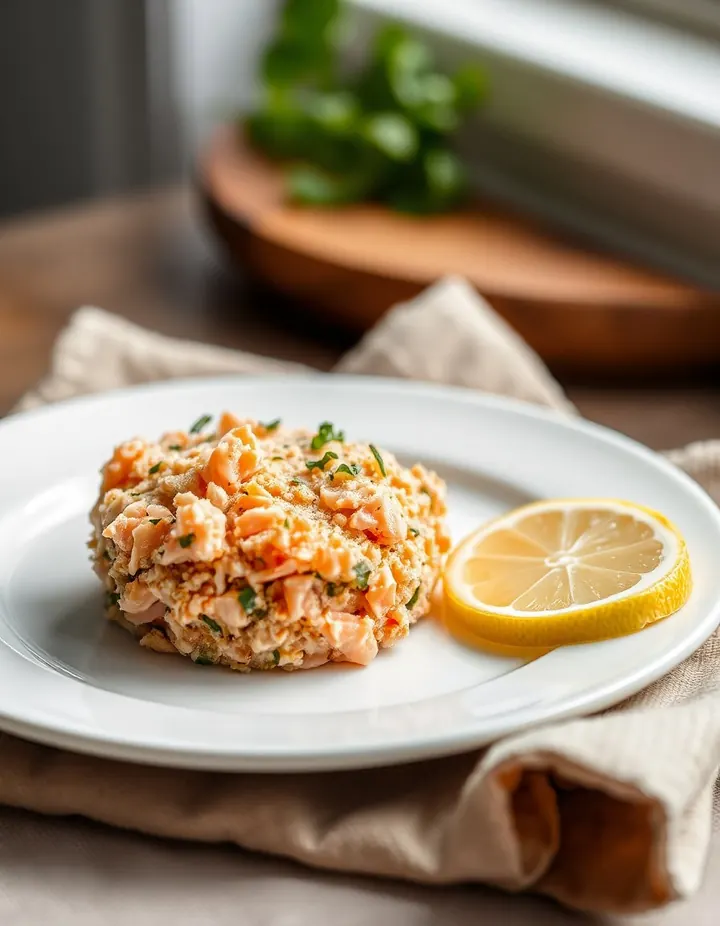 Canned Salmon14 recipes
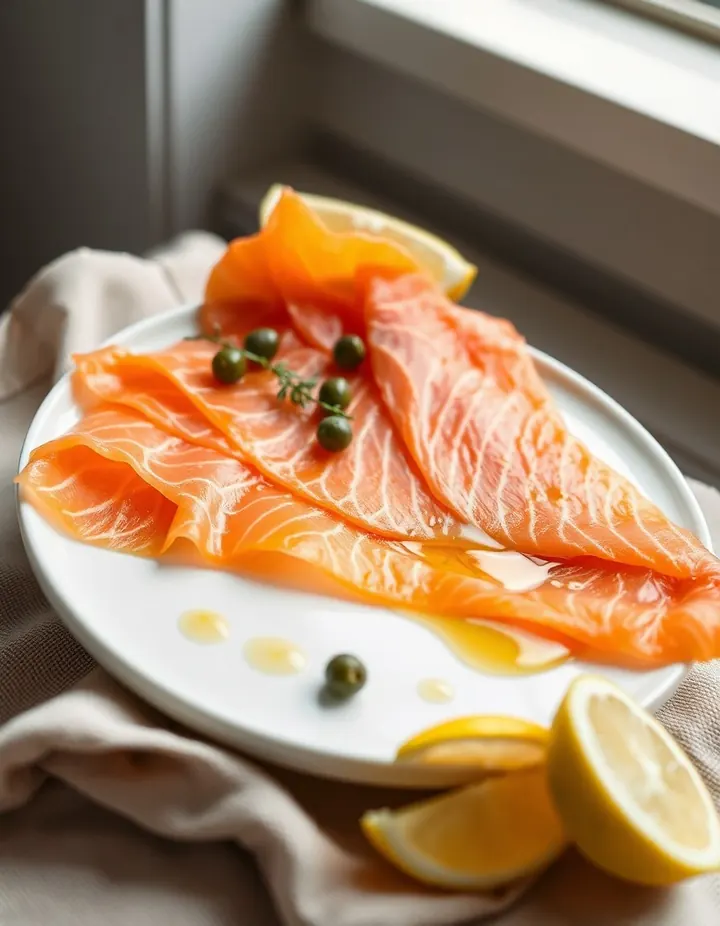 Smoked Salmon14 recipes
The free Flavor Lab newsletter: one surprising pairing a week and the molecular reason it works, in 60 seconds. No spam, unsubscribe anytime.
Prefer an account? Create a free account to save pairings and unlock the full chemistry.