Why it works: Pineapple and sugar are a kitchen classic. They rank in the top 19% of all ingredient pairs, and cooks put them together in 4,841 recipes. Both carry 2-nonenal, which smells fatty, green. The science ↓
Pineapples, Dry-packed
Ingredients
Directions
Prepare the pineapple
Pare the pineapples, remove all eyes and the core.
Cut the pineapples into ½ inch square dice.
Roll the diced pineapples in granulated Rock Candy.
Pack and seal
Pack the pineapples closely in cans, filling all crevices with granulated sugar.
Cap the cans and exhaust No. 2 cans for 10 minutes in a steam box.
Process
Tip the cans and process for 10 minutes at 240°F (115°C) or 20 minutes at 212°F (100°C).
Transcribed from a scanned cookbook and modernised for today's kitchens. Where the book gave no heat or time, or said "a moderate oven", the temperatures and times here may be modern equivalents rather than the book's own figures.
Explore the science
The flavor team
The pairs that carry this dish. Each one is judged two ways: how much their aromas overlap, and how often cooks already put them together.
-
Pineapple + sugartop 19% of all pairsSmell alikelowCooked together4,841 recipes
Shared aroma: 2-nonenal (fatty, green).
Ranks compare each pair with 20,000 random ingredient pairs on CompKitchen. How we score pairs
What each ingredient does
- Pineapples
- Provide the fruit that forms the main body and flavor of the preserve.
- Granulated rock candy
- Coats the diced fruit with sugar, adding sweetness and helping preserve texture.
- Granulated sugar
- Fills the gaps between pieces, adding sweetness and moisture-holding body to the packed fruit.
The step that matters
Exhausting the cans. Exhausting drives air out of the cans before sealing and processing. Trapped air can prevent proper heat transfer and weaken the vacuum as the contents cool, so the cans may not seal or keep well.
“What each ingredient does” and “The step that matters” were written by Claude from this recipe’s own method and reviewed in samples by CompKitchen.
You might also like
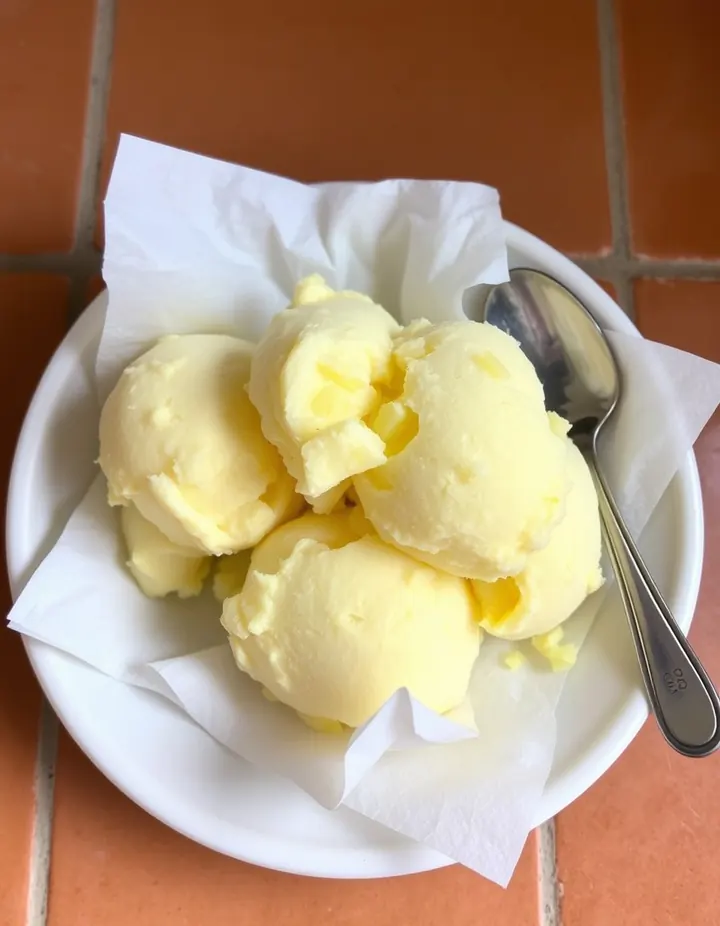 Pineapple Sherbet116 recipes
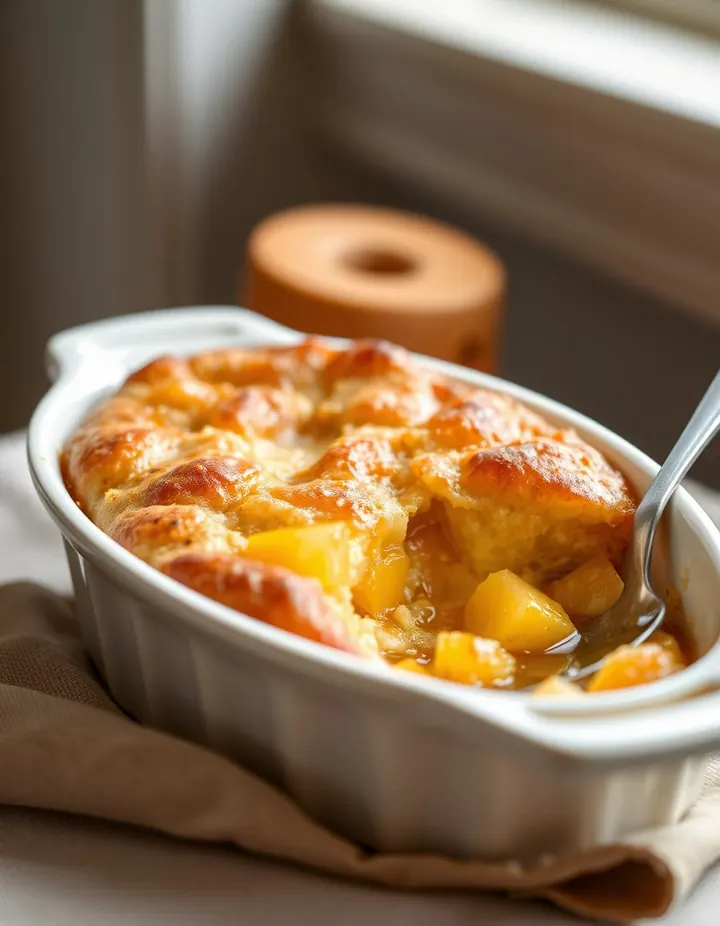 Pineapple Pudding72 recipes
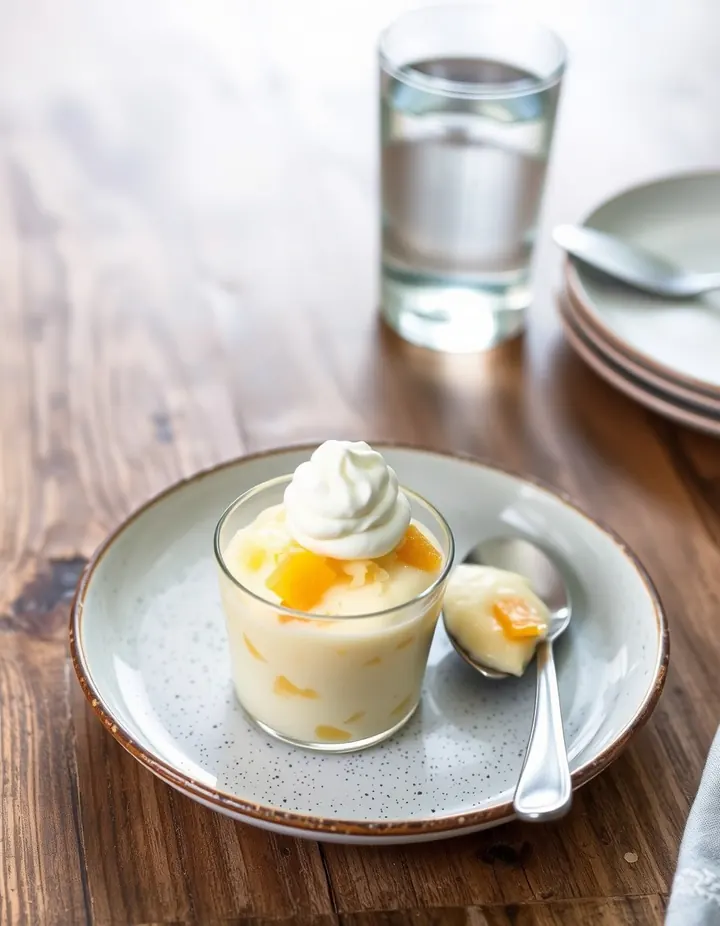 Pineapple Cream58 recipes
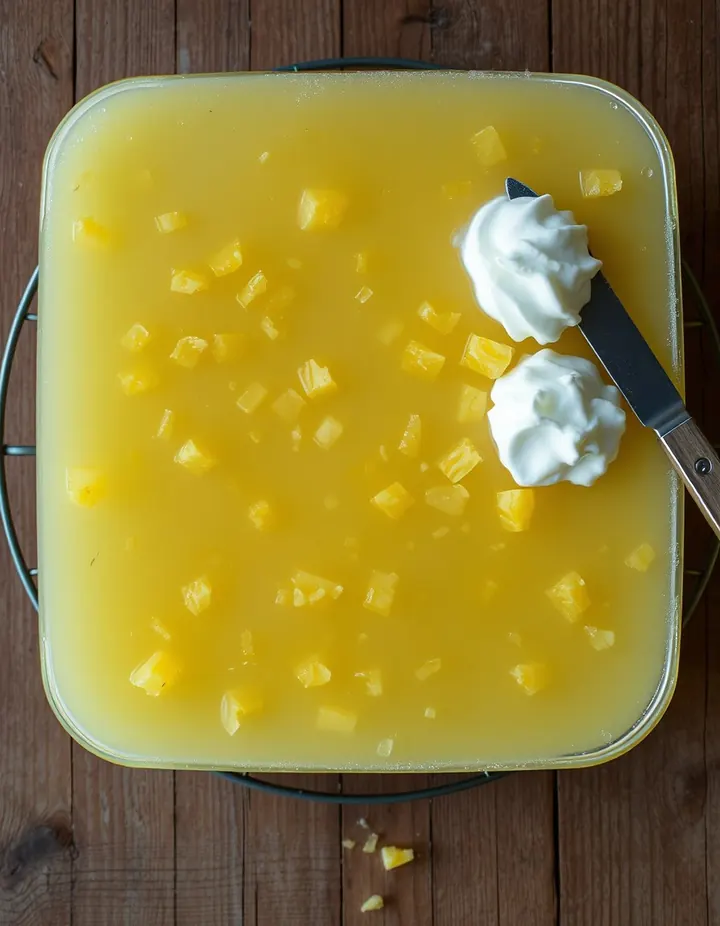 Pineapple Jelly39 recipes
The free Flavor Lab newsletter: one surprising pairing a week and the molecular reason it works, in 60 seconds. No spam, unsubscribe anytime.
Prefer an account? Create a free account to save pairings and unlock the full chemistry.