Why it works: Clove and pepper match in chemistry and in kitchens. They rank in the top 5% of all ingredient pairs, and cooks put them together in 17,451 recipes. Both carry ethyl octanoate, which smells fruity, wine. The science ↓
Corned Fish
Ingredients
Directions
Prepare and cure
Scale the fish, remove heads, split down the back, clean, and wipe dry without washing.
Mix salt, brown sugar, and powdered saltpeter, then rub the mixture inside and out of the fish.
Pile the fish skin down in tanks and weigh them down.
Let them sit for 48 to 60 hours, depending on thickness.
Pack and make the sauce
Wash and drain the fish, cut to can size, and place in cans.
Soak pepper, cloves, and bay leaves in vinegar for 48 hours or more.
In a kettle, combine water, salt, and onions, bring to a boil, and cook for 30 minutes.
Add the vinegar and spices, boil for one minute, then strain.
Fill and process
Fill the cans with the sauce, close them, and process at 240°F (115°C): 30 minutes for 1-lb. cans and 45 minutes for 2-lb. cans.
For small fish, leave heads on, pack dry in flat cans, exhaust for 10 minutes at 212°F (100°C), and process for the same time as corned fish.
Transcribed from a scanned cookbook and modernised for today's kitchens. Where the book gave no heat or time, or said "a moderate oven", the temperatures and times here may be modern equivalents rather than the book's own figures.
Explore the science
The flavor team
The pairs that carry this dish. Each one is judged two ways: how much their aromas overlap, and how often cooks already put them together.
-
Clove + peppertop 5% of all pairsSmell alikestrongCooked together17,451 recipes
Shared aroma: ethyl octanoate (fruity, wine).
-
Onion + peppertop 11% of all pairsSmell alikemoderateCooked together68,474 recipes
Shared aroma: 2-isopropyl-3-methoxypyrazine (earthy, pea).
-
Clove + oniontop 13% of all pairsSmell alikemoderateCooked together16,901 recipes
Shared aroma: 2-nonanone (fruity, floral).
-
Vinegar + oniontop 14% of all pairsSmell alikemoderateCooked together18,226 recipes
Shared aroma: acetic acid (sour, vinegar).
-
Vinegar + peppertop 14% of all pairsSmell alikemoderateCooked together27,814 recipes
Shared aroma: 4'-methylacetophenone (bitter almond).
Ranks compare each pair with 20,000 random ingredient pairs on CompKitchen. How we score pairs
What each ingredient does
- Fish
- Is the main protein that the salt cure firms and preserves during curing.
- Coarse sea salt
- Draws out moisture and seasons the fish during the cure, slowing spoilage.
- Powdered saltpeter
- Acts as a curing agent that helps preserve the fish and keep its color.
- Brown sugar
- Balances the sharpness of the salt and adds mild sweetness to the cured fish.
- Vinegar
- Adds acidity that sharpens the pickling sauce and helps preserve the canned fish.
The step that matters
Curing for the full 48 to 60 hours. Salt and cure need time to penetrate the flesh evenly. Thick fish cured too briefly can stay raw and uneven at the center, while curing too long makes it overly salty and firm.
Swap the onion
How well each one fits the dish's main ingredients (fish, sugar, vinegar, clove, pepper):
- Capsicumfits better
- Mustardfits better
- Horseradishfits better
- Onionthe original
Fit is the average pairing score against fish, sugar, vinegar, clove, pepper. Candidates are from the same food group and used in at least 100 recipes.
“What each ingredient does” and “The step that matters” were written by Claude from this recipe’s own method and reviewed in samples by CompKitchen.
You might also like
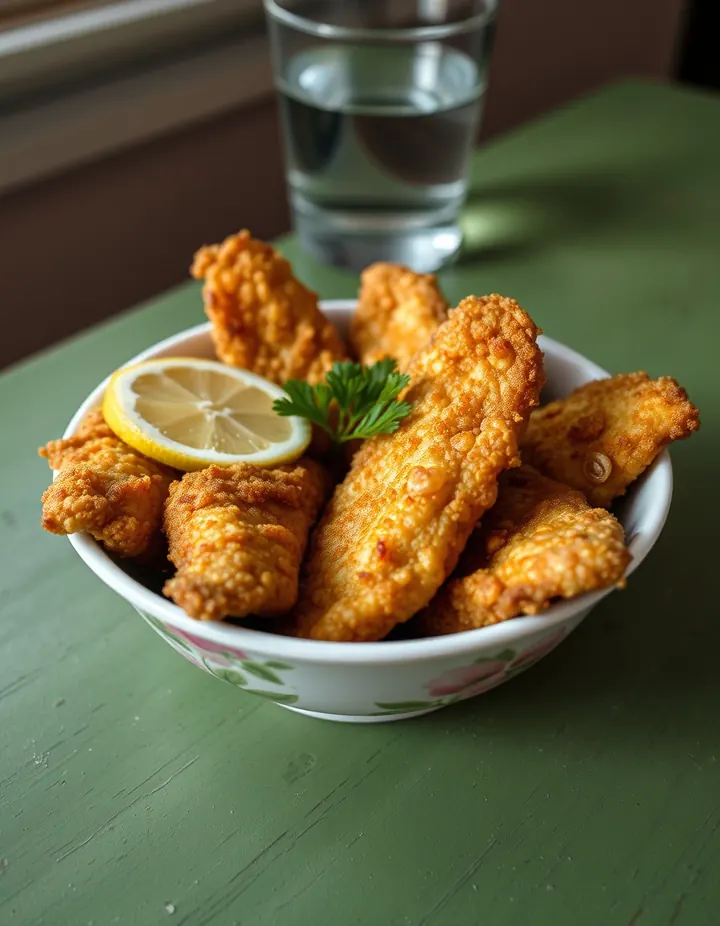 Fried Fish120 recipes
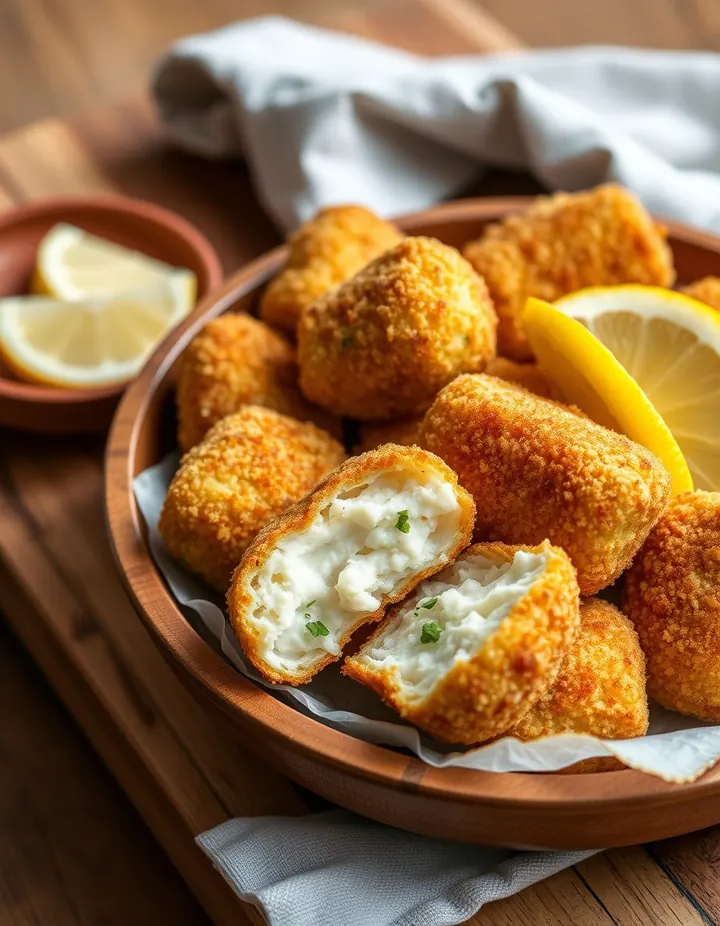 Fish Croquettes81 recipes
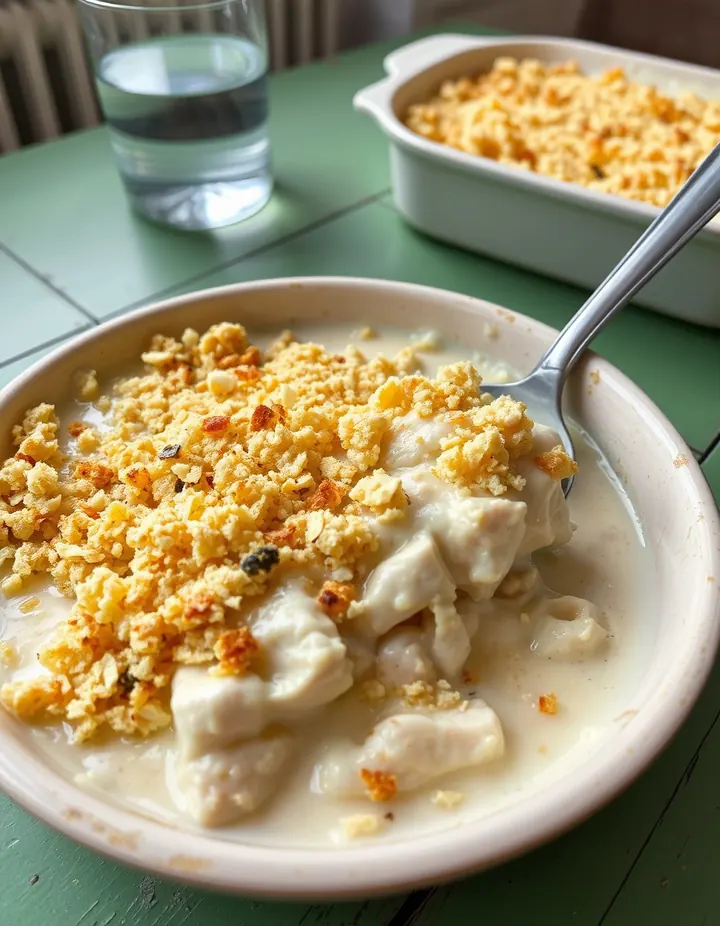 Scalloped Cod69 recipes
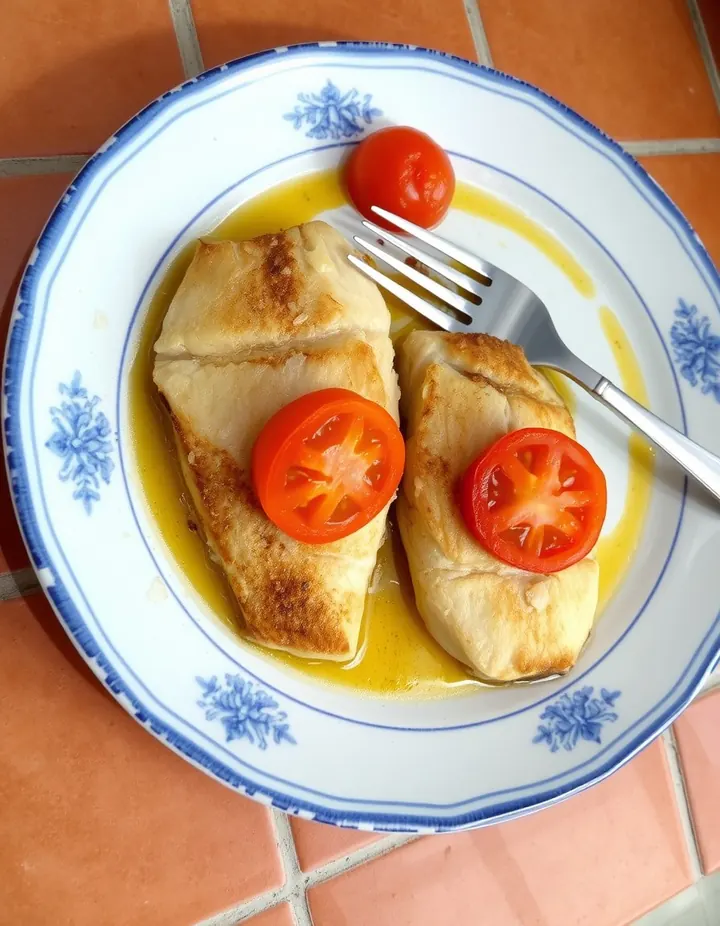 Broiled Fish68 recipes
The free Flavor Lab newsletter: one surprising pairing a week and the molecular reason it works, in 60 seconds. No spam, unsubscribe anytime.
Prefer an account? Create a free account to save pairings and unlock the full chemistry.