Why it works: Gelatin and sugar are a kitchen classic. They rank in the top 7% of all ingredient pairs, and cooks put them together in 2,778 recipes. Both carry ethanol, which smells alcoholic, ethereal. The science ↓
Champagne
Ingredients
Directions
Prepare the wine
Clarify the sweet white wine with gelatin.
Bottle the wine, adding cane sugar and a little brandy.
Tightly cork the bottles.
Optionally, introduce a small amount of yeast.
Ferment and age
Allow fermentation at about 75°F (24°C) until the wine is charged with carbon dioxide.
Store bottles on their side for several months.
Invert the bottles until sediment gathers above the cork.
Carefully remove the cork to discard the sediment, then replace and secure it.
Transcribed from a scanned cookbook and modernised for today's kitchens. Where the book gave no heat or time, or said "a moderate oven", the temperatures and times here may be modern equivalents rather than the book's own figures.
Explore the science
The flavor team
The pairs that carry this dish. Each one is judged two ways: how much their aromas overlap, and how often cooks already put them together.
-
Gelatin + sugartop 7% of all pairsSmell alikemoderateCooked together2,778 recipes
Shared aroma: ethanol (alcoholic, ethereal).
-
White wine + brandytop 9% of all pairsSmell alikemoderateCooked together620 recipes
Shared aroma: beta-damascenone (apple, rose).
-
Sugar + brandytop 19% of all pairsSmell alikelowCooked together11,939 recipes
Shared aroma: beta-damascenone (apple, rose).
-
Gelatin + brandytop 30% of all pairsSmell alikelowCooked together62 recipes
-
White wine + sugartop 30% of all pairsSmell alikelowCooked together2,586 recipes
Shared aroma: beta-damascenone (apple, rose).
Sugar and brandy barely smell alike, yet cooks put them together in 11,939 recipes: they work on texture and structure more than aroma.
Ranks compare each pair with 20,000 random ingredient pairs on CompKitchen. How we score pairs
What each ingredient does
- Sweet white wine
- Provides the base liquid and sugar that the yeast ferments into bubbly wine.
- Gelatin
- Clears the wine by binding suspended particles so they settle out.
- Cane sugar
- Feeds the yeast during bottle fermentation, producing carbon dioxide for sparkle.
- Brandy
- Adds a small amount of alcohol and aroma to the finished wine.
- Yeast
- Drives the secondary fermentation that charges the wine with carbon dioxide.
The step that matters
Remove the cork to discard the sediment, then replace it. Sediment collects above the cork during inversion, and it must be removed without losing much wine or pressure. Opening carefully limits foaming and loss of carbonation, so the bottle stays sparkling.
“What each ingredient does” and “The step that matters” were written by Claude from this recipe’s own method and reviewed in samples by CompKitchen.
More champagne recipes
You might also like
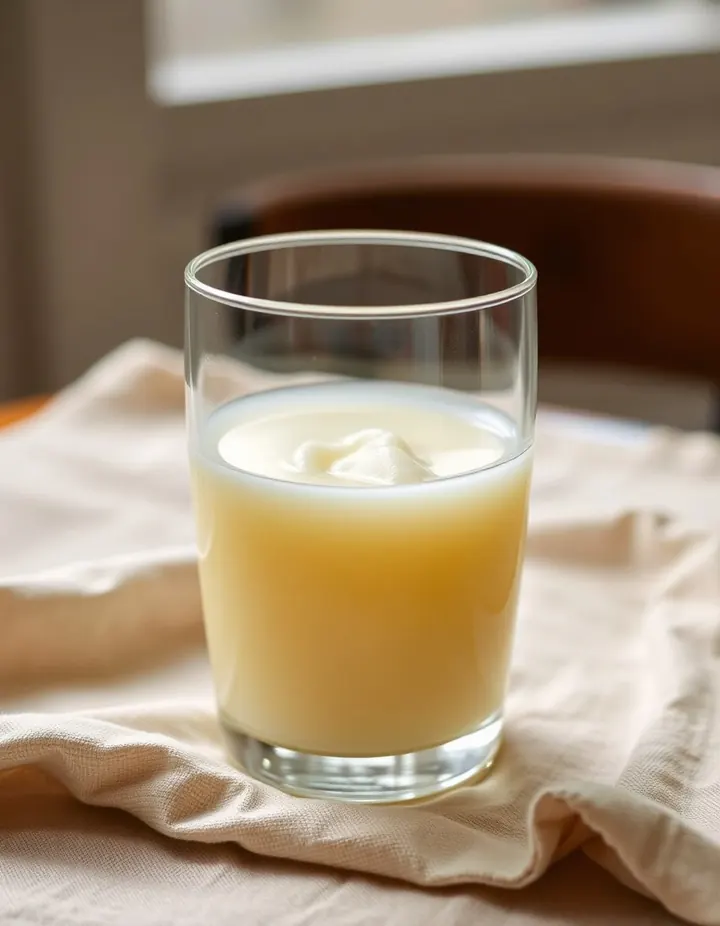 Wine Whey111 recipes
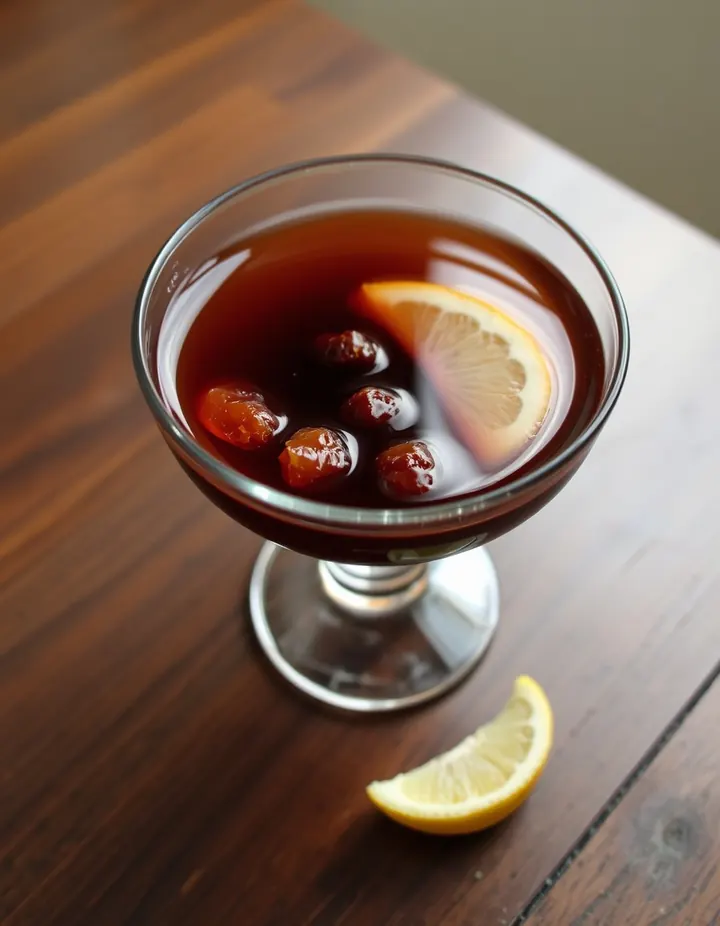 Raisin Wine64 recipes
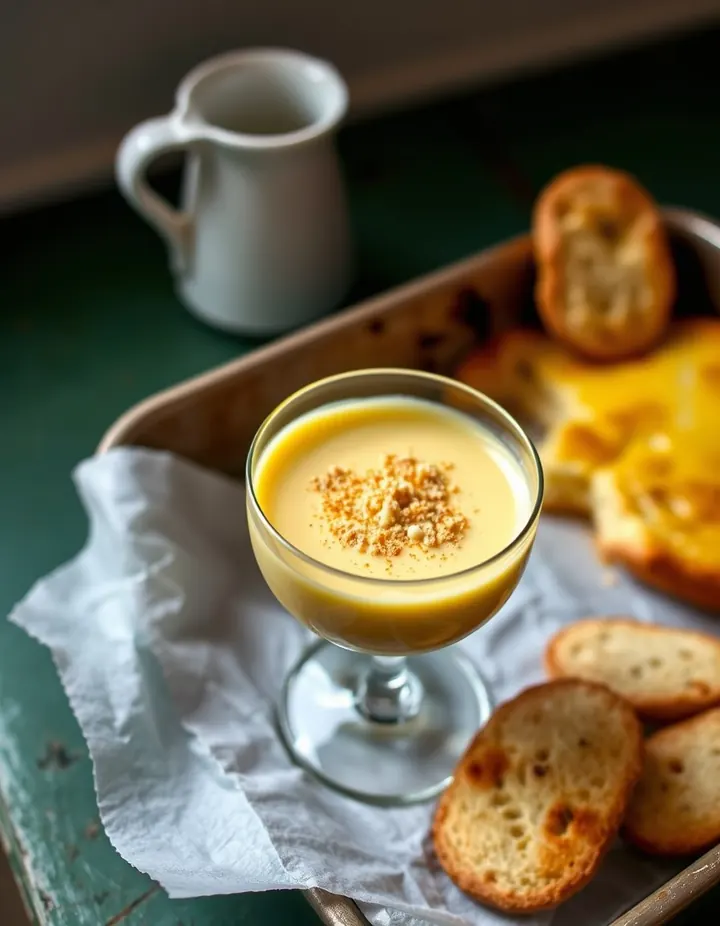 Egg Wine58 recipes
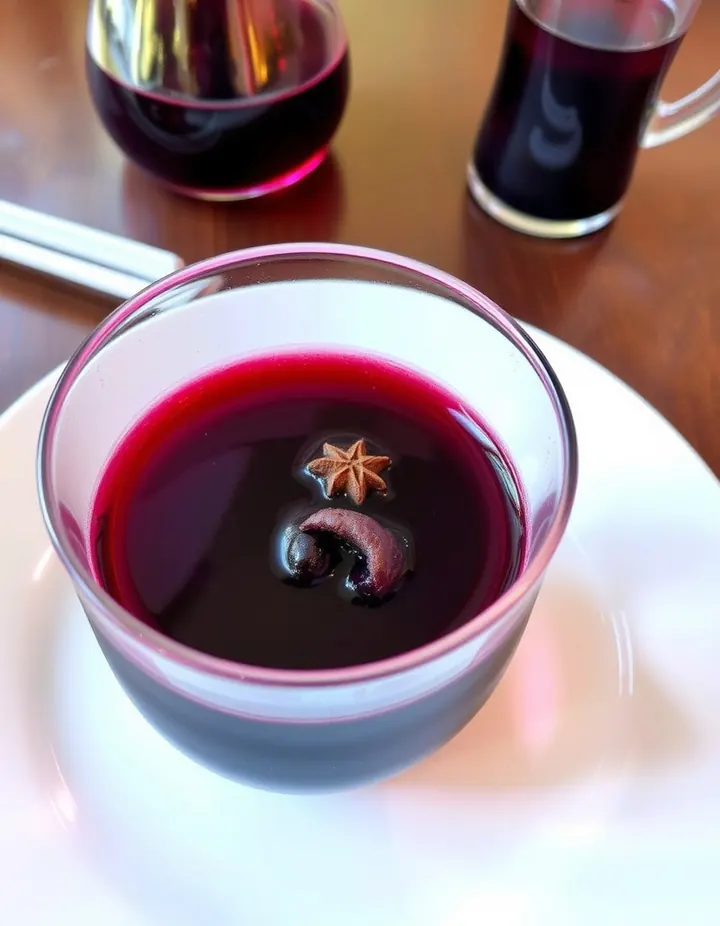 Elderberry Wine51 recipes
The free Flavor Lab newsletter: one surprising pairing a week and the molecular reason it works, in 60 seconds. No spam, unsubscribe anytime.
Prefer an account? Create a free account to save pairings and unlock the full chemistry.