Why it works: Rosemary and sage match in chemistry and in kitchens. They rank in the top 1% of all ingredient pairs, and cooks put them together in 465 recipes. Both carry 1,8-cineol, which smells eucalyptus, camphor. The science ↓
Aromatic Vinegar
Ingredients
Directions
Make the infusion
Combine the dried herbs and spices in a jar.
Pour in the rectified alcohol and let it macerate for one day.
After a day, add the concentrated acetic acid.
Allow the mixture to digest for one week at a temperature of 57-59°F (14-15°C).
Finish the vinegar
Press out the aromatized liquid and filter it.
Transcribed from a scanned cookbook and modernised for today's kitchens. Where the book gave no heat or time, or said "a moderate oven", the temperatures and times here may be modern equivalents rather than the book's own figures.
Explore the science
The flavor team
The pairs that carry this dish. Each one is judged two ways: how much their aromas overlap, and how often cooks already put them together.
-
Rosemary + sagetop 1% of all pairsSmell alikestrongCooked together465 recipes
Shared aroma: 1,8-cineol (eucalyptus, camphor).
-
Nutmeg + clovetop 1% of all pairsSmell alikestrongCooked together8,686 recipes
Shared aroma: estragole (anise, licorice).
-
Sage + nutmegtop 3% of all pairsSmell alikestrongCooked together642 recipes
Shared aroma: beta-phellandrene (minty, terpene).
-
Rosemary + clovetop 3% of all pairsSmell alikestrongCooked together519 recipes
Shared aroma: estragole (anise, licorice).
-
Rosemary + angelicatop 4% of all pairsSmell alikestrongCooked together32 recipes
Shared aroma: alpha-pinene (pine, turpentine).
Ranks compare each pair with 20,000 random ingredient pairs on CompKitchen. How we score pairs
What each ingredient does
- Dried rosemary
- Adds a resinous, piney aroma that carries into the vinegar.
- Concentrated acetic acid
- Provides the sharp acidity and acts as the solvent that draws out flavour from the herbs.
- Rectified alcohol
- Dissolves aromatic compounds from the herbs and spices that water alone would extract poorly.
- Lavender flowers
- Contributes a floral aroma to the finished liquid.
- Bruised nutmeg
- Releases warm, sweet spice aroma during maceration.
- Bruised cloves
- Adds warm, pungent spice aroma during maceration.
The step that matters
Keep the digestion cool and steady. Aromatic compounds are extracted slowly and unevenly, and heat speeds extraction and can drive off volatile aromas, so holding the mixture at the stated cool temperature for the full week gives a balanced result.
Swap the mint
How well each one fits the dish's main ingredients (rosemary, sage, lavender, nutmeg, clove, angelica, camphor):
- Cinnamonfits better
- Thymefits better
- Marjoramfits better
- Mintthe original
Fit is the average pairing score against rosemary, sage, lavender, nutmeg, clove, angelica, camphor. Candidates are from the same food group and used in at least 100 recipes.
“What each ingredient does” and “The step that matters” were written by Claude from this recipe’s own method and reviewed in samples by CompKitchen.
You might also like
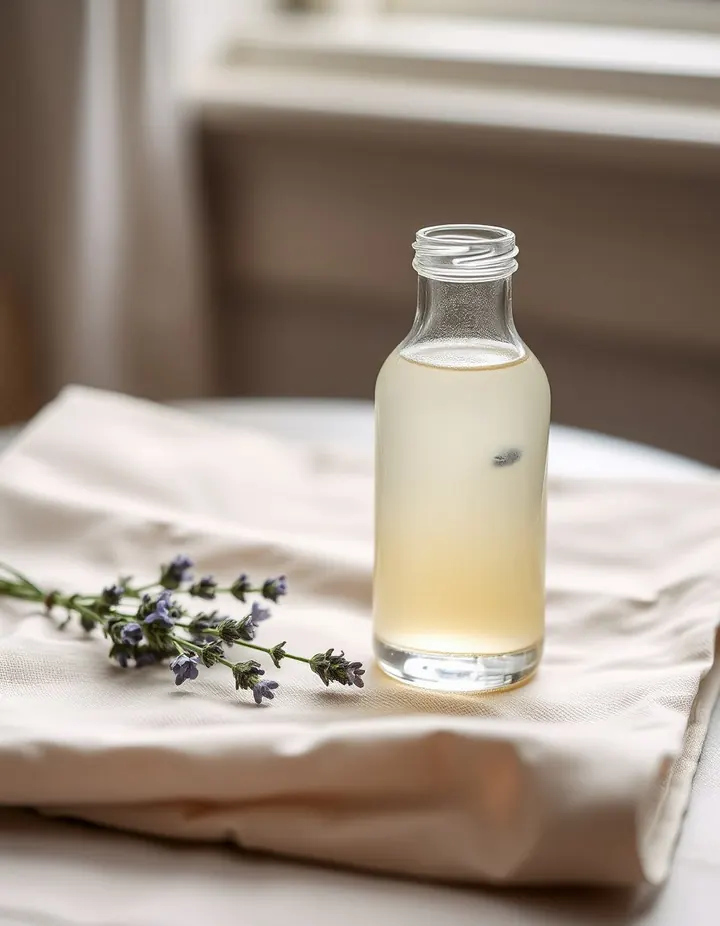 Lavender Water (Tincture)28 recipes
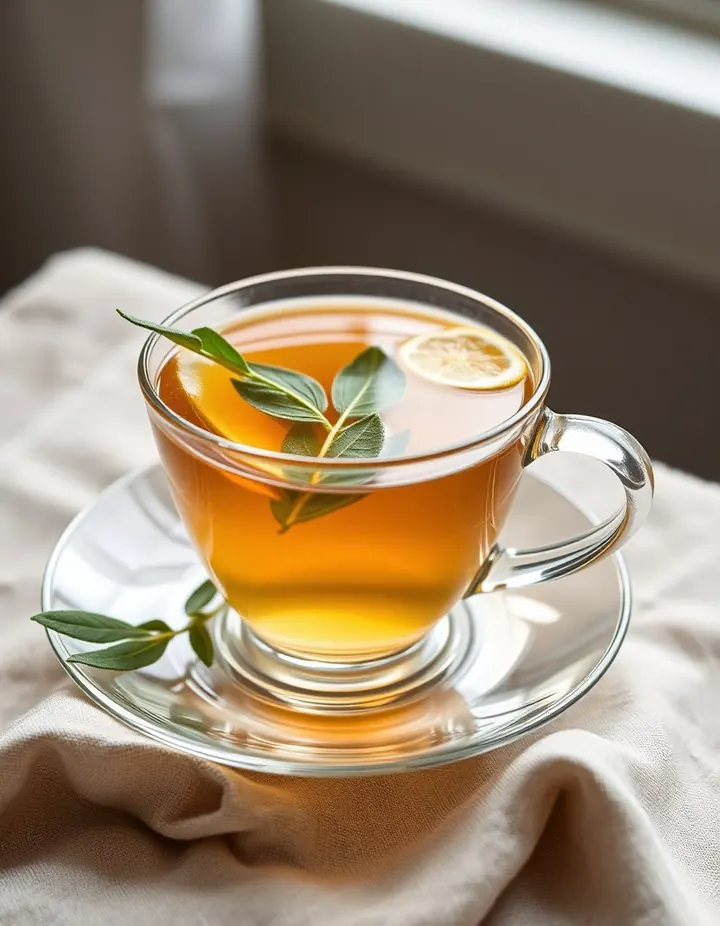 Sage Tea7 recipes
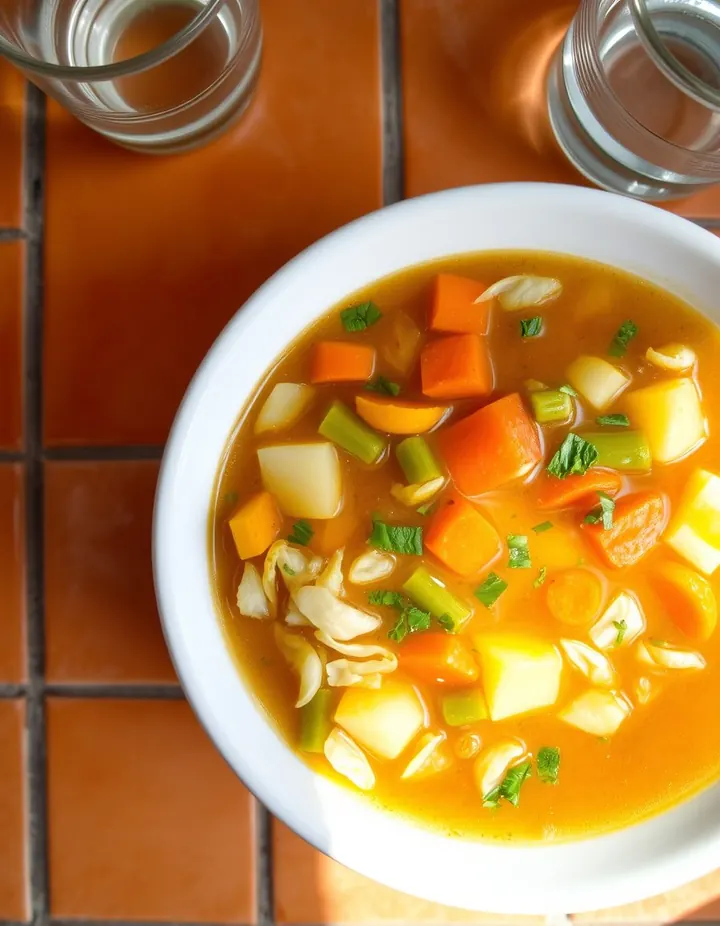 Vegetable Soup350 recipes
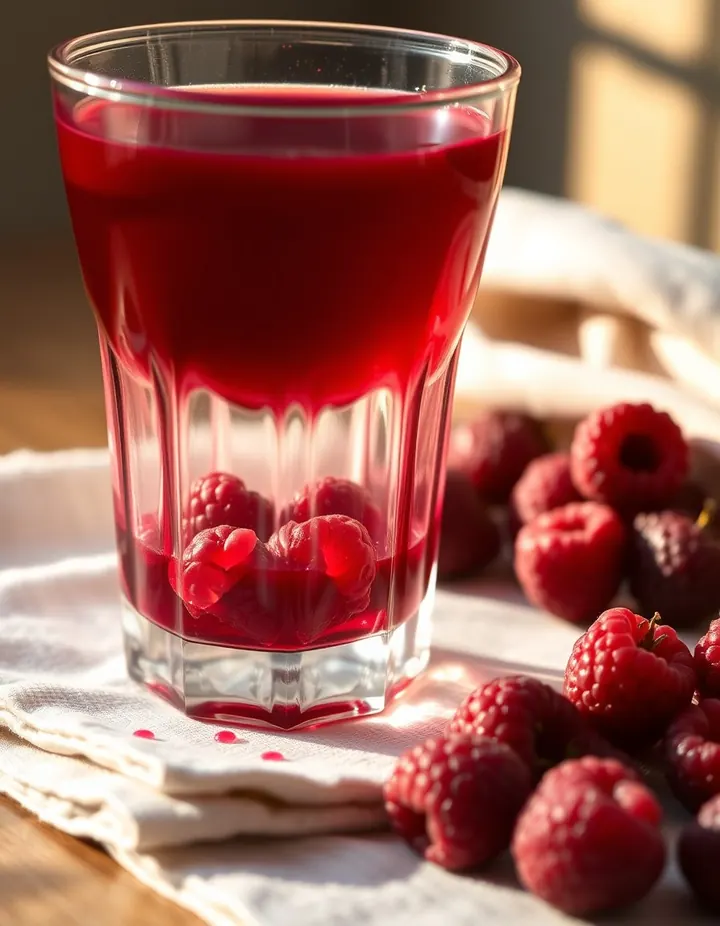 Raspberry Vinegar214 recipes
The free Flavor Lab newsletter: one surprising pairing a week and the molecular reason it works, in 60 seconds. No spam, unsubscribe anytime.
Prefer an account? Create a free account to save pairings and unlock the full chemistry.