Why it works: Cinnamon and angelica share more aroma than cooks usually use. They rank in the top 5% of all ingredient pairs, and cooks put them together in 80 recipes. Both carry alpha-pinene, which smells pine, turpentine. The science ↓
Essence of Absinthe
Ingredients
Directions
Macerate
Macerate the absinthe, juniper, cinnamon, and angelica root for twelve days.
Distill
Distill the mixture to draw off 3.5 L of the product.
Redistill slowly to obtain 3.5 L of the final product.
Transcribed from a scanned cookbook and modernised for today's kitchens. Where the book gave no heat or time, or said "a moderate oven", the temperatures and times here may be modern equivalents rather than the book's own figures.
Explore the science
The flavor team
The pairs that carry this dish. Each one is judged two ways: how much their aromas overlap, and how often cooks already put them together.
-
Cinnamon + angelicatop 5% of all pairsSmell alikestrongCooked together80 recipes
Shared aroma: alpha-pinene (pine, turpentine).
Ranks compare each pair with 20,000 random ingredient pairs on CompKitchen. How we score pairs
What each ingredient does
- Absinthe
- Supplies the characteristic bitter herbal flavour that defines the final spirit.
- Juniper
- Adds resinous, piney aroma that gives the spirit its distinctive character.
- Ceylon cinnamon
- Contributes warm, sweet aromatic notes that round out the botanical blend.
- Angelica root
- Adds earthy, musky aroma that deepens the herbal profile.
- Alcohol
- Acts as the solvent that extracts aromatic compounds from the botanicals during maceration.
The step that matters
Redistill slowly. Slow distillation lets the volatile aromatics separate cleanly, so the early and late fractions are trimmed and the spirit tastes smoother and more balanced. Rushing the run can carry harsh, off-flavoured compounds into the final product.
“What each ingredient does” and “The step that matters” were written by Claude from this recipe’s own method and reviewed in samples by CompKitchen.
You might also like
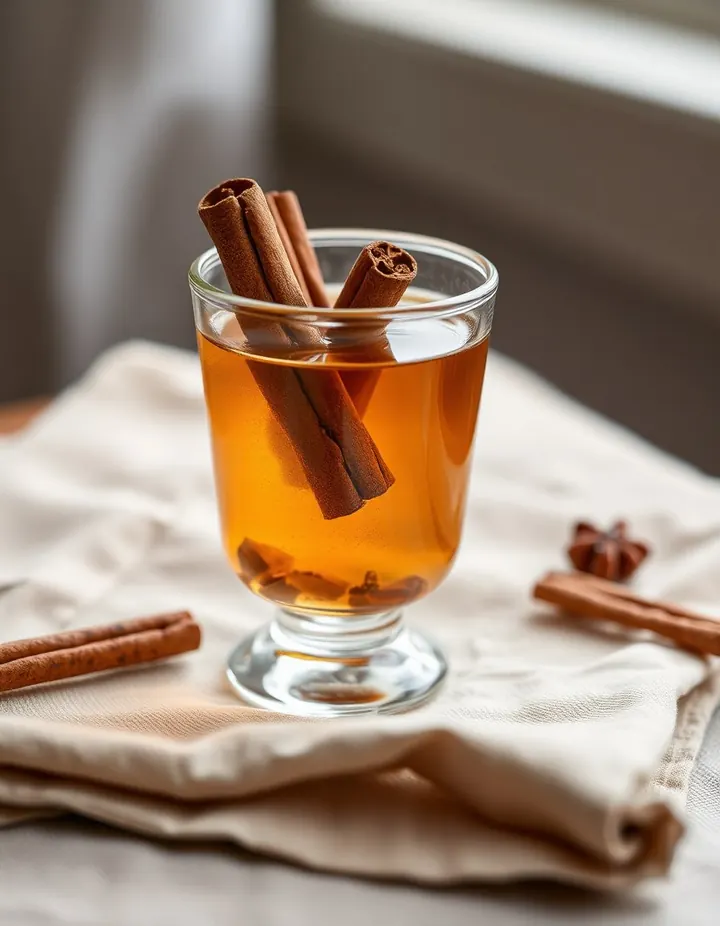 Cinnamon Tincture10 recipes
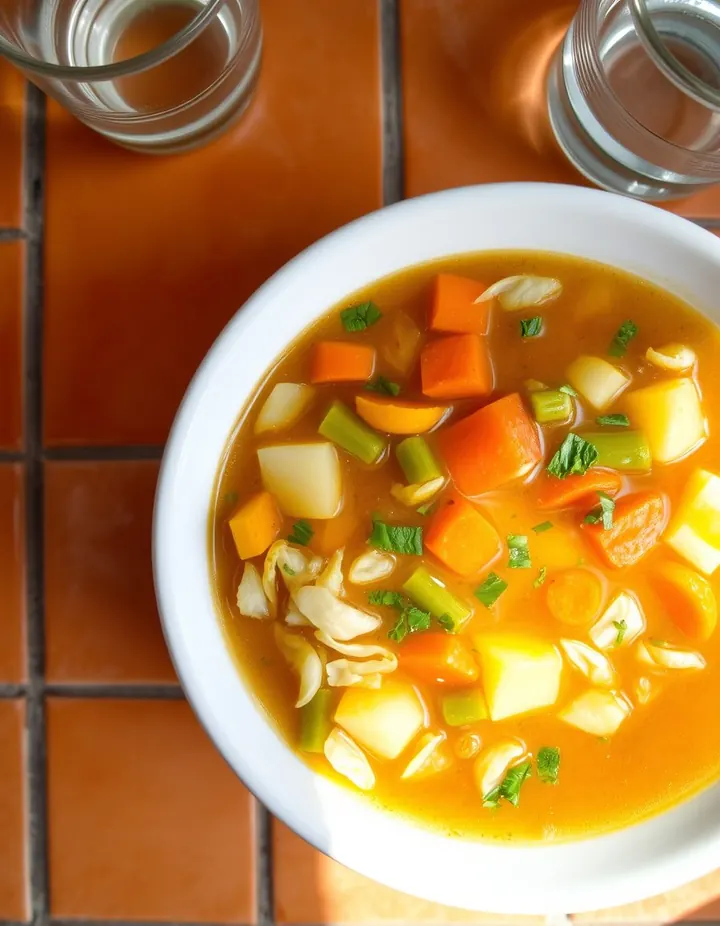 Vegetable Soup350 recipes
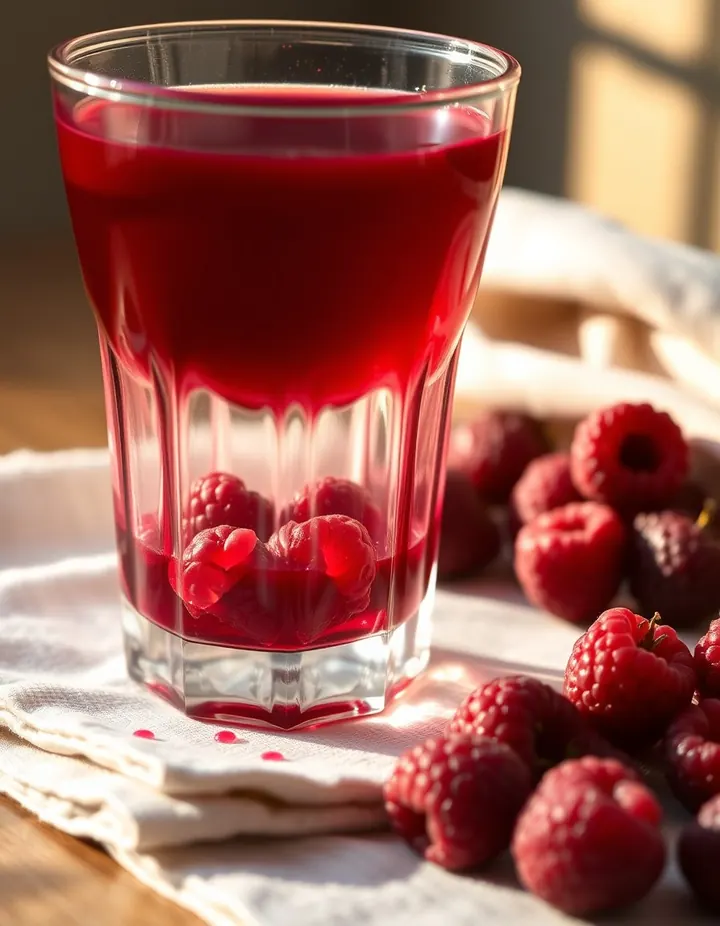 Raspberry Vinegar214 recipes
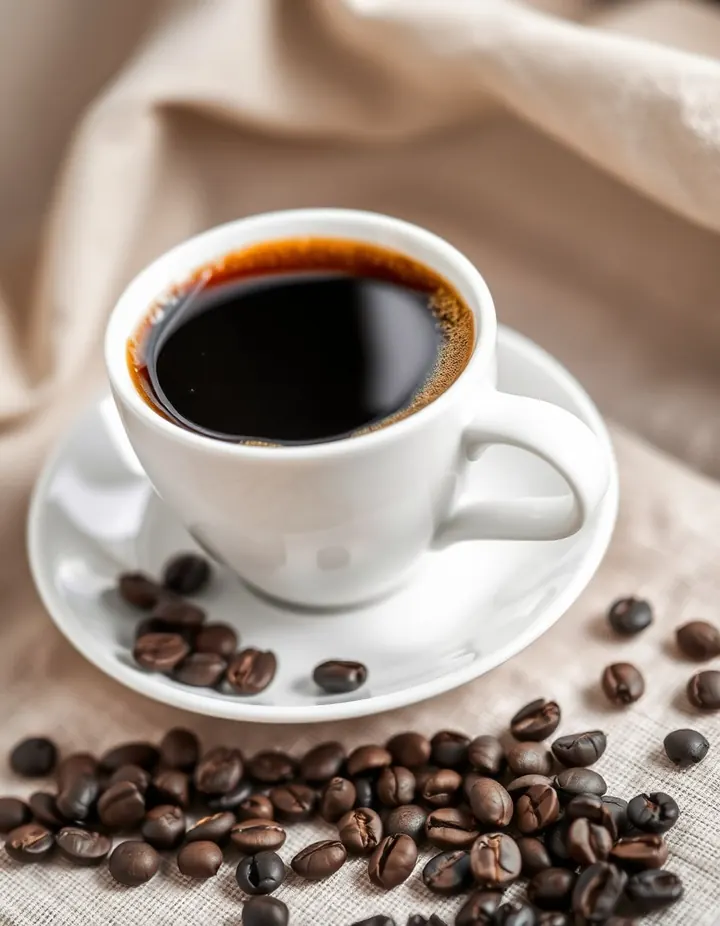 Brown Coffee with Egg175 recipes
The free Flavor Lab newsletter: one surprising pairing a week and the molecular reason it works, in 60 seconds. No spam, unsubscribe anytime.
Prefer an account? Create a free account to save pairings and unlock the full chemistry.