Why it works: Angelica and anise share more aroma than cooks usually use. They rank in the top 10% of all ingredient pairs, and cooks put them together in 3 recipes. Both carry alpha-pinene, which smells pine, turpentine. The science ↓
Absinthe
10 liters at 40°Ingredients
Directions
Prepare
Cut the greater absinthe, lesser absinthe, hyssop, balm mint, angelica roots, and green anise finely.
Macerate the herbs with 2 liters of alcohol for 24 hours.
Distill and dilute
Distill the mixture with 2 liters of water.
Draw off 2 liters and 30 c.c. of the liquor.
Add 3 liters and 500 c.c. of alcohol and 4 liters and 200 c.c. of water to obtain 10 liters at 40°.
Color the absinthe as desired.
Transcribed from a scanned cookbook and modernised for today's kitchens. Where the book gave no heat or time, or said "a moderate oven", the temperatures and times here may be modern equivalents rather than the book's own figures.
Explore the science
The flavor team
The pairs that carry this dish. Each one is judged two ways: how much their aromas overlap, and how often cooks already put them together.
-
Angelica + anisetop 10% of all pairsSmell alikestrongCooked together3 recipes
Shared aroma: alpha-pinene (pine, turpentine).
-
Mint + angelicatop 11% of all pairsSmell alikemoderateCooked together11 recipes
Shared aroma: alpha-pinene (pine, turpentine).
-
Mint + anisetop 13% of all pairsSmell alikemoderateCooked together11 recipes
Shared aroma: alpha-pinene (pine, turpentine).
Ranks compare each pair with 20,000 random ingredient pairs on CompKitchen. How we score pairs
What each ingredient does
- Greater absinthe
- Provides the bitter, characteristic flavour that defines the absinthe.
- Lesser absinthe
- Adds additional bitterness and herbal depth to the infusion.
- Green anise
- Contributes the sweet, anise aroma that carries through the distillate.
- Alcohol
- Extracts the aromatic and bitter compounds from the herbs during maceration.
Swap the mint
How well each one fits the dish's main ingredients (angelica, anise):
- Cinnamonfits better
- Corianderfits better
- Nutmegfits better
- Mintthe original
Fit is the average pairing score against angelica, anise. Candidates are from the same food group and used in at least 100 recipes.
“What each ingredient does” and “The step that matters” were written by Claude from this recipe’s own method and reviewed in samples by CompKitchen.
You might also like
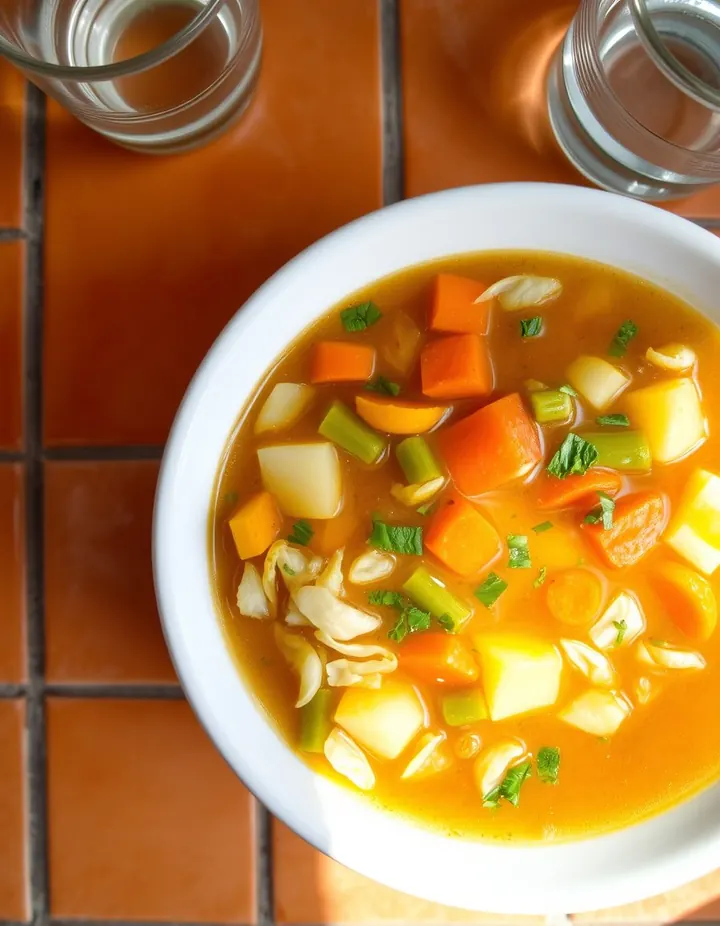 Vegetable Soup350 recipes
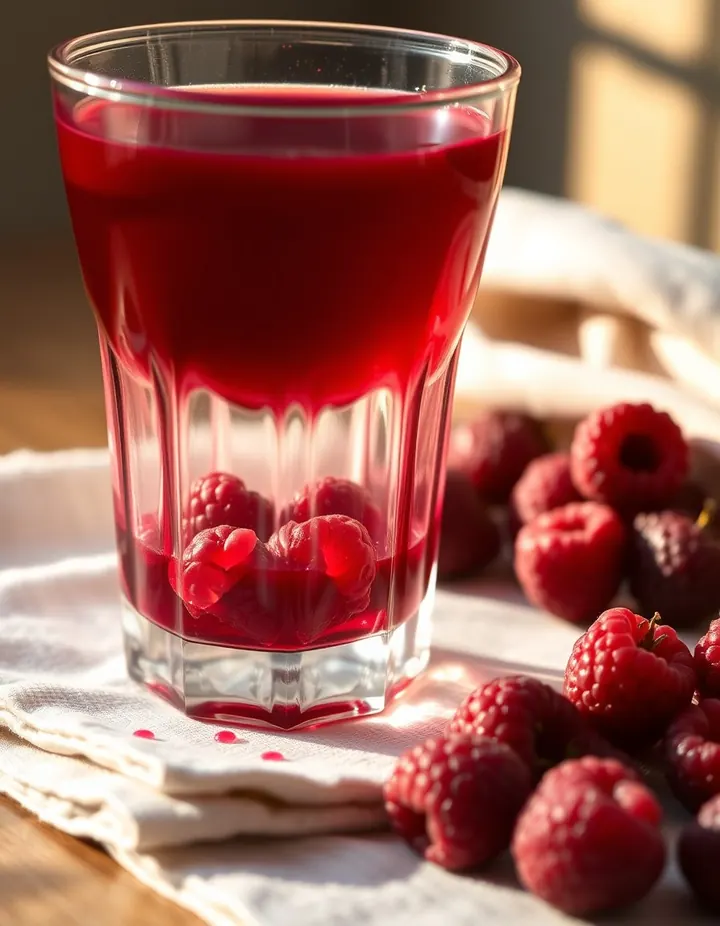 Raspberry Vinegar214 recipes
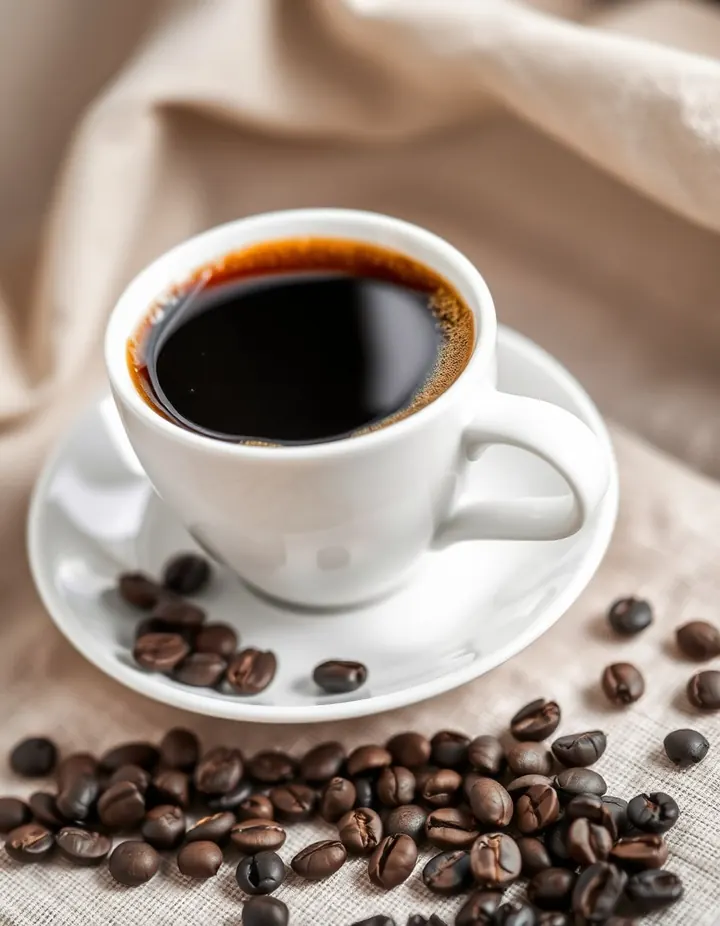 Brown Coffee with Egg175 recipes
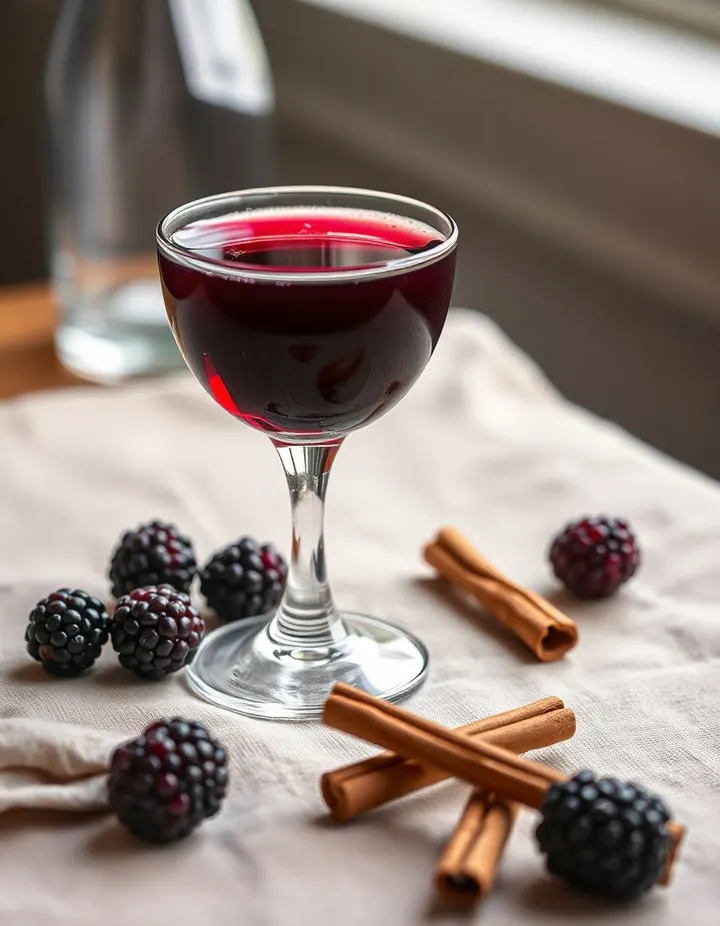 Blackberry Cordial129 recipes
The free Flavor Lab newsletter: one surprising pairing a week and the molecular reason it works, in 60 seconds. No spam, unsubscribe anytime.
Prefer an account? Create a free account to save pairings and unlock the full chemistry.