Why it works: Beans and ham work together. They rank in the top 22% of all ingredient pairs, and cooks put them together in 140 recipes. Both carry 2,3,5-trimethylpyrazine, which smells cocoa, roasted. The science ↓
Bean Soup
Ingredients
Directions
Prepare
Soak the beans in cold water for 12 hours.
Cook the soup
Place the beans, ham, and water in a kettle and boil slowly until the beans are very soft.
Remove the ham and beans from the liquid and mash the beans finely.
Return the ham and mashed beans to the liquid, add the soup stock and seasoning, and bring to a boil.
Can and process
Fill glass jars and tin cans while hot, partially sealing the glass jars.
Process for 2 hours using a hot-water bath, 90 minutes with a water-seal outfit, 75 minutes with a 5-pound steam-pressure outfit, or 60 minutes in a pressure cooker.
Transcribed from a scanned cookbook and modernised for today's kitchens. Where the book gave no heat or time, or said "a moderate oven", the temperatures and times here may be modern equivalents rather than the book's own figures.
Explore the science
The flavor team
The pairs that carry this dish. Each one is judged two ways: how much their aromas overlap, and how often cooks already put them together.
-
Beans + hamtop 22% of all pairsSmell alikelowCooked together140 recipes
Shared aroma: 2,3,5-trimethylpyrazine (cocoa, roasted).
Ranks compare each pair with 20,000 random ingredient pairs on CompKitchen. How we score pairs
What each ingredient does
- Beans
- Their starch thickens the soup body, especially once mashed and returned to the liquid.
- Ham
- Adds savory, meaty flavor and some fat that rounds out the broth.
- Soup stock
- Provides the main savory flavor base for the finished soup.
The step that matters
Processing the filled jars and cans. Beans are low-acid, so the heat must reach every part of the sealed container for the full time. Shorter or cooler processing can leave surviving microbes, including those that cause botulism, so the time for the chosen method should not be cut short.
“What each ingredient does” and “The step that matters” were written by Claude from this recipe’s own method and reviewed in samples by CompKitchen.
More bean soup recipes
You might also like
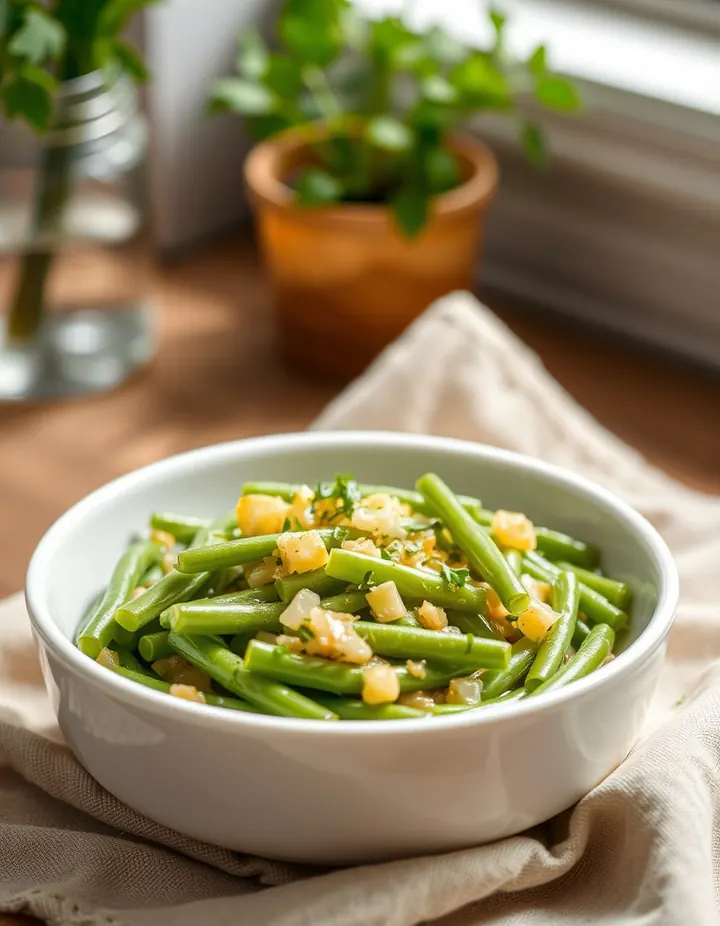 German Style String Beans7 recipes
 Tomato Soup526 recipes
 Brown Bread461 recipes
 Mutton Broth292 recipes
The free Flavor Lab newsletter: one surprising pairing a week and the molecular reason it works, in 60 seconds. No spam, unsubscribe anytime.
Prefer an account? Create a free account to save pairings and unlock the full chemistry.