Why it works: Grape and sugar are a kitchen classic. They rank in the top 23% of all ingredient pairs, and cooks put them together in 7,490 recipes. Both carry beta-damascenone, which smells apple, rose. The science ↓
Grape Juice
Ingredients
Directions
The book says “a moderate oven”. The 350°F (175°C) in the steps is the modern equivalent, not the book's own figure.
Prepare the juice
Wash the grapes and remove them from the stems.
Place the grapes in a preserving kettle and crush them slightly.
Heat slowly and boil gently for 30 minutes, crushing the fruit with a wooden spoon.
Set a sieve or colander over a large bowl and line it with cheesecloth.
Pour the fruit and juice into the cheesecloth and drain well.
Twist the cheesecloth to extract all the juice.
Sweeten and bottle
Transfer the strained juice to a clean preserving kettle and bring to a boil.
Skim off any foam, then boil again and skim once more.
Add the sugar and stir until dissolved, then boil for 5 minutes, skimming carefully.
Fill hot sterilized jars or bottles with the juice.
Place the jars in a 350°F (175°C) oven for 10 minutes in pans of boiling water.
Pour a little boiling juice into the jars as they are taken from the oven, then seal.
Store the jars in a cool place away from drafts.
Transcribed from a scanned cookbook and modernised for today's kitchens. Where the book gave no heat or time, or said "a moderate oven", the temperatures and times here may be modern equivalents rather than the book's own figures.
Explore the science
The flavor team
The pairs that carry this dish. Each one is judged two ways: how much their aromas overlap, and how often cooks already put them together.
-
Grape + sugartop 23% of all pairsSmell alikelowCooked together7,490 recipes
Shared aroma: beta-damascenone (apple, rose).
Ranks compare each pair with 20,000 random ingredient pairs on CompKitchen. How we score pairs
What each ingredient does
- Grapes
- Provide the juice and flavor that make up the drink itself.
- Sugar
- Adds sweetness and balances the tartness of the grape juice.
The step that matters
Skimming the foam while boiling the juice. Foam rises from proteins and pulp released during boiling. Skimming it before and after sweetening keeps the juice clear and stops residue from spoiling the stored product.
“What each ingredient does” and “The step that matters” were written by Claude from this recipe’s own method and reviewed in samples by CompKitchen.
More grape juice recipes
You might also like
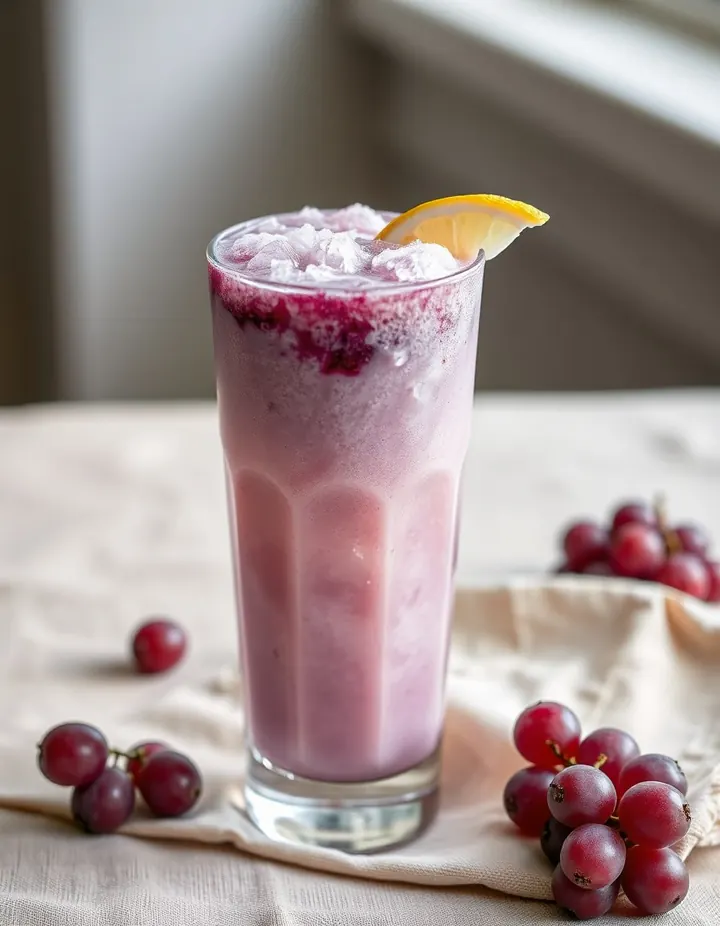 Grape Frappe10 recipes
 Vegetable Soup350 recipes
 Raspberry Vinegar214 recipes
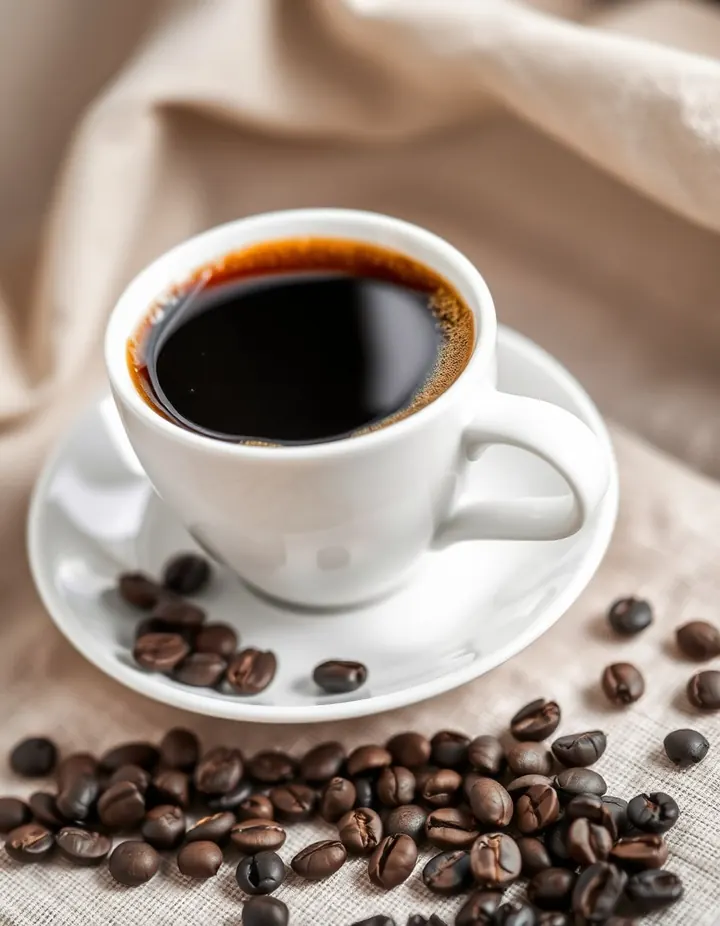 Brown Coffee with Egg175 recipes
The free Flavor Lab newsletter: one surprising pairing a week and the molecular reason it works, in 60 seconds. No spam, unsubscribe anytime.
Prefer an account? Create a free account to save pairings and unlock the full chemistry.