Why it works: Pepper and clove match in chemistry and in kitchens. They rank in the top 5% of all ingredient pairs, and cooks put them together in 17,451 recipes. Both carry ethyl octanoate, which smells fruity, wine. The science ↓
Collared Salmon
Ingredients
Directions
Prepare the fish
Scale the fish.
Remove the fins.
Cut off the head, leaving 2 inches of jowl.
Cut off the tail, leaving 6 inches.
Open the fish at the back.
Remove the bone.
Wipe it clean.
Sprinkle sifted loaf sugar over the fish. Let it sit for 6 hours.
Replenish the sugar before leaving it overnight.
Cut the fish down the middle to create two sides for curing.
Make the paste
Pound the shrimps with the anchovy.
Mix in Cayenne pepper, mace, cloves, bay leaves, table salt, and a little boiled water to form a smooth paste.
Spread the paste evenly over the red surface of the fish, starting at the head.
Shape and cure
Roll it into a firm collar.
Bind the collar tightly with broad tape.
Sew it in strong calico or light canvas.
Let it cure for 2-3 days.
Cook, smoke and hang
Plunge it into boiling water with saltpetre and salt (1 lb salt to each ½ gallon of water). Once cooked, cool it on a sieve.
Dry it gradually over a slow fire in the chimney for a day.
Smoke the fish with Beech chips, Fern, and Oak for a week.
After cooling, remove the cloth.
Hang it in a dry place to solidify.
Transcribed from a scanned cookbook and modernised for today's kitchens. Where the book gave no heat or time, or said "a moderate oven", the temperatures and times here may be modern equivalents rather than the book's own figures.
Explore the science
The flavor team
The pairs that carry this dish. Each one is judged two ways: how much their aromas overlap, and how often cooks already put them together.
-
Pepper + clovetop 5% of all pairsSmell alikestrongCooked together17,451 recipes
Shared aroma: ethyl octanoate (fruity, wine).
-
Mace + clovetop 6% of all pairsSmell alikelowCooked together8,400 recipes
Shared aroma: methyleugenol (clove, spice).
-
Fish + anchovytop 9% of all pairsSmell alikelowCooked together637 recipes
Shared aroma: decanal (soap, orange peel).
-
Shrimp + anchovytop 10% of all pairsSmell alikemoderateCooked together440 recipes
Shared aroma: hexanol (green, fruity).
-
Fish + shrimptop 13% of all pairsSmell alikemoderateCooked together252 recipes
Shared aroma: (z)-4-heptenal (biscuit, cream).
Ranks compare each pair with 20,000 random ingredient pairs on CompKitchen. How we score pairs
What each ingredient does
- Fish
- Forms the body of the collar, and its flesh sets firm as it cures and dries.
- Sugar (in the method)
- Draws moisture from the fish and adds a mild sweetness during the first curing stage.
- Shrimps
- Add savoury flavour and body to the paste spread over the fish.
- Table salt
- Draws out moisture and seasons the fish, helping it cure and keep.
- Saltpetre
- Helps preserve the colour of the cured flesh during cooking.
- Cayenne pepper
- Adds heat and pungency to the spiced paste.
The step that matters
Plunge it into boiling water with saltpetre and salt. Boiling the collar must be timed so the fish cooks through without falling apart or becoming tough. The brine concentration also matters for seasoning and preservation.
Swap the mace
How well each one fits the dish's main ingredients (fish, shrimp, anchovy, pepper, clove):
- Capersfits better
- Parsleyfits better
- Thymefits better
- Macethe original
Fit is the average pairing score against fish, shrimp, anchovy, pepper, clove. Candidates are from the same food group and used in at least 100 recipes.
“What each ingredient does” and “The step that matters” were written by Claude from this recipe’s own method and reviewed in samples by CompKitchen.
You might also like
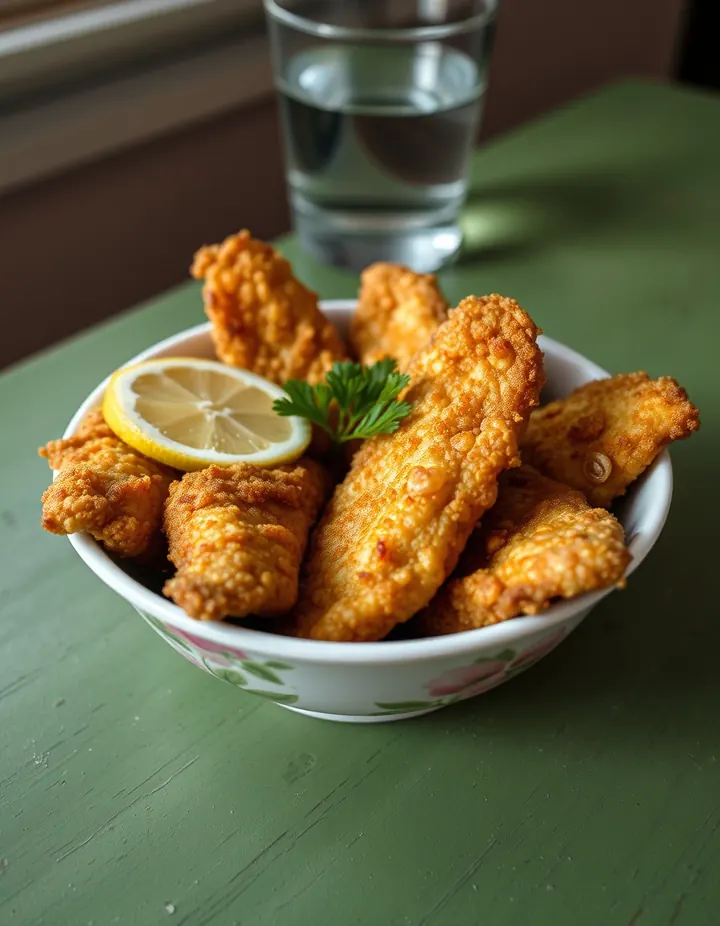 Fried Fish120 recipes
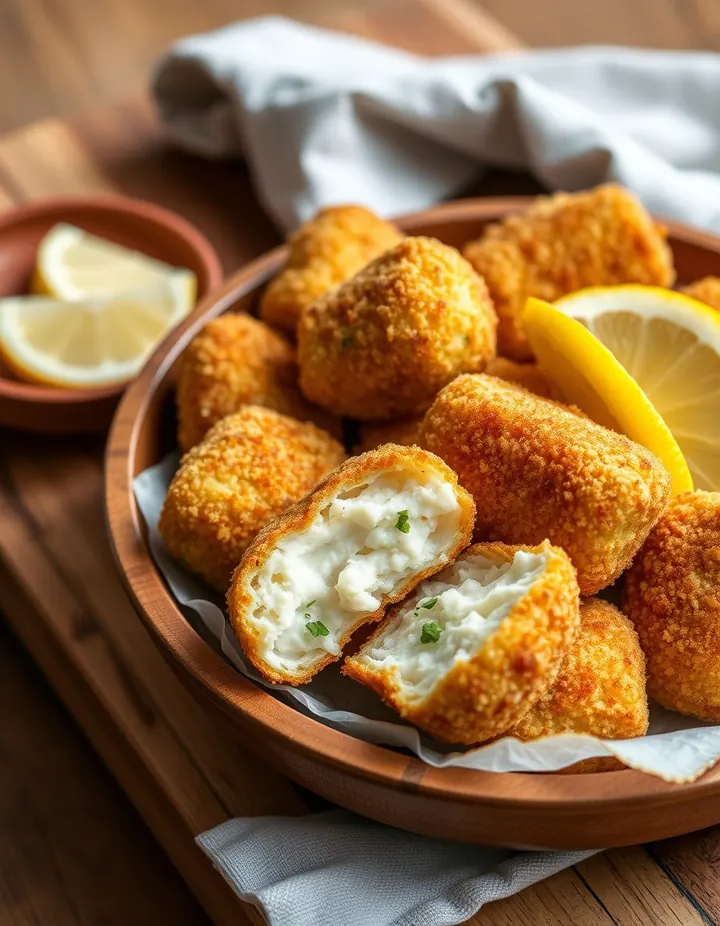 Fish Croquettes81 recipes
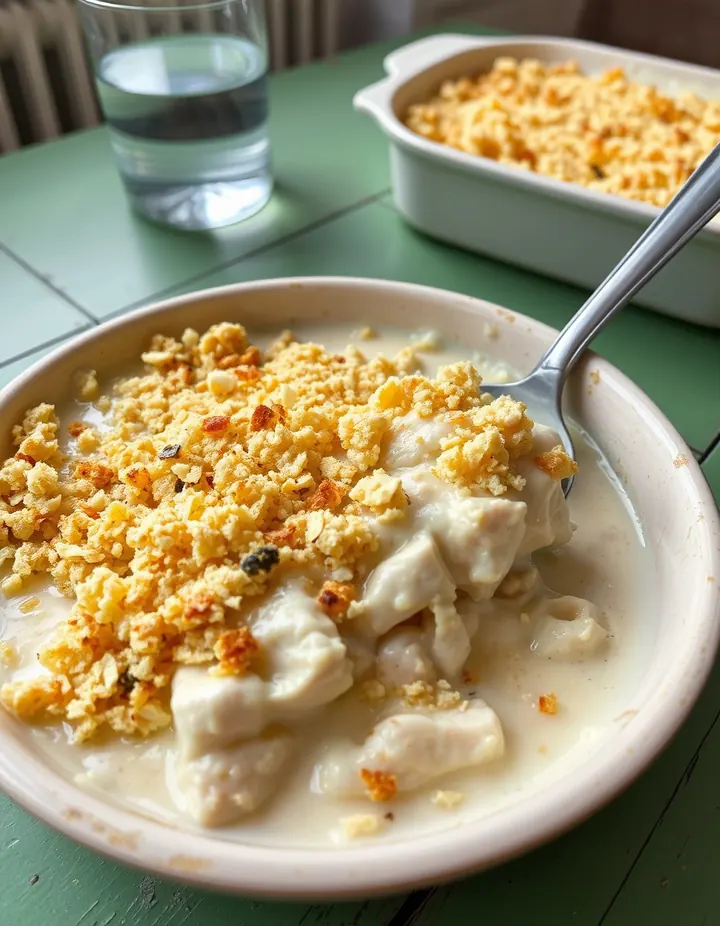 Scalloped Cod69 recipes
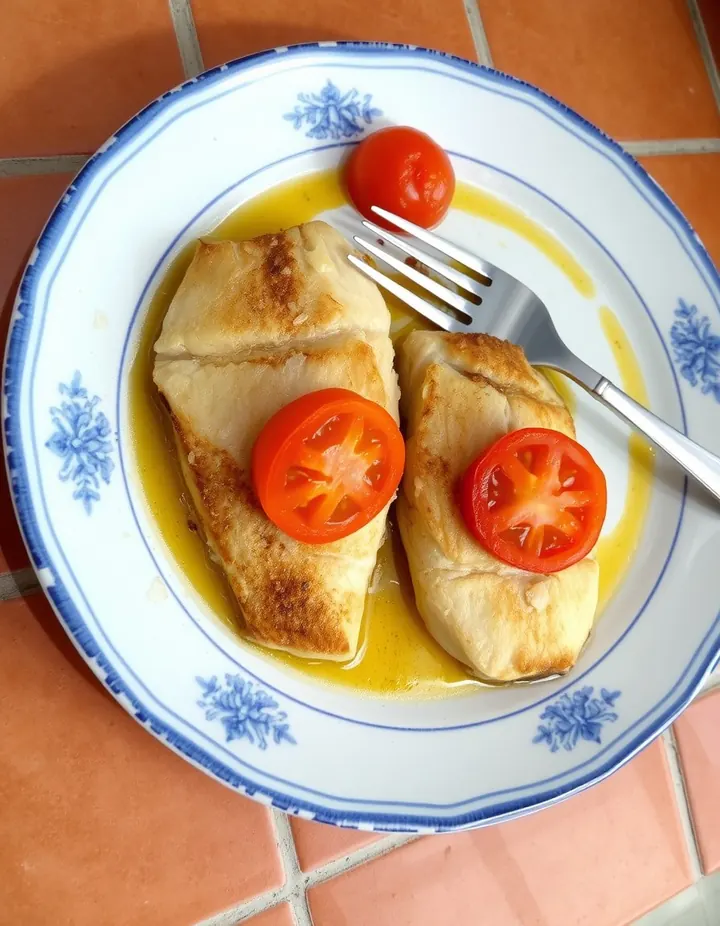 Broiled Fish68 recipes
The free Flavor Lab newsletter: one surprising pairing a week and the molecular reason it works, in 60 seconds. No spam, unsubscribe anytime.
Prefer an account? Create a free account to save pairings and unlock the full chemistry.