Why it works: Clove and nutmeg match in chemistry and in kitchens. They rank in the top 1% of all ingredient pairs, and cooks put them together in 8,686 recipes. Both carry estragole, which smells anise, licorice. The science ↓
Side of Venison Collared
Ingredients
Directions
The book gives no oven temperature. The 300°F (150°C) in the steps was added when the recipe was transcribed, as a starting point.
Prepare the venison
Mix mace, cloves, nutmeg, white pepper, coarse sea salt, common salt, and bay leaves.
Dry the venison with cloths and pack it down for 48 hours.
Cut channels in the venison and insert bacon slices 2.5 inches apart.
Roll the venison into collars and bind tightly with tape, sewing with unbleached calico.
Bake and drain
Lay paper shavings in a deep jar, add laurel and bay leaves, and place the collars on top.
Pour ½ pint of water into the jar.
Cover the jar with doubled paper.
Bake at 300°F (150°C) for at least 3 hours.
While warm, pour off the gravy.
Let the collars drain overnight.
Wipe the collars dry.
Pot and store
Place the collars in a jar that fits without squeezing.
Melt ¼ lb of clarified mutton suet with 12 oz of sweet lard.
Pour the melted suet and lard over the meat to a thickness of 2 inches.
Tie a wet bladder over the jar.
Store in a cold, airy room for at least 2 months.
To serve, place the jar in boiling water for 20 minutes to remove a collar.
Transcribed from a scanned cookbook and modernised for today's kitchens. Where the book gave no heat or time, or said "a moderate oven", the temperatures and times here may be modern equivalents rather than the book's own figures.
Explore the science
The flavor team
The pairs that carry this dish. Each one is judged two ways: how much their aromas overlap, and how often cooks already put them together.
-
Clove + nutmegtop 1% of all pairsSmell alikestrongCooked together8,686 recipes
Shared aroma: estragole (anise, licorice).
-
Clove + laureltop 1% of all pairsSmell alikemoderateCooked together3,516 recipes
Shared aroma: estragole (anise, licorice).
-
Mace + nutmegtop 4% of all pairsSmell alikemoderateCooked together6,557 recipes
Shared aroma: myristicin (spice, warm).
-
Mace + clovetop 6% of all pairsSmell alikelowCooked together8,400 recipes
Shared aroma: methyleugenol (clove, spice).
-
Nutmeg + laureltop 8% of all pairsSmell alikestrongCooked together872 recipes
Shared aroma: estragole (anise, licorice).
Ranks compare each pair with 20,000 random ingredient pairs on CompKitchen. How we score pairs
What each ingredient does
- Venison (in the method)
- Forms the main meat that is rolled, cured and slowly baked into collars.
- Bacon
- Adds fat and moisture inside the lean venison as it cooks and matures.
- Coarse sea salt
- Draws out moisture and seasons the meat during the curing period.
- Clarified mutton suet
- Seals the cooked collars from air, adding fat that helps preserve them in storage.
- Sweet lard
- Adds fat to the sealing layer, keeping the meat protected and moist in the jar.
The step that matters
Baking the collars covered in water. Baking slowly in a covered jar with water keeps the lean venison from drying out and toughening. Pouring off the gravy while warm and draining well removes excess liquid that could spoil the meat during storage.
Swap the white pepper
How well each one fits the dish's main ingredients (mace, clove, nutmeg, laurel, mutton):
- Cinnamonfits better
- Allspicefits better
- Winter savoryfits better
- White pepperthe original
Fit is the average pairing score against mace, clove, nutmeg, laurel, mutton. Candidates are from the same food group and used in at least 100 recipes.
“What each ingredient does” and “The step that matters” were written by Claude from this recipe’s own method and reviewed in samples by CompKitchen.
You might also like
 Mutton Broth292 recipes
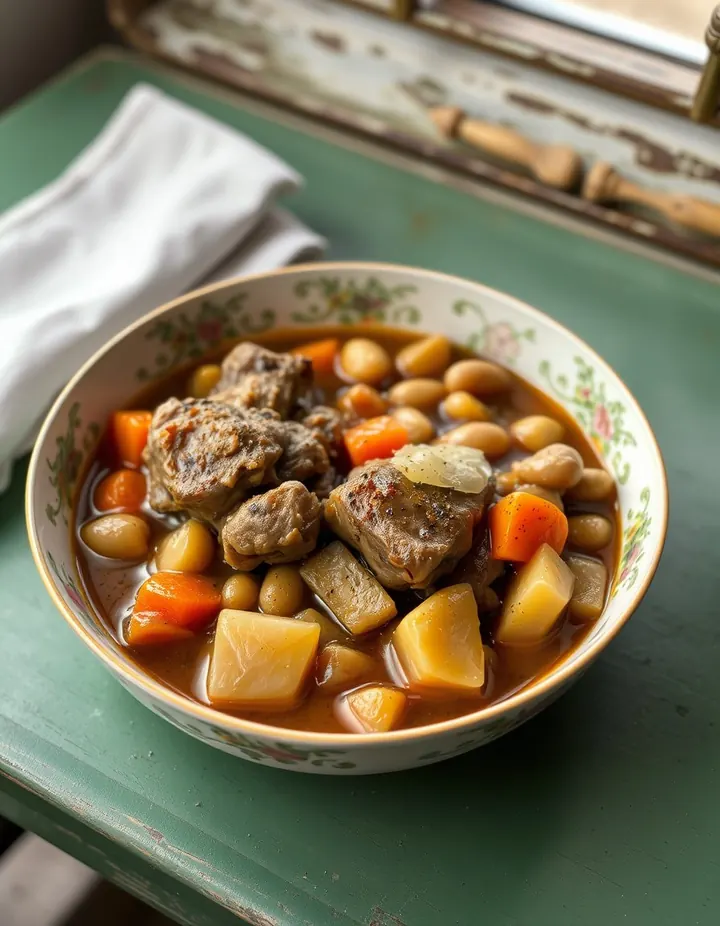 Haricot Mutton59 recipes
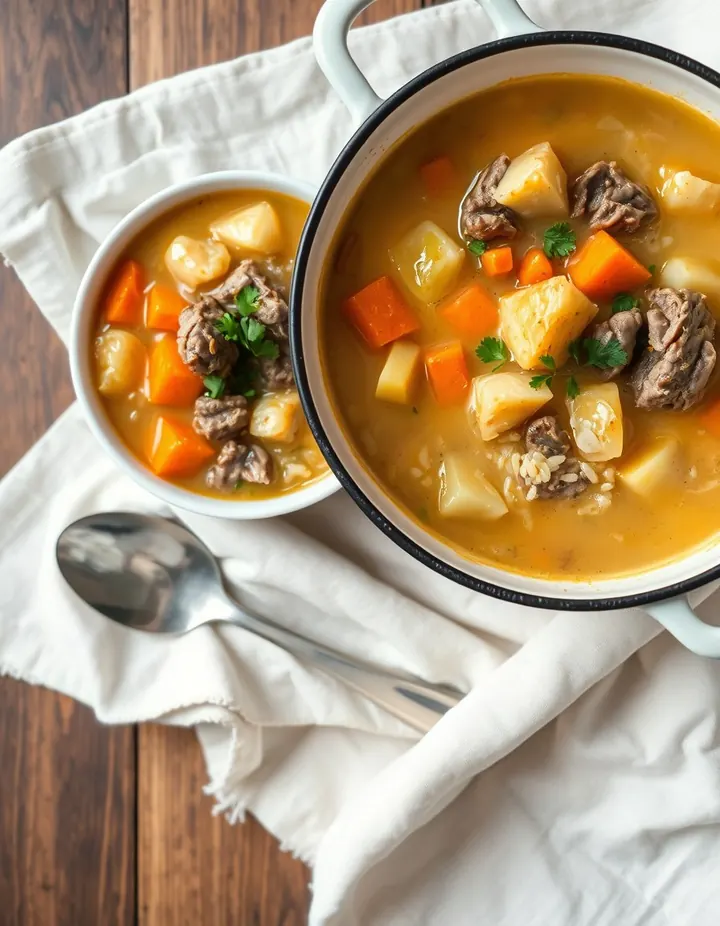 Mutton Soup56 recipes
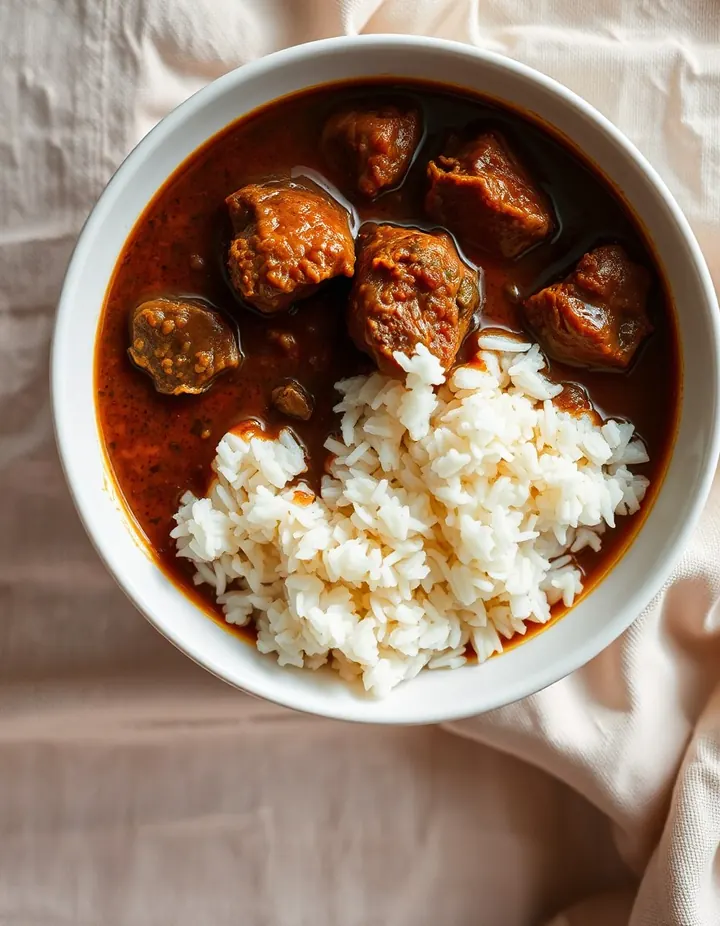 Curried Mutton9 recipes
The free Flavor Lab newsletter: one surprising pairing a week and the molecular reason it works, in 60 seconds. No spam, unsubscribe anytime.
Prefer an account? Create a free account to save pairings and unlock the full chemistry.