Why it works: Clove and ginger match in chemistry and in kitchens. They rank in the top 1% of all ingredient pairs, and cooks put them together in 6,038 recipes. Both carry estragole, which smells anise, licorice. The science ↓
Walnut Catsup
Ingredients
Directions
Steep the walnuts
Place ripe green walnut shells in a jar.
Cover the shells with strong cold vinegar and secure the jar tightly.
Let the mixture sit for twelve months.
After a year, strain the mixture and press the juice through a strong sieve.
Season and cook
For every gallon of liquid, add the anchovies, garlic, Jamaica pepper, cloves, mace, black pepper, and ginger.
Add the port wine lees and bring the mixture to a boil.
Simmer for ten minutes.
Skim the surface and let the mixture sit for twenty-four hours.
Boil the mixture again until it is reduced by half.
Bottle
Bottle the catsup.
Cork the bottle and seal with wax.
Transcribed from a scanned cookbook and modernised for today's kitchens. Where the book gave no heat or time, or said "a moderate oven", the temperatures and times here may be modern equivalents rather than the book's own figures.
Explore the science
The flavor team
The pairs that carry this dish. Each one is judged two ways: how much their aromas overlap, and how often cooks already put them together.
-
Clove + gingertop 1% of all pairsSmell alikestrongCooked together6,038 recipes
Shared aroma: estragole (anise, licorice).
-
Pepper + clovetop 5% of all pairsSmell alikestrongCooked together17,451 recipes
Shared aroma: ethyl octanoate (fruity, wine).
-
Garlic + gingertop 6% of all pairsSmell alikemoderateCooked together6,402 recipes
Shared aroma: beta-phellandrene (minty, terpene).
-
Clove + macetop 6% of all pairsSmell alikelowCooked together8,400 recipes
Shared aroma: methyleugenol (clove, spice).
-
Garlic + peppertop 8% of all pairsSmell alikemoderateCooked together27,090 recipes
Shared aroma: beta-phellandrene (minty, terpene).
Ranks compare each pair with 20,000 random ingredient pairs on CompKitchen. How we score pairs
What each ingredient does
- Green walnut shells
- Provide the main flavour base, extracted into the vinegar over a long steep.
- Strong vinegar
- Acts as the solvent and preservative, drawing out flavour from the shells over time.
- Anchovies
- Add deep savoury umami flavour that melts into the liquid during cooking.
- Garlic
- Adds pungent aroma and savoury depth to the finished sauce.
- Port wine lees
- Contribute body, sweetness and fermented depth to the sauce.
The step that matters
Reducing by half. Boiling down the liquid concentrates flavour and thickens the sauce. Stopping too early leaves it thin and less stable, while over-reducing can make it overly salty and harsh.
Swap the mace
How well each one fits the dish's main ingredients (walnut, vinegar, garlic, pepper, clove, ginger, port wine):
- Allspicefits better
- Cinnamonfits better
- Turmericfits better
- Macethe original
Fit is the average pairing score against walnut, vinegar, garlic, pepper, clove, ginger, port wine. Candidates are from the same food group and used in at least 100 recipes.
“What each ingredient does” and “The step that matters” were written by Claude from this recipe’s own method and reviewed in samples by CompKitchen.
You might also like
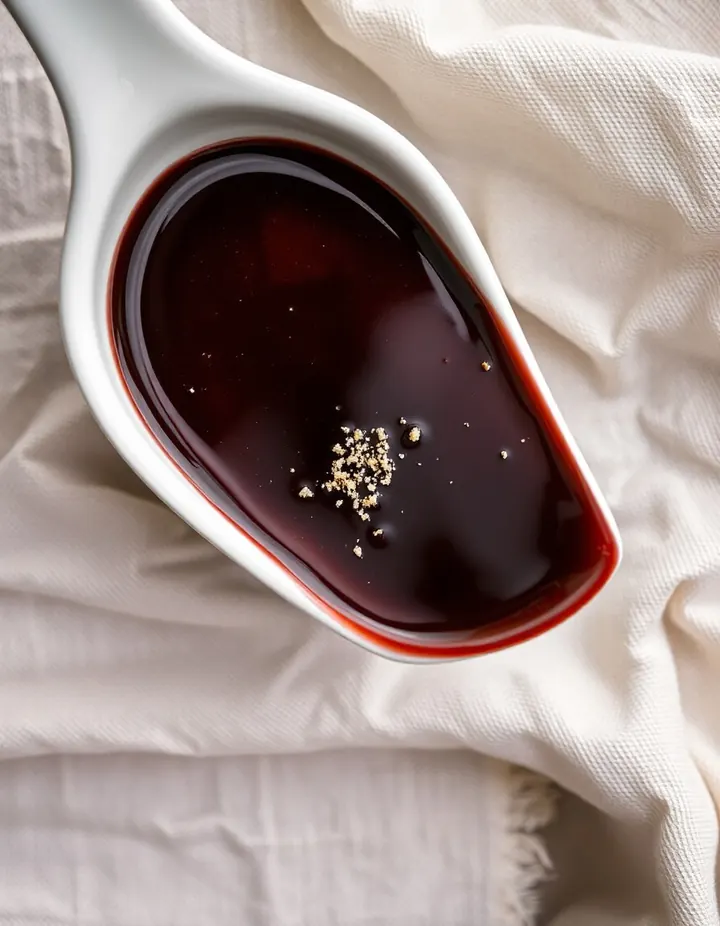 Wine Sauce (for stewed fruit)186 recipes
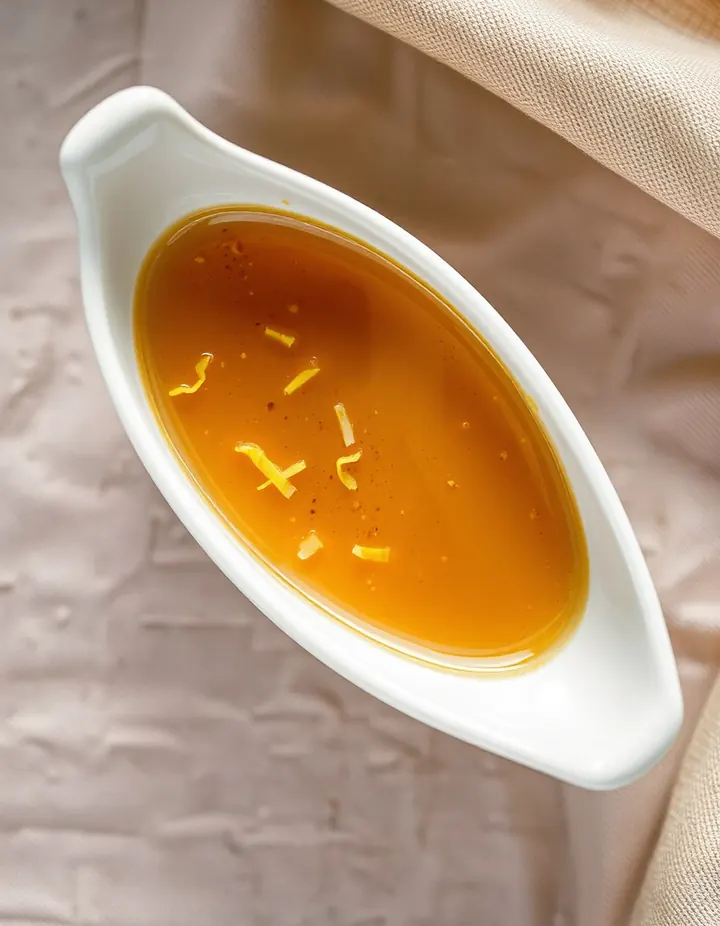 Ginger Sauce12 recipes
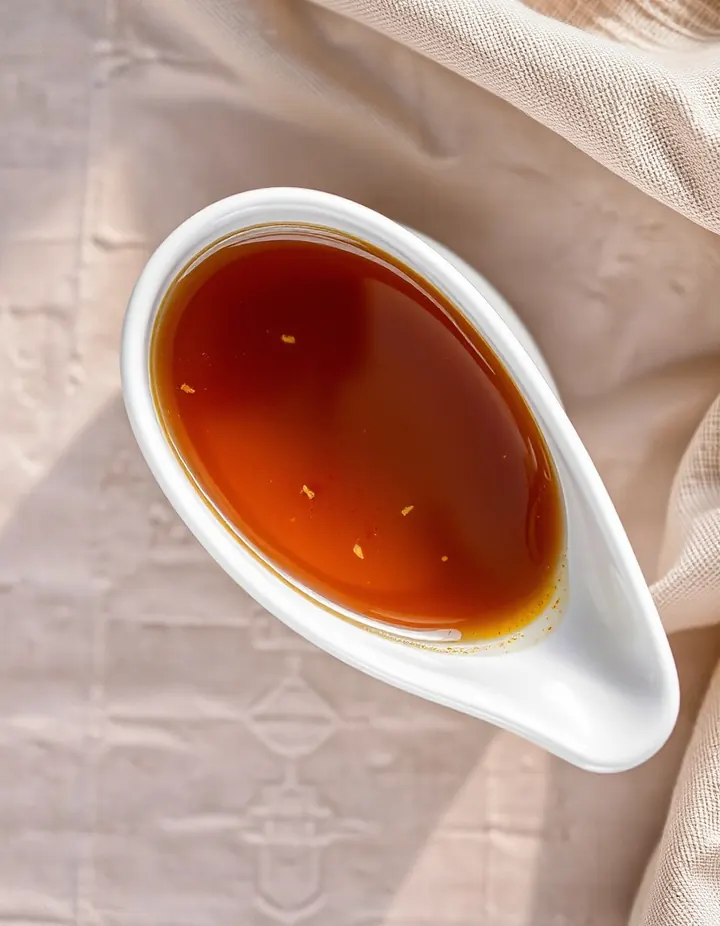 Wine Sauce for Sweet Puddings6 recipes
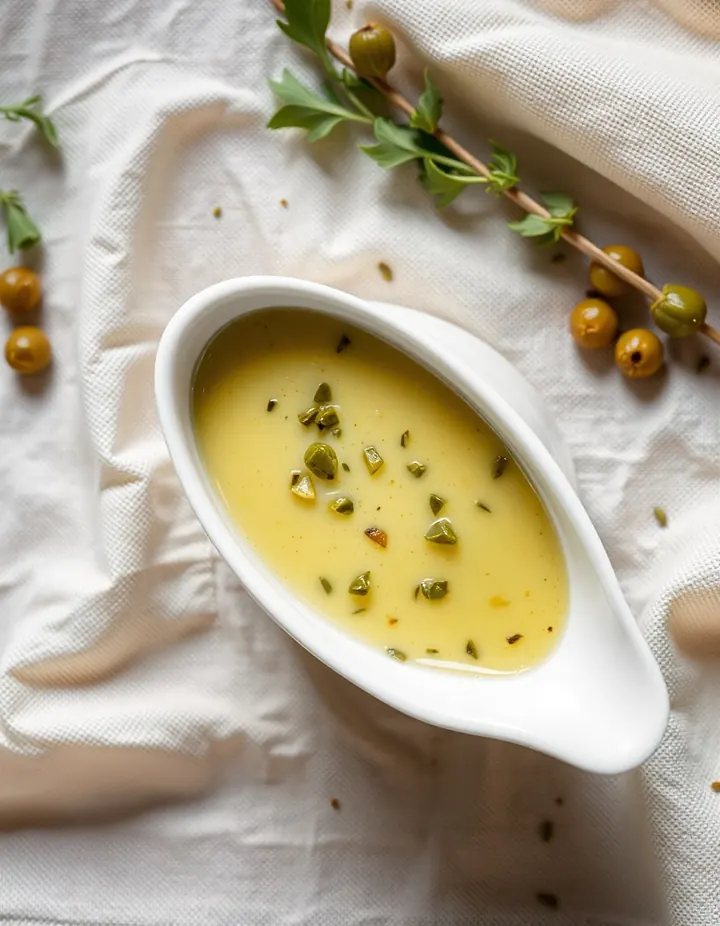 Caper Sauce180 recipes
The free Flavor Lab newsletter: one surprising pairing a week and the molecular reason it works, in 60 seconds. No spam, unsubscribe anytime.
Prefer an account? Create a free account to save pairings and unlock the full chemistry.