Why it works: Parsley and thyme match in chemistry and in kitchens. They rank in the top 1% of all ingredient pairs, and cooks put them together in 9,057 recipes. Both carry cuminaldehyde, which smells Spicy, cumin. The science ↓
Galantine
Ingredients
Directions
Assemble the galantine
Season the mixture with salt.
Layer half of the force-meat in a dish.
Add half of the truffles, calf's tongue, and fat of ham. Season lightly and cover with the remaining force-meat.
Add the rest of the truffles, fat of ham, and calf's tongue, seasoning lightly again. Cover with the last of the force-meat and shape it properly.
Sew it up and cover with bacon slices. Wrap in a linen cloth, tying tightly at both ends.
Braise
Line a stewpan with bacon slices and place the galantine inside.
Surround with onions, carrots, parsley, chives, thyme, laurel leaves, sweet basil, and cloves.
Add the bones, veal knuckles, and enough jelly or broth to cover the galantine. Pour in a glass of Madeira and two tablespoons of brandy.
Cover with buttered paper and bring to a boil over high heat. Reduce heat and simmer gently for three hours.
Remove from heat and let sit for an hour before carefully taking out the galantine.
Press and set
Place it breast-side down on a slightly convex dish and press lightly to remove excess liquid.
Cover with a lid and place a weight of eight on top.
Transcribed from a scanned cookbook and modernised for today's kitchens. Where the book gave no heat or time, or said "a moderate oven", the temperatures and times here may be modern equivalents rather than the book's own figures.
Explore the science
The flavor team
The pairs that carry this dish. Each one is judged two ways: how much their aromas overlap, and how often cooks already put them together.
-
Parsley + thymetop 1% of all pairsSmell alikestrongCooked together9,057 recipes
Shared aroma: cuminaldehyde (Spicy, cumin).
-
Carrot + parsleytop 1% of all pairsSmell alikestrongCooked together8,053 recipes
Shared aroma: 2,4-decadienal (seaweed).
-
Carrot + thymetop 3% of all pairsSmell alikestrongCooked together4,563 recipes
Shared aroma: cuminaldehyde (Spicy, cumin).
-
Parsley + chivetop 3% of all pairsSmell alikestrongCooked together2,150 recipes
Shared aroma: coumarin (sweet, hay).
-
Onion + chivetop 3% of all pairsSmell alikestrongCooked together1,907 recipes
Shared aroma: decanal (soap, orange peel).
Ranks compare each pair with 20,000 random ingredient pairs on CompKitchen. How we score pairs
What each ingredient does
- Force-meat
- Forms the bulk of the galantine and sets into a firm, sliceable body as it cooks.
- Truffles
- Adds a concentrated earthy aroma that perfumes the force-meat through the layers.
- Calf's tongue
- Contributes rich, tender meat and body to the interior layers.
- Fat of ham
- Adds fat that keeps the force-meat moist and gives it a richer mouthfeel.
- Knuckles of veal or calves' feet
- Releases gelatin into the cooking liquid, helping the jelly set firmly when chilled.
- Jelly or broth
- Provides the cooking liquid that gently poaches the galantine and carries flavour.
The step that matters
Simmer gently rather than boil. A vigorous boil toughens the proteins in the force-meat and can break the roll apart. A gentle simmer cooks it evenly and keeps the texture tender and the shape intact.
Swap the onion
How well each one fits the dish's main ingredients (meat, truffle, ham, carrot, parsley, chive, thyme):
- Shallotfits better
- Leekfits better
- Turnipfits better
- Onionthe original
Fit is the average pairing score against meat, truffle, ham, carrot, parsley, chive, thyme. Candidates are from the same food group and used in at least 100 recipes.
“What each ingredient does” and “The step that matters” were written by Claude from this recipe’s own method and reviewed in samples by CompKitchen.
More galantine recipes
You might also like
 Carrot Soup134 recipes
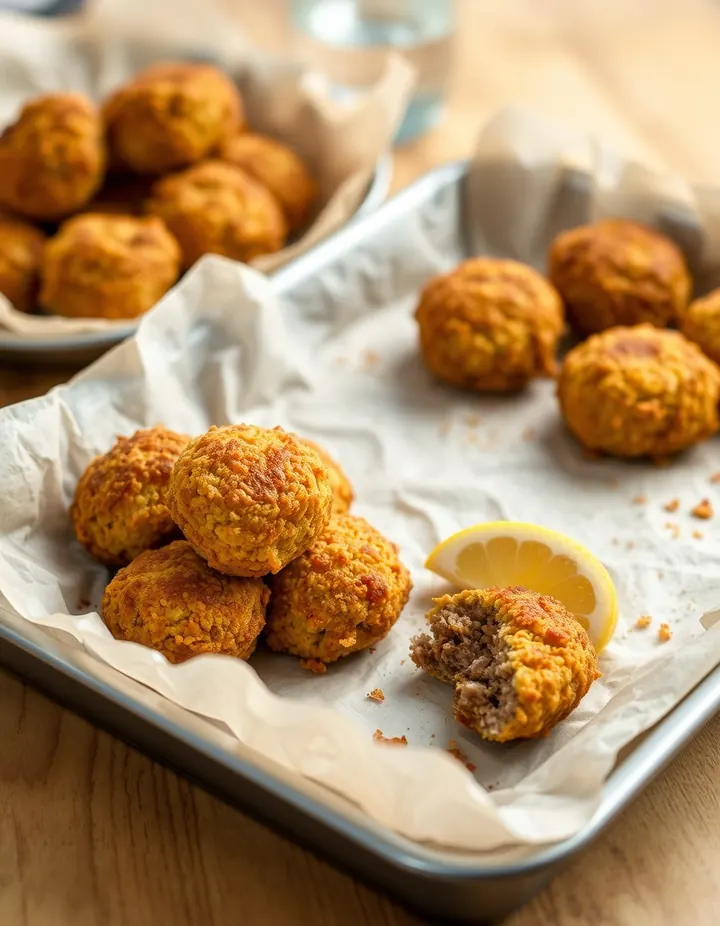 Meat Croquettes52 recipes
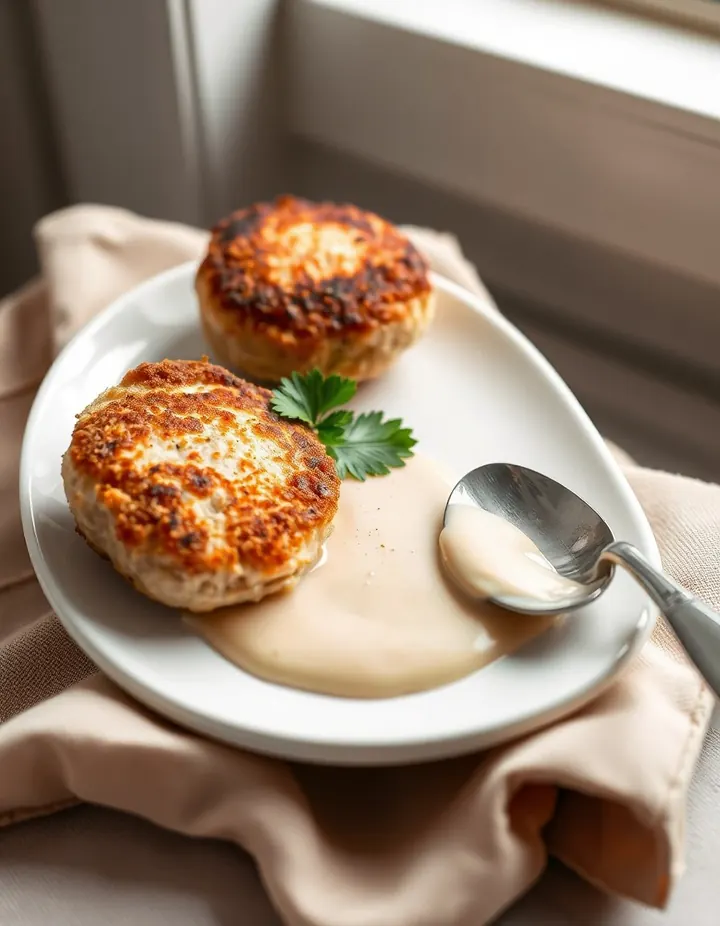 Veal Patties50 recipes
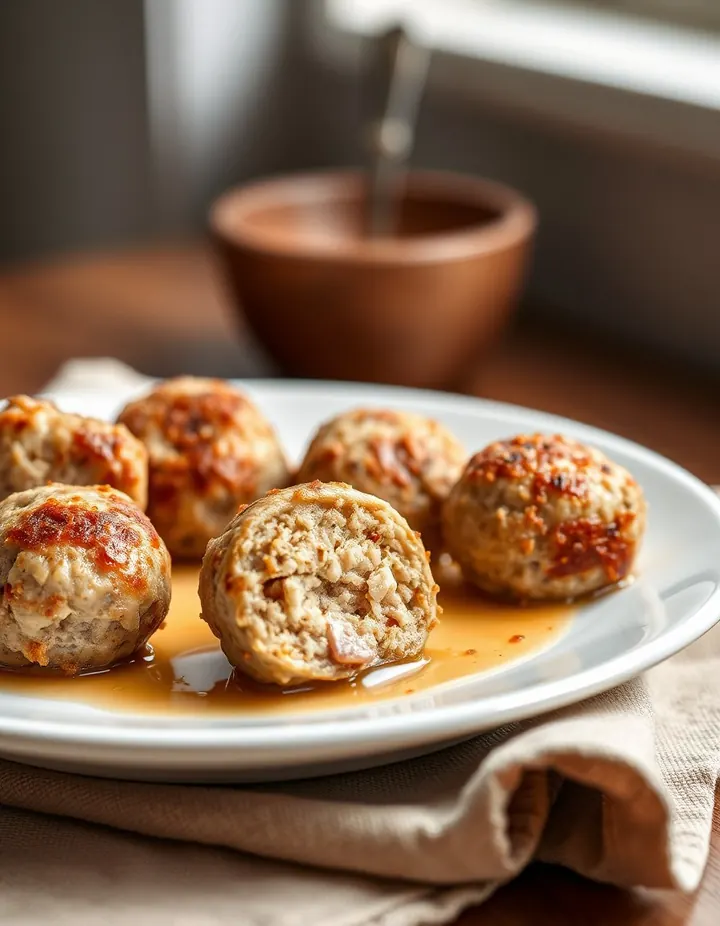 Meatballs37 recipes
The free Flavor Lab newsletter: one surprising pairing a week and the molecular reason it works, in 60 seconds. No spam, unsubscribe anytime.
Prefer an account? Create a free account to save pairings and unlock the full chemistry.