Why it works: Pistachio and apricot match in chemistry and in kitchens. They rank in the top 8% of all ingredient pairs, and cooks put them together in 188 recipes. Both carry alpha-pinene, which smells pine, turpentine. The science ↓
Ditto Round, with Pistachios
Ingredients
Directions
The book says “a moderate oven”. The 350°F (175°C) in the steps is the modern equivalent, not the book's own figure.
Prepare the pastry
Cut out 24 scalloped rounds from the pastry using a 2-inch cutter.
Roll out the pastry scraps to 1/12 inch thick.
Cut out 24 small rounds (1.5 inches wide) from the rolled pastry.
Cut out the centers of the small rounds to form rings.
Wet the tops of the rings.
Attach the wet rings to the scalloped pastry pieces.
Bake and glaze
Sprinkle fine sugar over the cakes.
Bake in a 350°F (175°C) oven until golden.
Mix egg white with sugar.
Mask the tops of the rings with the egg white mixture.
Decorate the rings with small oval pearls spaced 1/12 inch apart.
Cover the rings with fine sugar.
Let them dry in the oven without changing color.
Decorate and fill
Cut pistachios into strips.
Place one pistachio strip on each scallop of the ring, tilting slightly.
Add a small pearl of red currant jelly between each pistachio strip.
Add a small strip of jelly on the ring.
Fill the inside of the rings with apricot marmalade.
Transcribed from a scanned cookbook and modernised for today's kitchens. Where the book gave no heat or time, or said "a moderate oven", the temperatures and times here may be modern equivalents rather than the book's own figures.
Explore the science
The flavor team
The pairs that carry this dish. Each one is judged two ways: how much their aromas overlap, and how often cooks already put them together.
-
Pistachio + apricottop 8% of all pairsSmell alikestrongCooked together188 recipes
Shared aroma: alpha-pinene (pine, turpentine).
-
Apricot + red curranttop 9% of all pairsSmell alikemoderateCooked together58 recipes
Shared aroma: isoamyl acetate (banana, pear).
-
Pistachio + red curranttop 10% of all pairsSmell alikestrongCooked together20 recipes
Shared aroma: alpha-pinene (pine, turpentine).
-
Sugar + apricottop 18% of all pairsSmell alikelowCooked together3,630 recipes
Shared aroma: 2-nonenal (fatty, green).
-
Sugar + eggtop 21% of all pairsSmell alikemoderateCooked together122,807 recipes
Shared aroma: 2-nonenal (fatty, green).
Ranks compare each pair with 20,000 random ingredient pairs on CompKitchen. How we score pairs
What each ingredient does
- Pastry
- Forms the crisp, golden base and structure of each ring.
- Pistachios
- Provides flavor, color and a crunchy texture on the rings.
- Egg white
- Forms a glaze that helps the sugar adhere and dry to a crisp finish.
- Apricot marmalade
- Adds sweetness and fruity moisture to the filling in the centers.
- Red currant jelly
- Adds tart fruit flavor and a glossy decorative accent.
The step that matters
Let them dry in the oven without changing color. Drying at low heat without browning sets the egg white and sugar glaze into a crisp, glossy finish. Higher heat or longer baking would darken the sugar and cause it to brown or caramelize unevenly.
Swap the red currant
How well each one fits the dish's main ingredients (pistachio, sugar, egg, apricot):
- Vanillafits better
- Figfits better
- Cherryfits better
- Red currantthe original
Fit is the average pairing score against pistachio, sugar, egg, apricot. Candidates are from the same food group and used in at least 100 recipes.
“What each ingredient does” and “The step that matters” were written by Claude from this recipe’s own method and reviewed in samples by CompKitchen.
You might also like
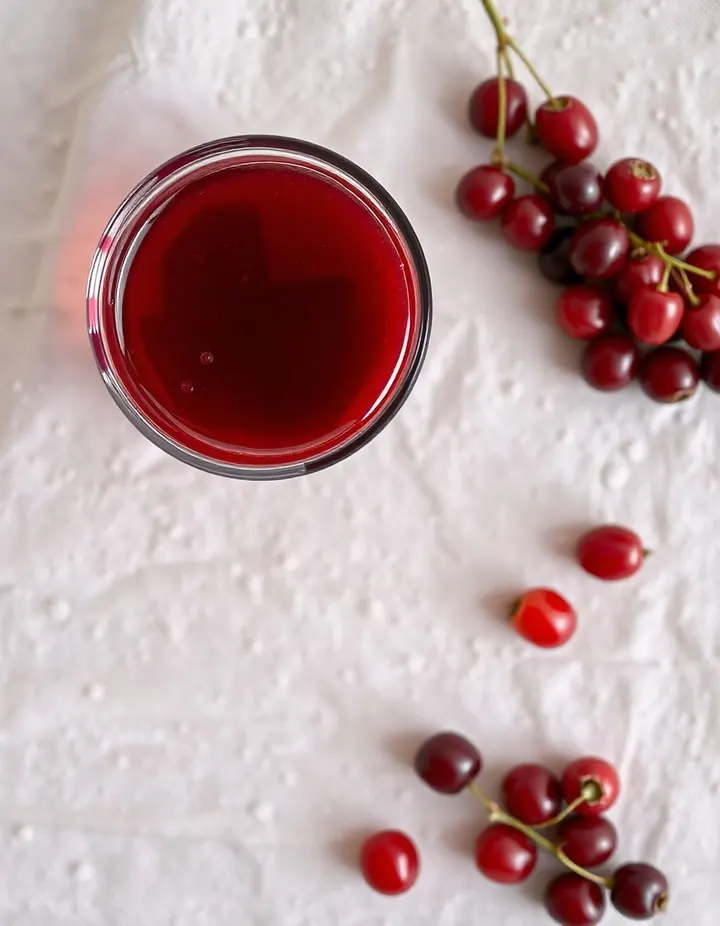 Red Currant Jelly65 recipes
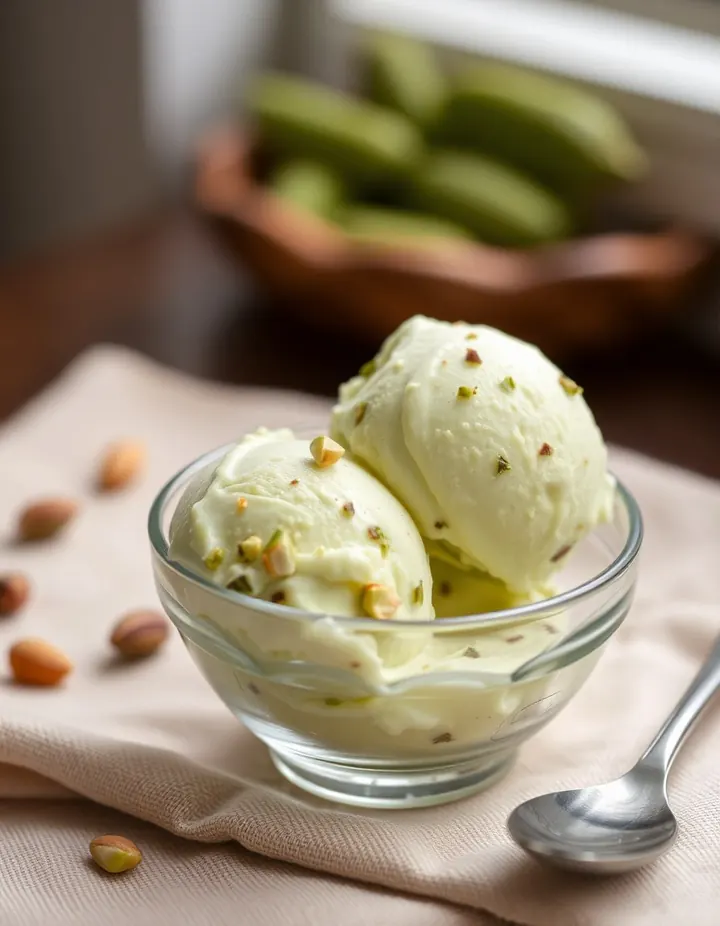 Pistachio Ice Cream36 recipes
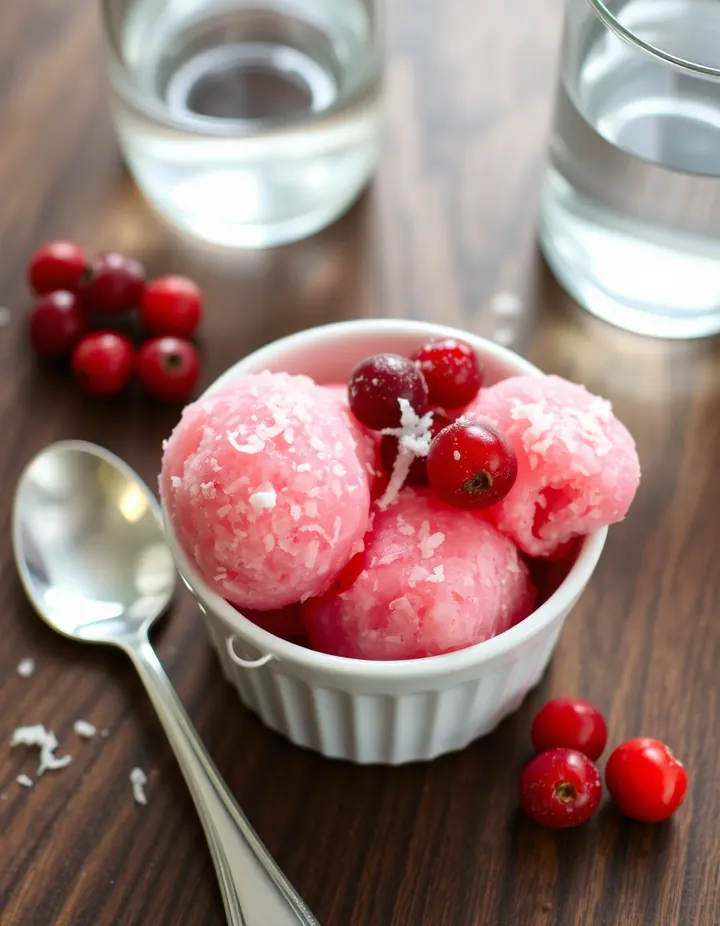 Currant Ice Cream32 recipes
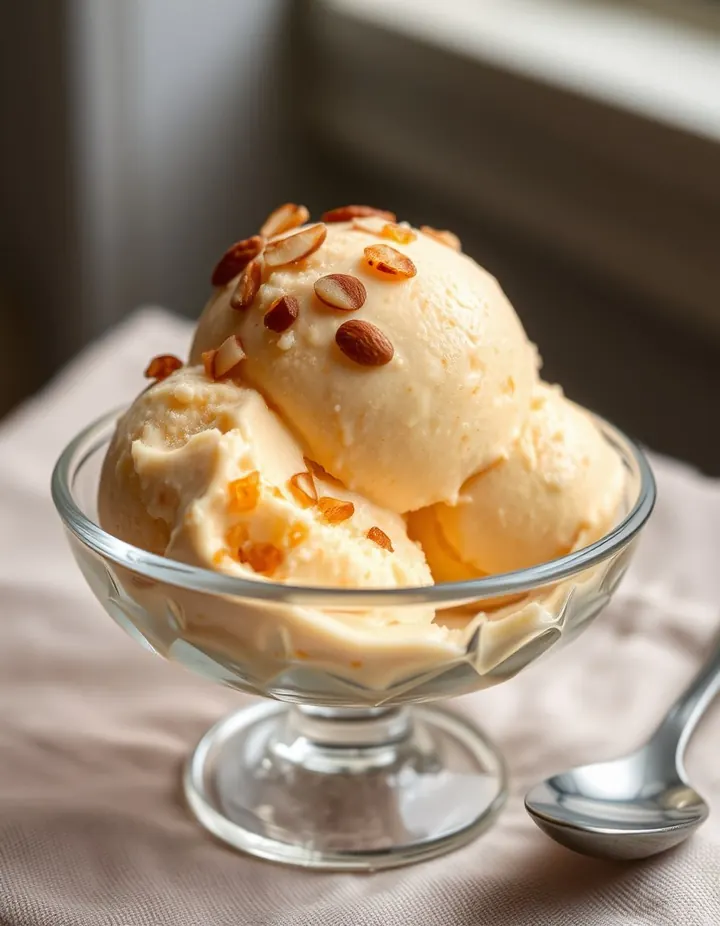 Apricot Ice Cream26 recipes
The free Flavor Lab newsletter: one surprising pairing a week and the molecular reason it works, in 60 seconds. No spam, unsubscribe anytime.
Prefer an account? Create a free account to save pairings and unlock the full chemistry.