Why it works: Cider and port wine share more aroma than cooks usually use. They rank in the top 6% of all ingredient pairs, and cooks put them together in 41 recipes. Both carry ethyl pentanoate, which smells yeast, fruit. The science ↓
Imitation Port Wine
Ingredients
Directions
Prepare the colour
Bruise the cochineal very fine and mix it with the brandy in a stone bottle.
Let it sit for at least two weeks, shaking it well once or twice a week.
Blend and age
In a 9‑gallon cask, combine 5 gallons of cider, elderberry juice, Port wine, and the brandy mixture.
Rinse the bottle that contained the brandy with the remaining gallon of cider and pour it into the cask.
Seal the cask tightly and let it sit for six weeks before bottling.
If the wine is not clear, add 2 ounces of isinglass and let it sit for another two to three weeks.
For a rougher flavor, add 1 to 1½ ounces of alum if needed.
Bottle and store
Store the bottled wine in a cool place; it will be ready in a few months but improves with age.
Transcribed from a scanned cookbook and modernised for today's kitchens. Where the book gave no heat or time, or said "a moderate oven", the temperatures and times here may be modern equivalents rather than the book's own figures.
Explore the science
The flavor team
The pairs that carry this dish. Each one is judged two ways: how much their aromas overlap, and how often cooks already put them together.
-
Cider + port winetop 6% of all pairsSmell alikestrongCooked together41 recipes
Shared aroma: ethyl pentanoate (yeast, fruit).
-
Cider + brandytop 7% of all pairsSmell alikemoderateCooked together404 recipes
Shared aroma: 4-ethyl-2-methoxyphenol (smoky, clove).
-
Port wine + brandytop 7% of all pairsSmell alikemoderateCooked together127 recipes
Shared aroma: ethyl cinnamate (sweet, balsamic).
-
Elderberry + brandytop 19% of all pairsSmell alikelowCooked together14 recipes
Shared aroma: beta-damascenone (apple, rose).
-
Cider + elderberrytop 33% of all pairsSmell alikelowCooked together3 recipes
Shared aroma: isoamyl acetate (banana, pear).
Ranks compare each pair with 20,000 random ingredient pairs on CompKitchen. How we score pairs
What each ingredient does
- Cochineal
- Supplies the deep red colour that gives the wine its port-like appearance.
- Elderberry juice
- Adds fruity body and deep colour to the blend.
- Brandy
- Extracts the colour from the cochineal and raises the alcohol content, preserving the wine.
- Cider
- Forms the base of the wine, providing most of the liquid and mild fruit sweetness.
The step that matters
Letting the cochineal steep in brandy. Cochineal must be finely bruised and given at least two weeks in brandy so the colour fully dissolves. Rushing this leaves the blend pale and gritty.
Swap the elderberry
How well each one fits the dish's main ingredients (cider, port wine, brandy):
- Applefits better
- Currantfits better
- Figfits better
- Elderberrythe original
Fit is the average pairing score against cider, port wine, brandy. Candidates are from the same food group and used in at least 100 recipes.
“What each ingredient does” and “The step that matters” were written by Claude from this recipe’s own method and reviewed in samples by CompKitchen.
You might also like
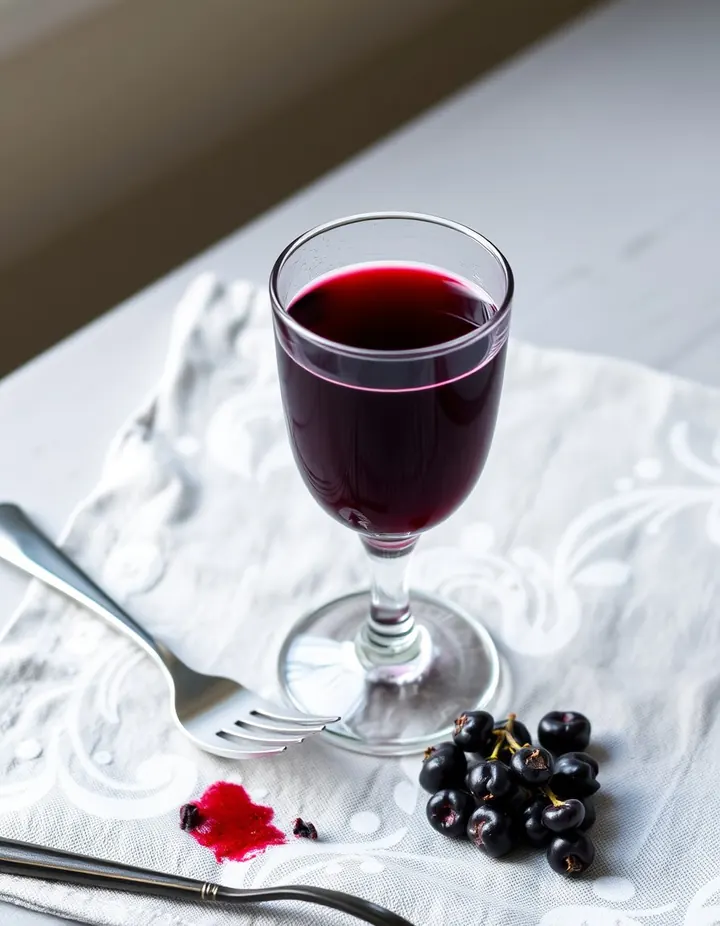 Elderberry Wine35 recipes
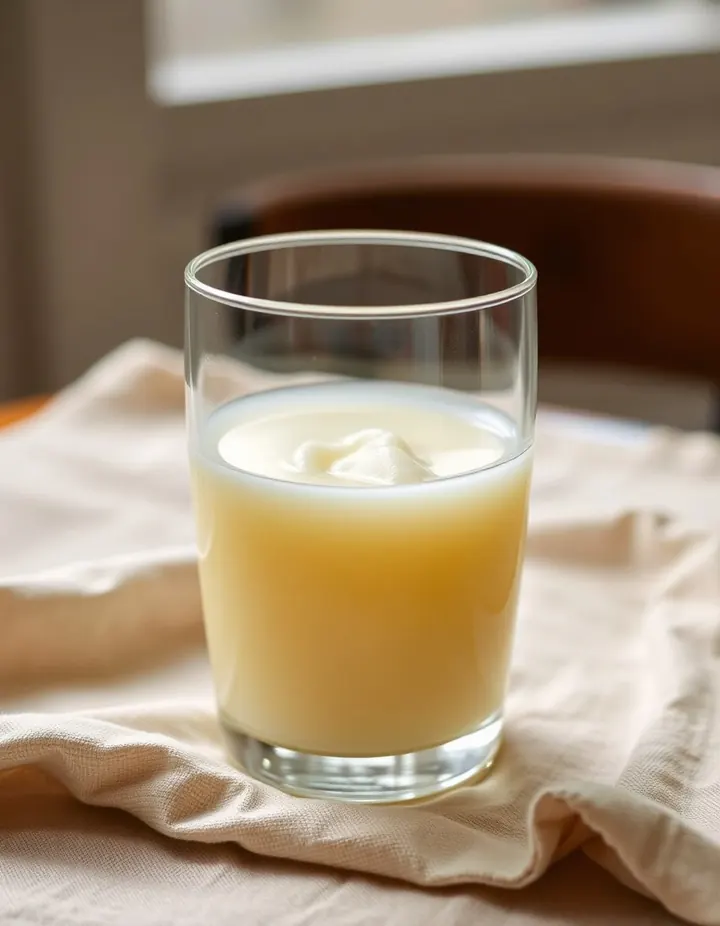 Wine Whey111 recipes
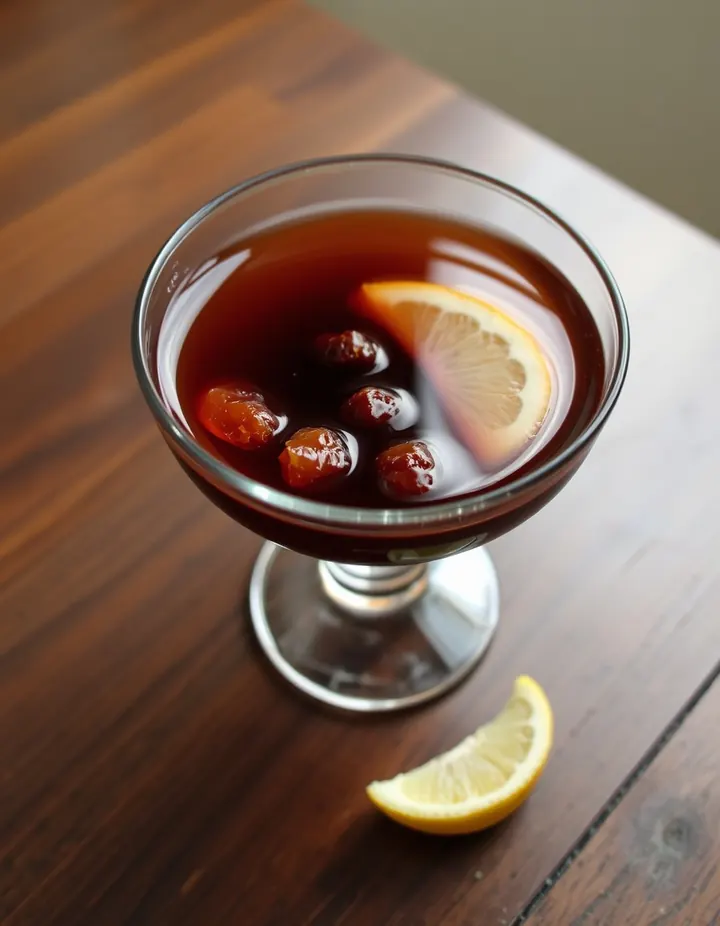 Raisin Wine64 recipes
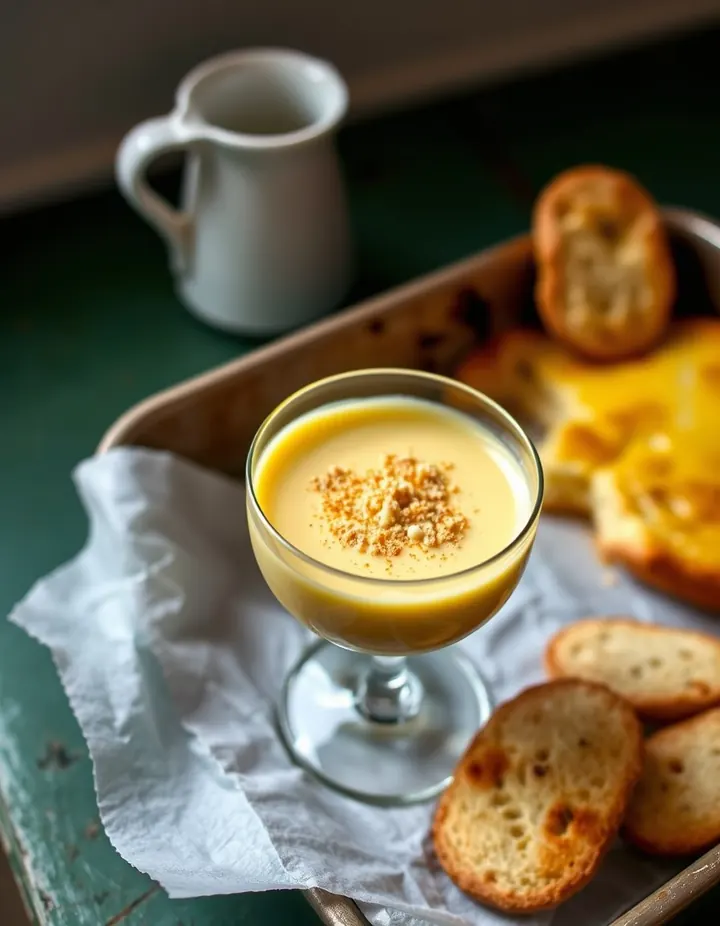 Egg Wine58 recipes
The free Flavor Lab newsletter: one surprising pairing a week and the molecular reason it works, in 60 seconds. No spam, unsubscribe anytime.
Prefer an account? Create a free account to save pairings and unlock the full chemistry.