Why it works: Sugar and cream are a kitchen classic. They rank in the top 9% of all ingredient pairs, and cooks put them together in 43,450 recipes. Both carry 2,3-butanedione, which smells butter, sweet. The science ↓
Rainbow Fudge
Ingredients
Directions
Make the base
In a large pot, combine sugar, glucose, and cream.
Cook over medium heat until the mixture reaches 236°F to 238°F.
Remove from heat and stir in the fondant until dissolved.
Color and set
Divide the mixture into four equal parts in separate bowls or pans.
Leave one part white, color one pink, one maple, and the last one chocolate.
Line a slab with paper and pour each colored batch on top of the others, allowing them to mix slightly.
Once cooled, cut into one-inch squares.
Transcribed from a scanned cookbook and modernised for today's kitchens. Where the book gave no heat or time, or said "a moderate oven", the temperatures and times here may be modern equivalents rather than the book's own figures.
Explore the science
The flavor team
The pairs that carry this dish. Each one is judged two ways: how much their aromas overlap, and how often cooks already put them together.
-
Sugar + creamtop 9% of all pairsSmell alikemoderateCooked together43,450 recipes
Shared aroma: 2,3-butanedione (butter, sweet).
-
Cream + chocolatetop 11% of all pairsSmell alikemoderateCooked together5,466 recipes
Shared aroma: delta-decalactone (sweet, creamy).
-
Sugar + chocolatetop 13% of all pairsSmell alikemoderateCooked together15,404 recipes
Shared aroma: guaiacol (smoky, sweet).
Ranks compare each pair with 20,000 random ingredient pairs on CompKitchen. How we score pairs
What each ingredient does
- Sugar
- Forms the bulk of the fudge and, as it cooks, sets into a firm, sliceable structure.
- Glucose
- Interferes with sugar crystal formation, producing a smoother, less grainy texture.
- Cream
- Adds fat and moisture, giving the fudge a rich, soft body.
- Fondant
- Adds fine sugar crystals that encourage a smooth, creamy texture.
The step that matters
Cooking to 236°F to 238°F. Sugar syrup sets according to its final temperature, which concentrates the sugar as water evaporates. Stopping short leaves fudge soft and runny, while overcooking makes it hard and crumbly.
“What each ingredient does” and “The step that matters” were written by Claude from this recipe’s own method and reviewed in samples by CompKitchen.
You might also like
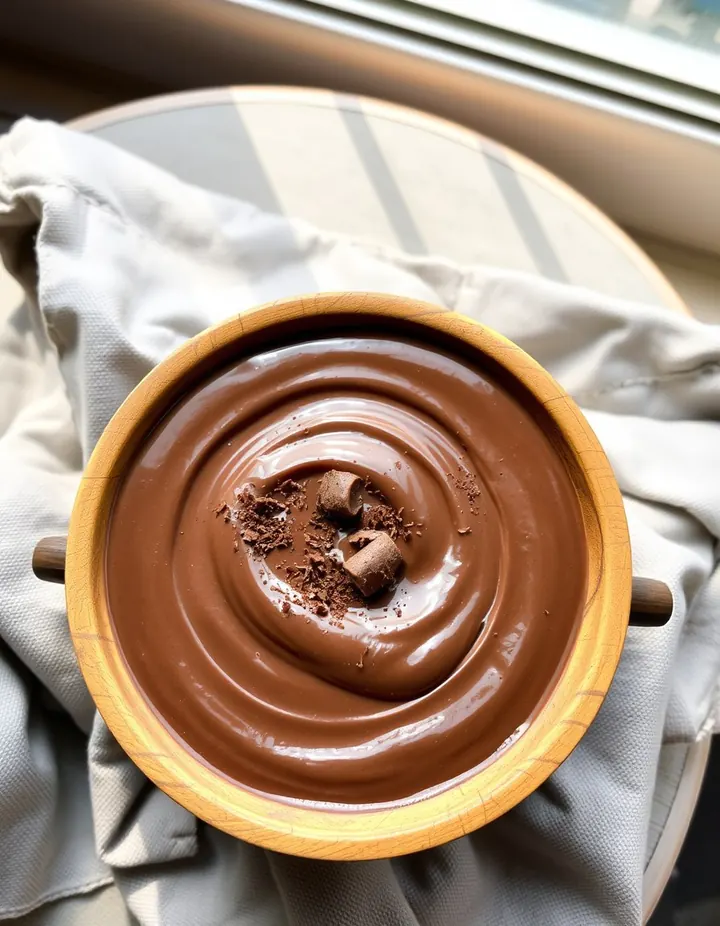 Chocolate Cream171 recipes
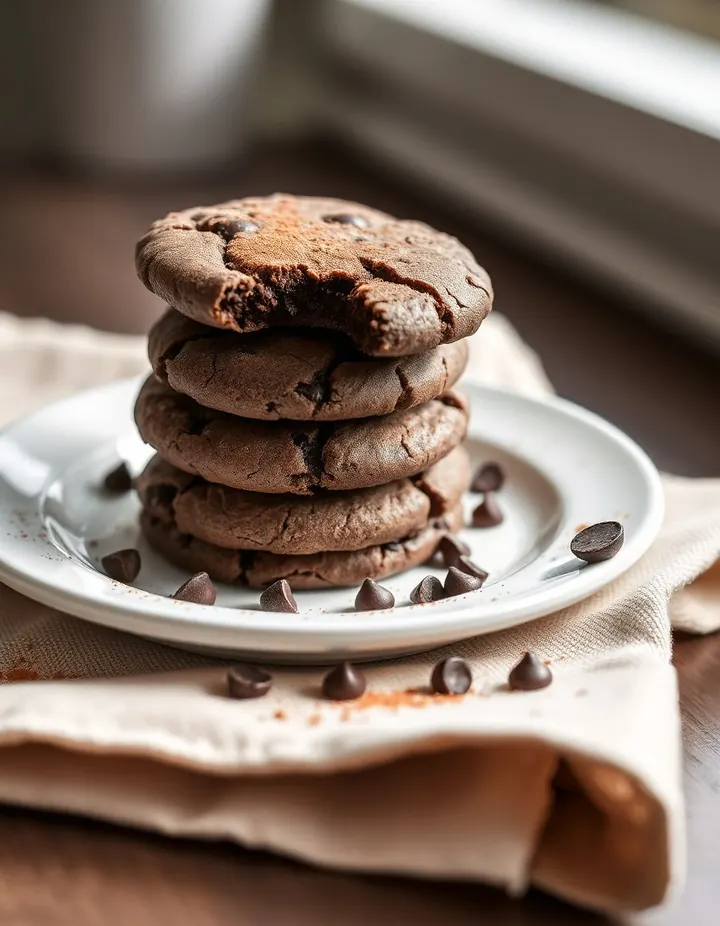 Chocolate Cookies76 recipes
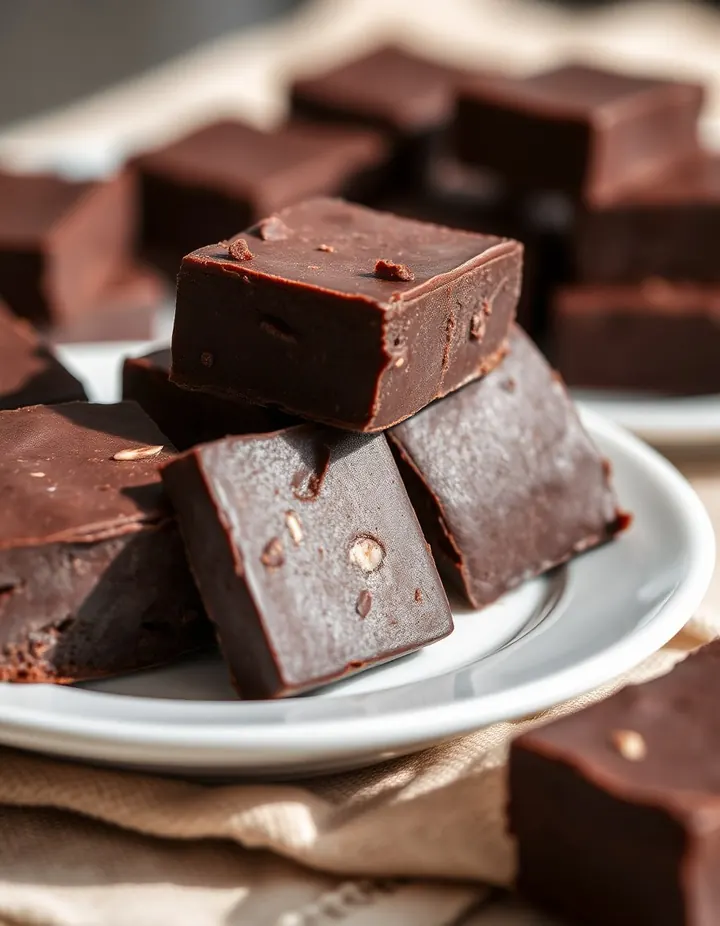 Chocolate Fudge55 recipes
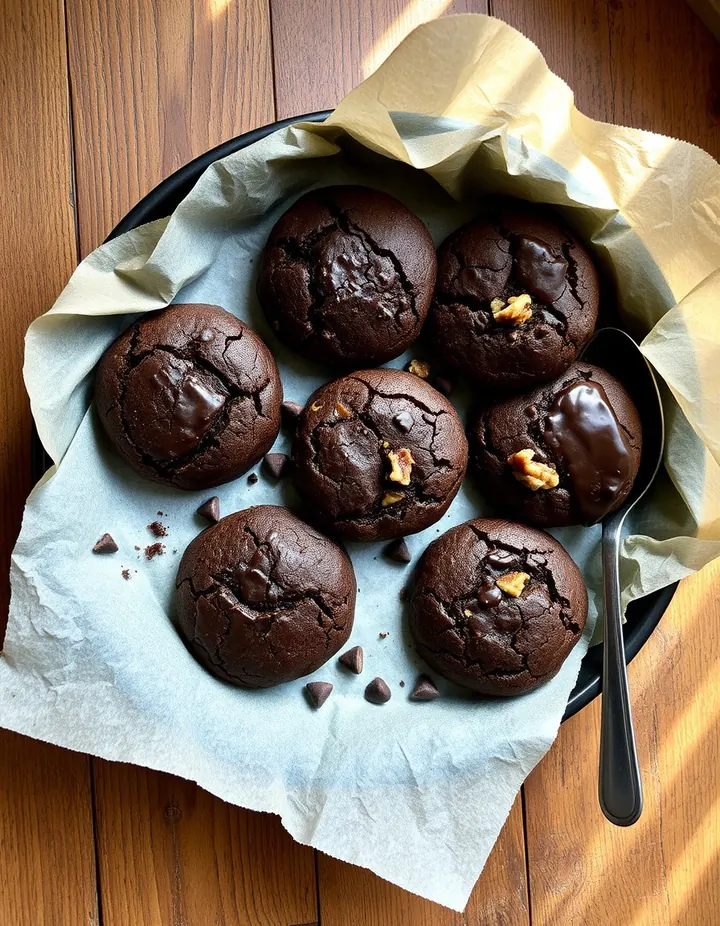 Chocolate Drop Cookies50 recipes
The free Flavor Lab newsletter: one surprising pairing a week and the molecular reason it works, in 60 seconds. No spam, unsubscribe anytime.
Prefer an account? Create a free account to save pairings and unlock the full chemistry.