Why it works: Cream and gelatin match in chemistry and in kitchens. They rank in the top 7% of all ingredient pairs, and cooks put them together in 1,628 recipes. Both carry acetic acid, which smells sour, vinegar. The science ↓
Walnut Sponge Slice
Ingredients
Directions
The book gives no oven temperature. The 252°F (122°C) in the steps was added when the recipe was transcribed, as a starting point.
Make the candy base
Combine sugar, glucose, water, and cream in a large pot.
Cook the mixture until it reaches 252°F (122°C).
Remove from heat and stir in the dissolved gelatin until fully incorporated.
Pour the mixture onto a slab and let it cool.
Pull and shape
Once cool, pull the mixture on a hook and add vanilla flavoring.
Knead the English walnuts into the mixture and shape it into a square piece, about 2.5 by 2.5 inches.
Place the shaped mixture between bars to hold its shape until completely cold.
Cut and serve
Cut into thin slices and serve.
Transcribed from a scanned cookbook and modernised for today's kitchens. Where the book gave no heat or time, or said "a moderate oven", the temperatures and times here may be modern equivalents rather than the book's own figures.
Explore the science
The flavor team
The pairs that carry this dish. Each one is judged two ways: how much their aromas overlap, and how often cooks already put them together.
-
Cream + gelatintop 7% of all pairsSmell alikestrongCooked together1,628 recipes
Shared aroma: acetic acid (sour, vinegar).
-
Sugar + gelatintop 7% of all pairsSmell alikemoderateCooked together2,778 recipes
Shared aroma: ethanol (alcoholic, ethereal).
-
Sugar + vanillatop 8% of all pairsSmell alikelowCooked together35,032 recipes
Shared aroma: beta-damascenone (apple, rose).
-
Sugar + creamtop 9% of all pairsSmell alikemoderateCooked together43,450 recipes
Shared aroma: 2,3-butanedione (butter, sweet).
-
Walnut + vanillatop 10% of all pairsSmell alikestrongCooked together2,730 recipes
Shared aroma: eucalyptol (eucalyptus, herbal).
Sugar and vanilla barely smell alike, yet cooks put them together in 35,032 recipes: they work on texture and structure more than aroma.
Ranks compare each pair with 20,000 random ingredient pairs on CompKitchen. How we score pairs
What each ingredient does
- Sugar
- Forms the sweet crystalline structure of the candy base.
- Glucose
- Limits crystallization, keeping the candy smooth and pliable rather than grainy.
- Cream
- Adds fat and richness, softening the texture of the candy.
- Gelatin
- Adds elasticity so the candy holds its shape when cut.
- English walnuts
- Add crunch and nutty flavour that contrasts with the chewy candy.
The step that matters
Cooking to 252°F (122°C). This temperature sets the sugar concentration that determines the candy's firmness once cooled. Undercooking leaves it soft and sticky; overcooking makes it hard and brittle.
Swap the walnut
How well each one fits the dish's main ingredients (sugar, cream, gelatin, vanilla):
- Almondfits better
- Chestnutfits better
- Pistachiofits better
- Walnutthe original
Fit is the average pairing score against sugar, cream, gelatin, vanilla. Candidates are from the same food group and used in at least 100 recipes.
“What each ingredient does” and “The step that matters” were written by Claude from this recipe’s own method and reviewed in samples by CompKitchen.
You might also like
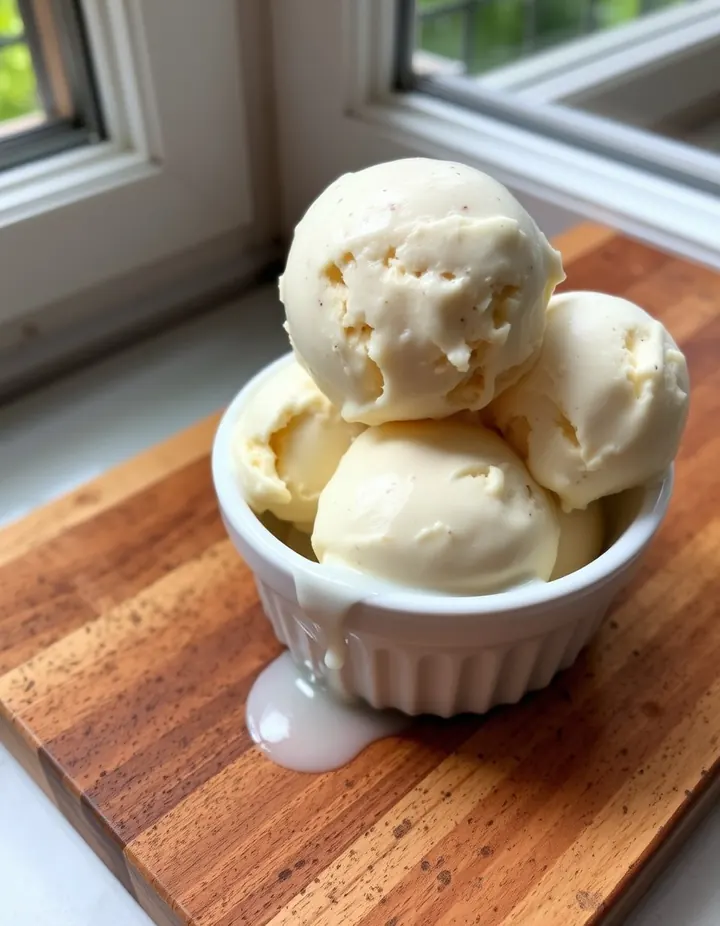 Vanilla Ice Cream108 recipes
 White Cake431 recipes
 Pound Cake373 recipes
 Orange Bundt Cake349 recipes
The free Flavor Lab newsletter: one surprising pairing a week and the molecular reason it works, in 60 seconds. No spam, unsubscribe anytime.
Prefer an account? Create a free account to save pairings and unlock the full chemistry.