Why it works: Sugar and cream are a kitchen classic. They rank in the top 9% of all ingredient pairs, and cooks put them together in 43,450 recipes. Both carry 2,3-butanedione, which smells butter, sweet. The science ↓
Dutch Lunch Box
Ingredients
Directions
The book gives no oven temperature. The 235°F (113°C) in the steps was added when the recipe was transcribed, as a starting point.
Prepare the boxes
Line 12 (1 lb.) boxes with wax paper and set them in a clean pan or tray.
Cook 1½ lbs. sugar, 2 lbs. glucose, 1 cup water, and ⅓ cup molasses to 235°F (113°C).
Remove from heat.
Add coconut until it will stand.
Pour into a sieve to drain.
Place a small bunch in the corner of each box to represent sauerkraut.
Make the filling pieces
Mix bon bon cream with nut meats.
Form small pieces the size of potatoes.
Roll in cocoa or cinnamon.
Add a pignola nut for eyes.
Place one in each box.
Flatten 1 oz. pieces of Opera Cream like a veal cutlet.
Dip in gum arabic solution.
Roll in roasted coconut.
Place one in each box.
Prepare hard boiled eggs in their natural shell.
Place one in each box.
Shape ½ oz. pieces of chocolate colored Opera Cream like a frankfurter. Shellac them.
Place one in each box.
Make a few pickles from Almond Paste.
Place one in each box.
Knead ground pecans into 1 lb. bon bon cream. Shape into a loaf. Cut into thin slices.
Place a slice in each box.
Transcribed from a scanned cookbook and modernised for today's kitchens. Where the book gave no heat or time, or said "a moderate oven", the temperatures and times here may be modern equivalents rather than the book's own figures.
Explore the science
The flavor team
The pairs that carry this dish. Each one is judged two ways: how much their aromas overlap, and how often cooks already put them together.
-
Sugar + creamtop 9% of all pairsSmell alikemoderateCooked together43,450 recipes
Shared aroma: 2,3-butanedione (butter, sweet).
-
Cocoa + nutstop 10% of all pairsSmell alikemoderateCooked together65 recipes
Shared aroma: furaneol (caramel, strawberry).
-
Coconut + nutstop 10% of all pairsSmell alikemoderateCooked together142 recipes
Shared aroma: decanal (soap, orange peel).
-
Sugar + molassestop 11% of all pairsSmell alikemoderateCooked together9,225 recipes
Shared aroma: ethanol (alcoholic, ethereal).
-
Coconut + cocoatop 14% of all pairsSmell alikemoderateCooked together20 recipes
Shared aroma: gamma-nonanolactone (coconut, sweet).
Ranks compare each pair with 20,000 random ingredient pairs on CompKitchen. How we score pairs
What each ingredient does
- Sugar
- Forms the bulk of the candy base and sweetens the mixture.
- Glucose
- Stops sugar from crystallising, keeping the candy smooth and pliable.
- Molasses
- Adds depth, colour and a darker, slightly bitter sweetness.
- Bon bon cream
- Provides a soft, creamy body for shaping the filling pieces.
- Opera cream
- Gives a soft, chewy, creamy centre that holds its shape when flattened.
- Almond paste
- Gives a dense, moist, sweet filling that can be shaped easily.
The step that matters
Cooking the sugar, glucose and water to 235°F (113°C). This is the soft-ball stage. Cooking to the right temperature sets the candy's firmness; too low leaves it sticky and too high makes it hard and brittle.
Swap the cocoa
How well each one fits the dish's main ingredients (sugar, molasses, coconut, cream, meat, nuts, egg):
- Almondfits better
- Pistachiofits better
- Peanutfits better
- Cocoathe original
Fit is the average pairing score against sugar, molasses, coconut, cream, meat, nuts, egg. Candidates are from the same food group and used in at least 100 recipes.
“What each ingredient does” and “The step that matters” were written by Claude from this recipe’s own method and reviewed in samples by CompKitchen.
You might also like
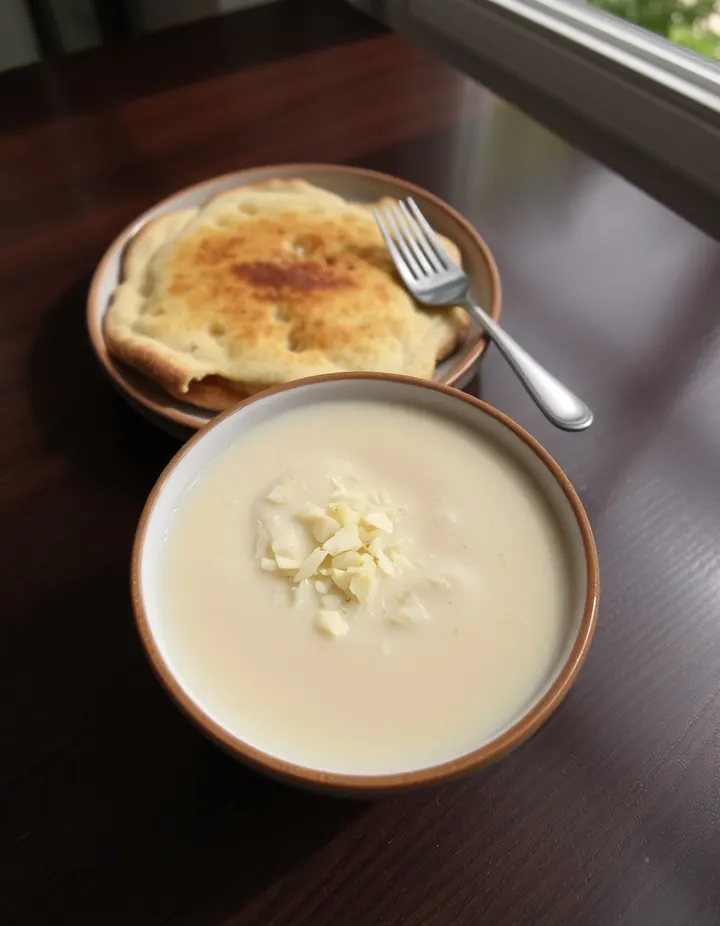 Almond Soup60 recipes
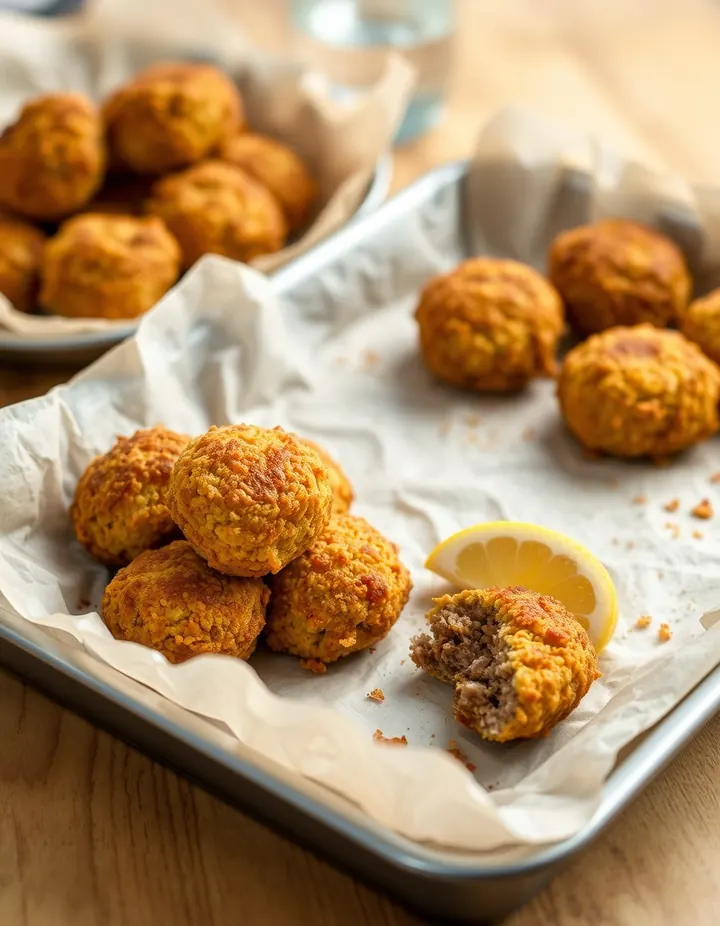 Meat Croquettes52 recipes
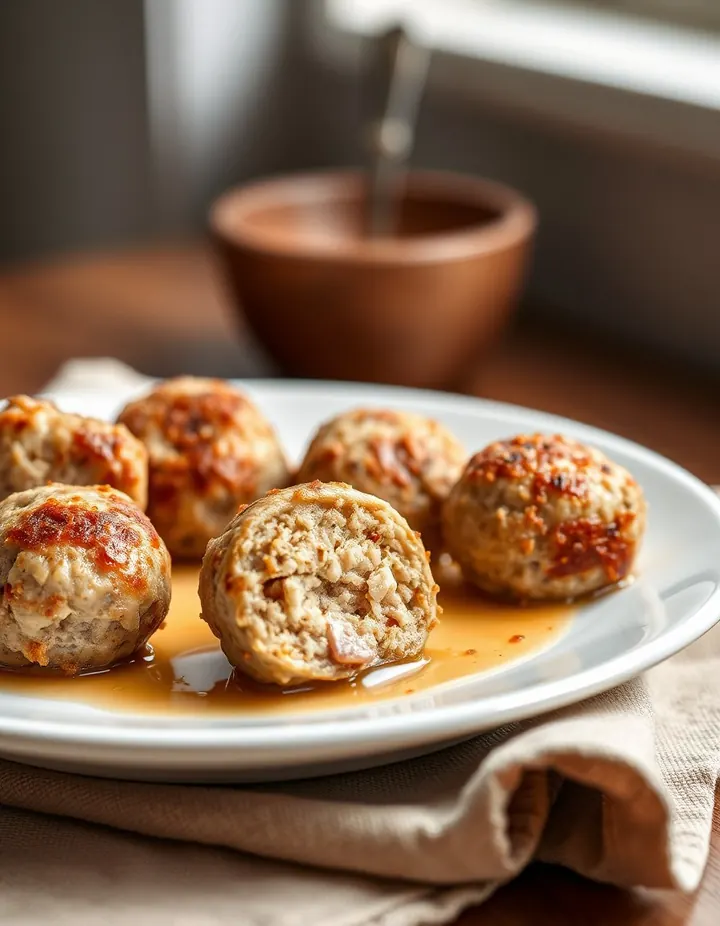 Meatballs37 recipes
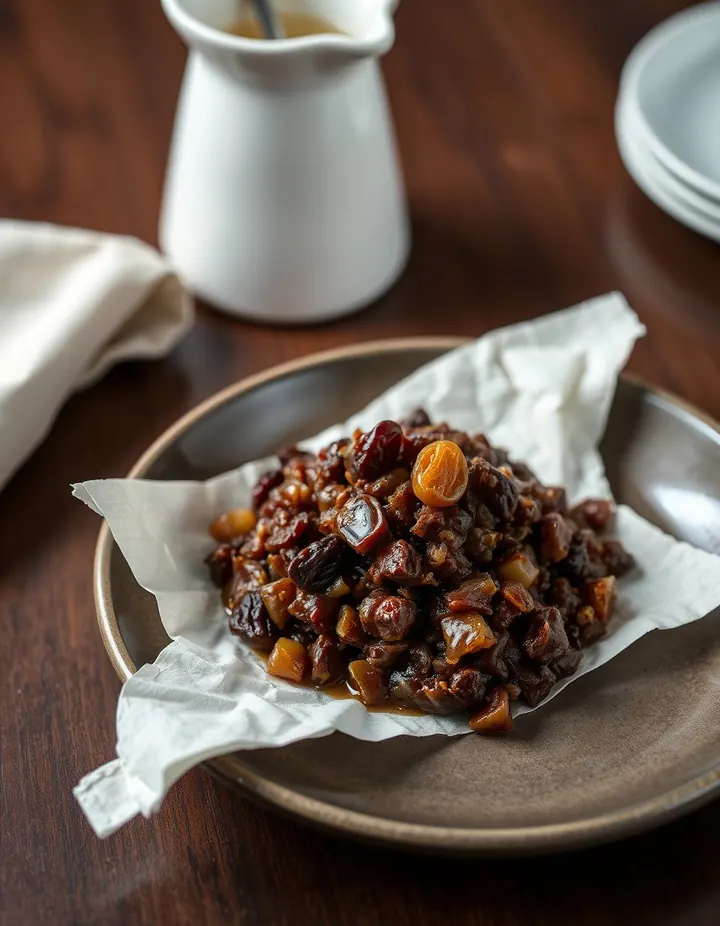 Mince Meat37 recipes
The free Flavor Lab newsletter: one surprising pairing a week and the molecular reason it works, in 60 seconds. No spam, unsubscribe anytime.
Prefer an account? Create a free account to save pairings and unlock the full chemistry.