Why it works: Pear and apricot match in chemistry and in kitchens. They rank in the top 1% of all ingredient pairs, and cooks put them together in 218 recipes. Both carry ethyl isobutyrate, which smells fruity, ethereal. The science ↓
Fruit Fudge
Ingredients
Directions
Prepare
Cut the fruits into small pieces and set aside.
Combine sugar, glucose, and water in a large copper kettle.
Heat and stir until the sugar dissolves.
Allow the mixture to boil.
Make the fudge
Gradually add the cream and cocoa butter.
Cook until it reaches the soft ball stage.
Remove from heat.
Stir until it begins to grain slightly.
Add the cream fondant pieces.
Stir until well mixed.
Return the kettle to the heat.
Stir until warm enough to pour.
Mix in the fruits thoroughly.
Set and finish
Pour onto a greased slab.
Let it cool completely.
Cut into squares.
Glaze the top with white glacine.
Let it dry overnight.
Break into pieces for serving.
Transcribed from a scanned cookbook and modernised for today's kitchens. Where the book gave no heat or time, or said "a moderate oven", the temperatures and times here may be modern equivalents rather than the book's own figures.
Explore the science
The flavor team
The pairs that carry this dish. Each one is judged two ways: how much their aromas overlap, and how often cooks already put them together.
-
Pear + apricottop 1% of all pairsSmell alikestrongCooked together218 recipes
Shared aroma: ethyl isobutyrate (fruity, ethereal).
-
Pineapple + peartop 2% of all pairsSmell alikestrongCooked together169 recipes
Shared aroma: ethyl isobutyrate (fruity, ethereal).
-
Pineapple + apricottop 2% of all pairsSmell alikestrongCooked together377 recipes
Shared aroma: delta-dodecalactone (sweet, creamy).
-
Cream + cocoa buttertop 9% of all pairsSmell alikemoderateCooked together17 recipes
Shared aroma: ethanol (alcoholic, ethereal).
-
Sugar + creamtop 9% of all pairsSmell alikemoderateCooked together43,450 recipes
Shared aroma: 2,3-butanedione (butter, sweet).
Ranks compare each pair with 20,000 random ingredient pairs on CompKitchen. How we score pairs
What each ingredient does
- Sugar
- Provides sweetness and forms the crystalline structure that gives fudge its body.
- Glucose
- Interferes with large sugar crystals, keeping the fudge smooth and soft rather than gritty.
- Cream
- Adds fat and moisture, giving the fudge a rich, tender texture.
- Cocoa butter
- Adds fat that makes the fudge richer and melt smoothly on the palate.
- Cream fondant
- Adds fine sugar crystals that seed controlled graining, producing a creamy texture.
- Assorted french fruits
- Adds flavour, moisture and acidity that contrast with the sweet fudge base.
The step that matters
Stir until it begins to grain slightly. Stirring off the heat encourages fine sugar crystals to form. Stop too early and the fudge stays runny; go too long and it sets stiff before it can be poured.
Swap the pear
How well each one fits the dish's main ingredients (pineapple, apricot, sugar, cream, cocoa butter):
- Vanillafits better
- Strawberryfits better
- Figfits about as well
- Pearthe original
Fit is the average pairing score against pineapple, apricot, sugar, cream, cocoa butter. Candidates are from the same food group and used in at least 100 recipes.
“What each ingredient does” and “The step that matters” were written by Claude from this recipe’s own method and reviewed in samples by CompKitchen.
You might also like
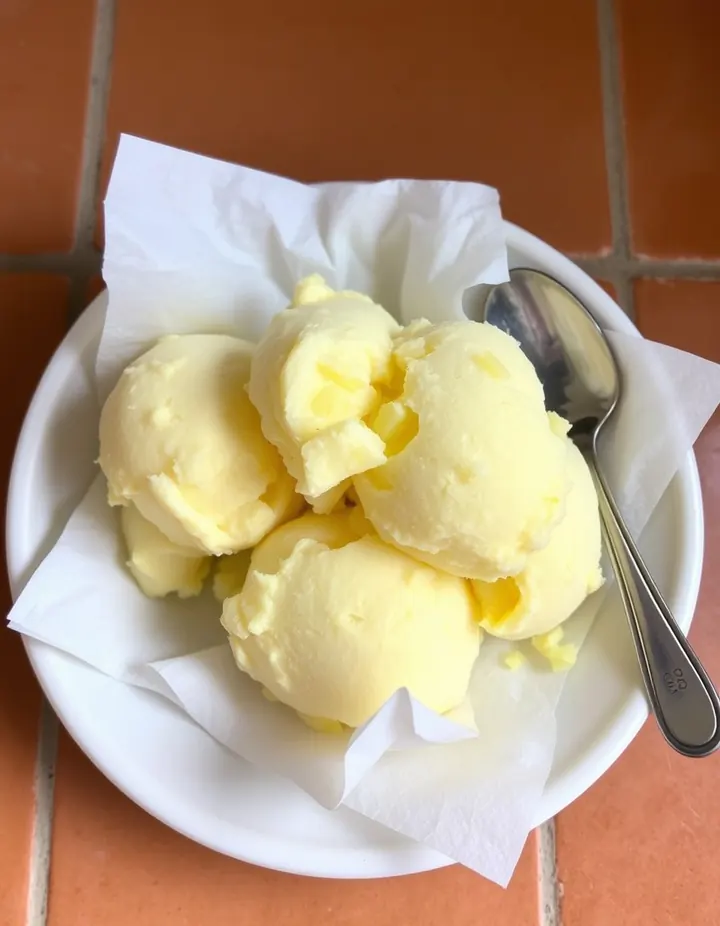 Pineapple Sherbet116 recipes
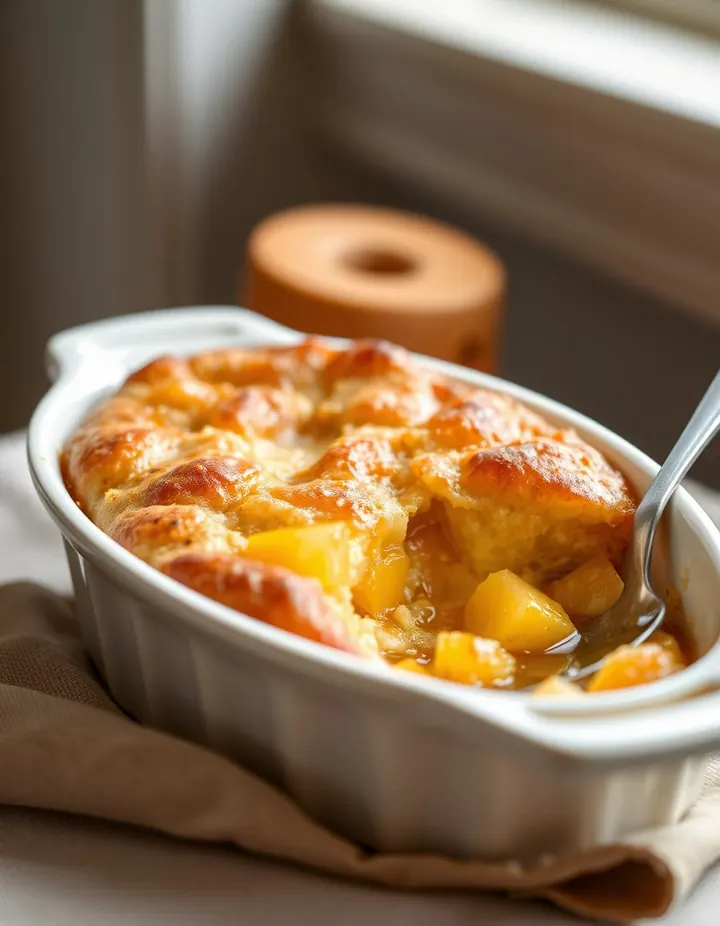 Pineapple Pudding72 recipes
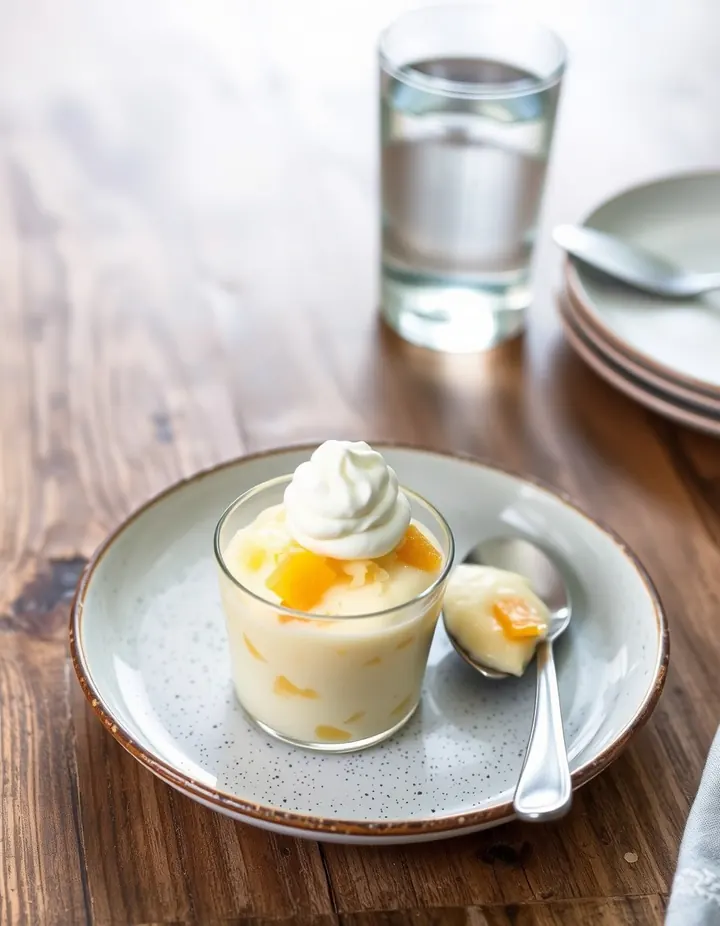 Pineapple Cream58 recipes
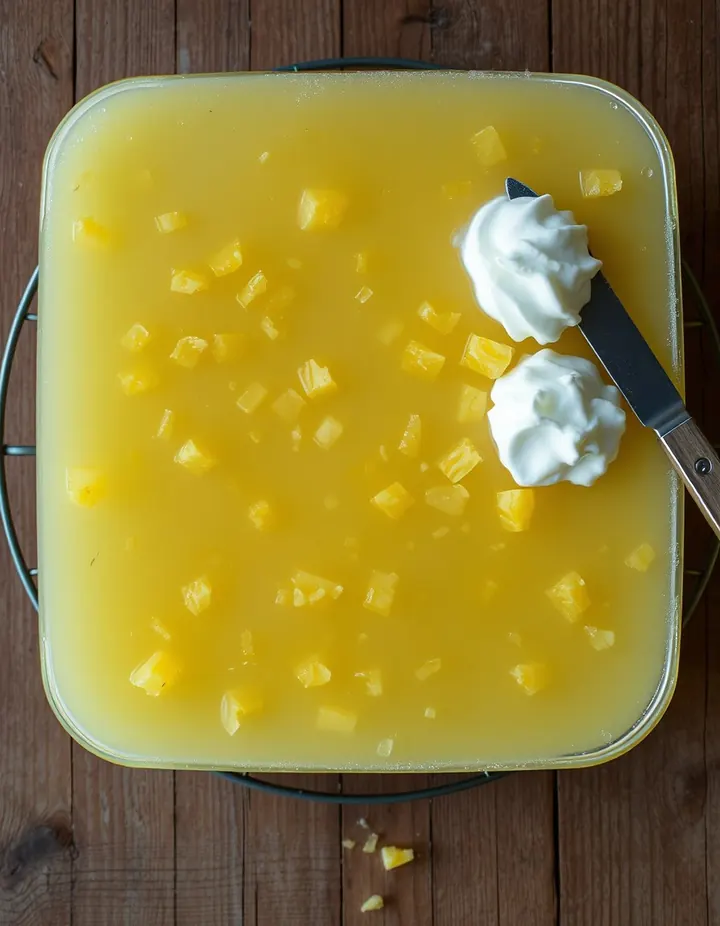 Pineapple Jelly39 recipes
The free Flavor Lab newsletter: one surprising pairing a week and the molecular reason it works, in 60 seconds. No spam, unsubscribe anytime.
Prefer an account? Create a free account to save pairings and unlock the full chemistry.