Why it works: Vanilla and almond match in chemistry and in kitchens. They rank in the top 4% of all ingredient pairs, and cooks put them together in 3,961 recipes. Both carry eucalyptol, which smells eucalyptus, herbal. The science ↓
Almond Cream Nuts
Ingredients
Directions
Make the almond cream
Combine 10 pounds of sugar, 3 pints of water, and 1 pound of glucose in a copper kettle.
Cook over heat until it reaches 242°F (117°C).
Pour the mixture onto a cool slab and let it cool until almost solid.
Work it with a steel paddle until it creams and forms a firm mass.
Cover with a damp cloth and let it stand for 1 hour.
Knead thoroughly.
Place in a steam bath and heat, stirring until warm enough to mix.
Add 1 ounce of vanilla and 3 pounds of Valencia almonds. Mix well.
Spread the mixture on heavy wax paper between iron bars, about 1.5 inches thick.
Let it cool, then cut into thin bars and smaller pieces.
Make the syrup and finish
Prepare a crystal syrup by combining 15 pounds of sugar with 6 pints of water in a clean copper kettle.
Cook until it reaches 35 degrees on the saccharometer.
Set the kettle aside to cool slightly.
Place the almond pieces in tin pans, cover with syrup, and let sit for 8 hours.
Drain the syrup.
Knock the pieces out onto trays.
Allow to dry before use.
Transcribed from a scanned cookbook and modernised for today's kitchens. Where the book gave no heat or time, or said "a moderate oven", the temperatures and times here may be modern equivalents rather than the book's own figures.
Explore the science
The flavor team
The pairs that carry this dish. Each one is judged two ways: how much their aromas overlap, and how often cooks already put them together.
-
Vanilla + almondtop 4% of all pairsSmell alikestrongCooked together3,961 recipes
Shared aroma: eucalyptol (eucalyptus, herbal).
-
Sugar + syruptop 6% of all pairsSmell alikestrongCooked together5,842 recipes
Shared aroma: ethanol (alcoholic, ethereal).
-
Sugar + vanillatop 8% of all pairsSmell alikelowCooked together35,032 recipes
Shared aroma: beta-damascenone (apple, rose).
-
Vanilla + syruptop 12% of all pairsSmell alikelowCooked together1,855 recipes
Shared aroma: ethanol (alcoholic, ethereal).
-
Sugar + almondtop 18% of all pairsSmell alikemoderateCooked together15,679 recipes
Shared aroma: 1-penten-3-one (fish, pungent).
Sugar and vanilla barely smell alike, yet cooks put them together in 35,032 recipes: they work on texture and structure more than aroma.
Ranks compare each pair with 20,000 random ingredient pairs on CompKitchen. How we score pairs
What each ingredient does
- Sugar
- Forms the crystal structure that gives the candy its firm, creamy body.
- Valencia almonds
- Provide the nut body and texture that the cream is built around.
- Glucose
- Interferes with sugar crystallization, keeping the mass smoother and less grainy.
- Vanilla
- Adds aroma that rounds out the sweet, nutty flavor.
The step that matters
Cooling and working the cooked sugar mass. Cooked sugar must cool nearly solid before it is worked with the paddle. Working it too early or too hot keeps crystals large and grainy, while proper cooling and kneading form the fine, smooth crystals that make the cream firm and even.
Swap the almond
How well each one fits the dish's main ingredients (sugar, vanilla, syrup):
- Chestnutfits better
- Almondthe original
- Hazelnutfits about as well
- Pistachiofits less well
Fit is the average pairing score against sugar, vanilla, syrup. Candidates are from the same food group and used in at least 100 recipes.
“What each ingredient does” and “The step that matters” were written by Claude from this recipe’s own method and reviewed in samples by CompKitchen.
You might also like
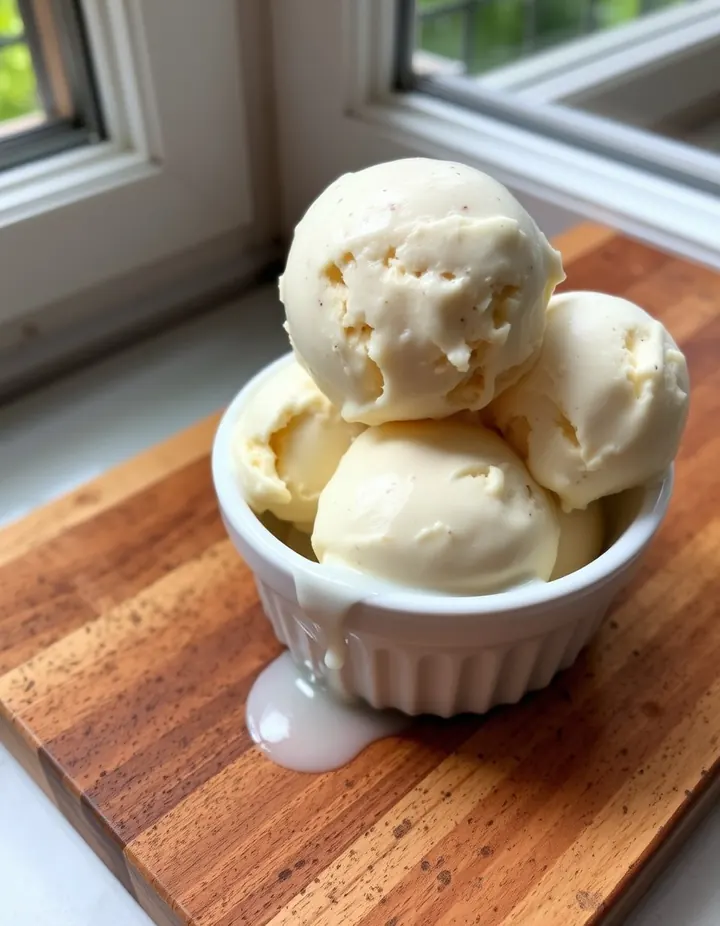 Vanilla Ice Cream108 recipes
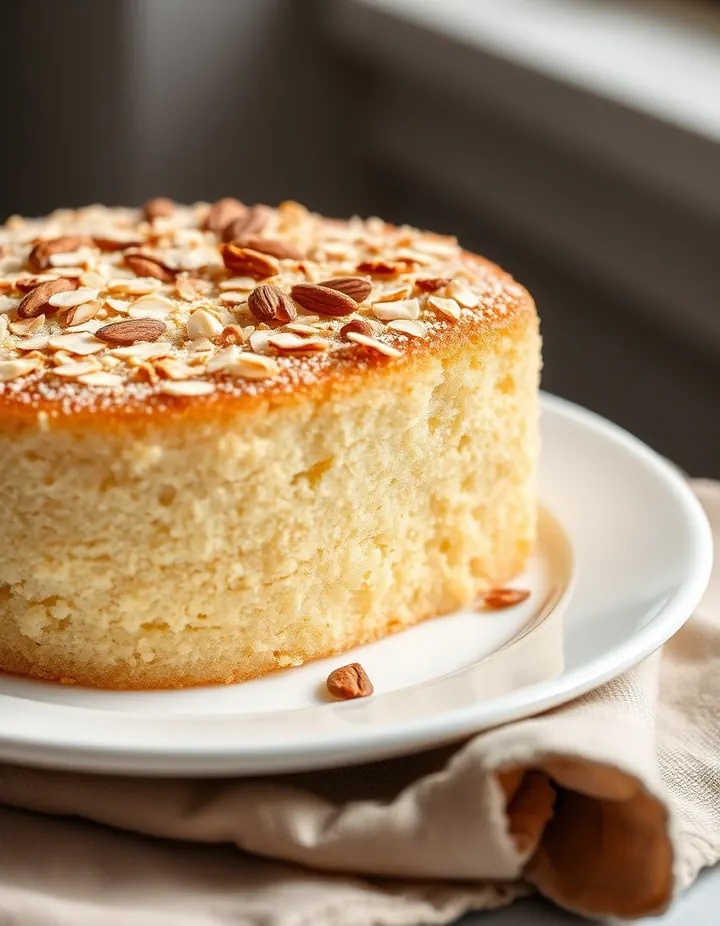 Almond Sponge Cake26 recipes
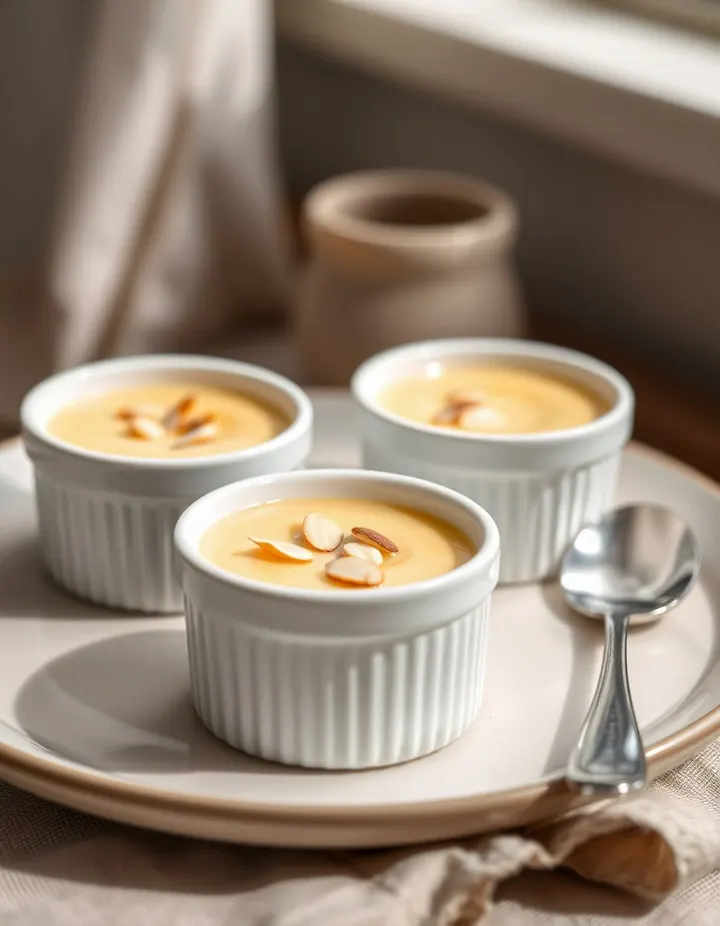 Almond Custard22 recipes
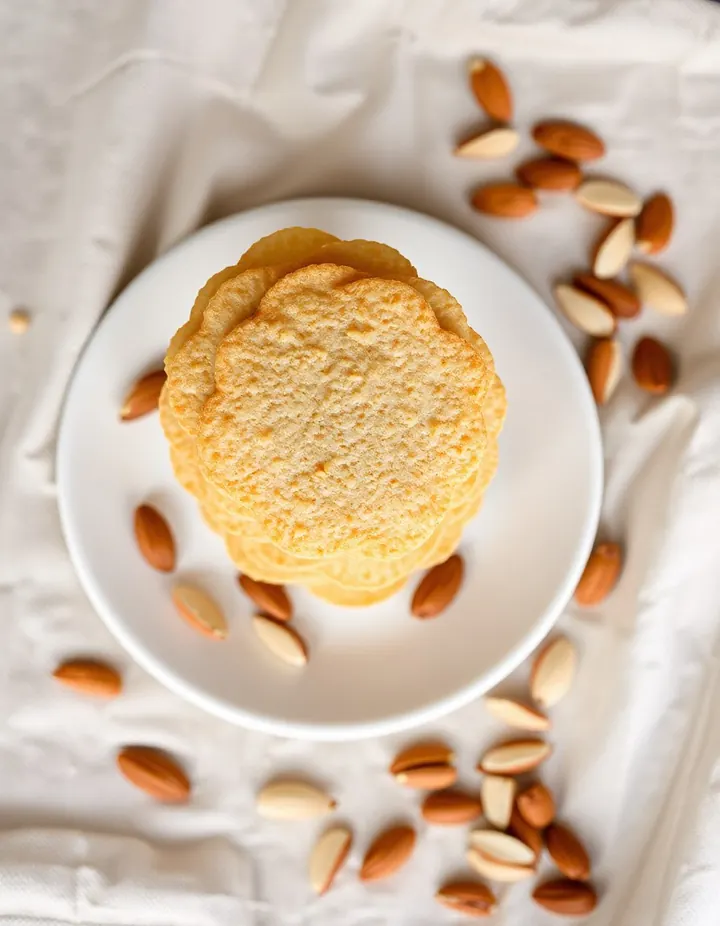 Almond Wafers22 recipes
The free Flavor Lab newsletter: one surprising pairing a week and the molecular reason it works, in 60 seconds. No spam, unsubscribe anytime.
Prefer an account? Create a free account to save pairings and unlock the full chemistry.