Why it works: Butter and cream are a kitchen classic. They rank in the top 8% of all ingredient pairs, and cooks put them together in 41,516 recipes. Both carry delta-dodecalactone, which smells sweet, creamy. The science ↓
Filbert Buttercups
Ingredients
Directions
Make the nut batch
Combine 5 pounds confectioners' sugar, 3 pounds glucose, 1 pound butter, and 2 pints water in a copper kettle.
Cook until it reaches a good ball stage.
Add 4 pounds chopped filberts to the mixture and mix well.
Set aside.
Make the outside batch
Combine 16 pounds confectioners' sugar, 4 pints water, and 1 teaspoon cream of tartar in a copper kettle.
Stir and cook until it boils.
Wash down the sides of the pan.
Continue cooking until it reaches 335°F (170°C).
Pour the mixture onto an oiled slab.
Fold it together as it cools.
Add vanilla flavor and pull until well pulled.
Shape and set
Dust a cool slab with flour.
Turn out the nut batch onto it.
Allow it to cool enough to handle.
Shape the pulled batch into a flat mass on a warm table.
Lay the nut batch on top and form it into a round shape.
Pull out into sticks as thick as your finger.
Cut using a buttercup machine.
Lay the pieces on a cold slab.
Leave until cold.
Pack in tin cans or tight jars for storage.
Transcribed from a scanned cookbook and modernised for today's kitchens. Where the book gave no heat or time, or said "a moderate oven", the temperatures and times here may be modern equivalents rather than the book's own figures.
Explore the science
The flavor team
The pairs that carry this dish. Each one is judged two ways: how much their aromas overlap, and how often cooks already put them together.
-
Butter + creamtop 8% of all pairsSmell alikemoderateCooked together41,516 recipes
Shared aroma: delta-dodecalactone (sweet, creamy).
-
Sugar + vanillatop 8% of all pairsSmell alikelowCooked together35,032 recipes
Shared aroma: beta-damascenone (apple, rose).
-
Sugar + creamtop 9% of all pairsSmell alikemoderateCooked together43,450 recipes
Shared aroma: 2,3-butanedione (butter, sweet).
-
Butter + filberttop 11% of all pairsSmell alikemoderateCooked together52 recipes
Shared aroma: trans-2-nonenal (cardboard, fatty).
-
Butter + flourtop 12% of all pairsSmell alikelowCooked together124,287 recipes
Shared aroma: isobutyraldehyde (malty, green).
Sugar and vanilla barely smell alike, yet cooks put them together in 35,032 recipes: they work on texture and structure more than aroma.
Ranks compare each pair with 20,000 random ingredient pairs on CompKitchen. How we score pairs
What each ingredient does
- Confectioners' sugar
- Forms the bulk of the sweet, sugar-based candy structure as it cooks.
- Glucose
- Inhibits sugar crystallisation, keeping the candy smooth and less grainy.
- Butter
- Adds fat for a tender texture and rich flavour in the nut batch.
- Filberts
- Add nutty flavour and texture to the centre of the candy.
- Cream of tartar
- Acidifies the sugar, helping prevent crystallisation and keeping the candy smooth.
The step that matters
Continue cooking until it reaches 335°F (170°C).. Sugar must reach the correct temperature to set to the intended firmness; undercooking leaves candy soft and overcooking makes it hard or brittle.
Swap the filbert
How well each one fits the dish's main ingredients (sugar, butter, cream, vanilla, flour):
- Almondfits better
- Chestnutfits better
- Macadamia nutfits better
- Filbertthe original
Fit is the average pairing score against sugar, butter, cream, vanilla, flour. Candidates are from the same food group and used in at least 100 recipes.
“What each ingredient does” and “The step that matters” were written by Claude from this recipe’s own method and reviewed in samples by CompKitchen.
You might also like
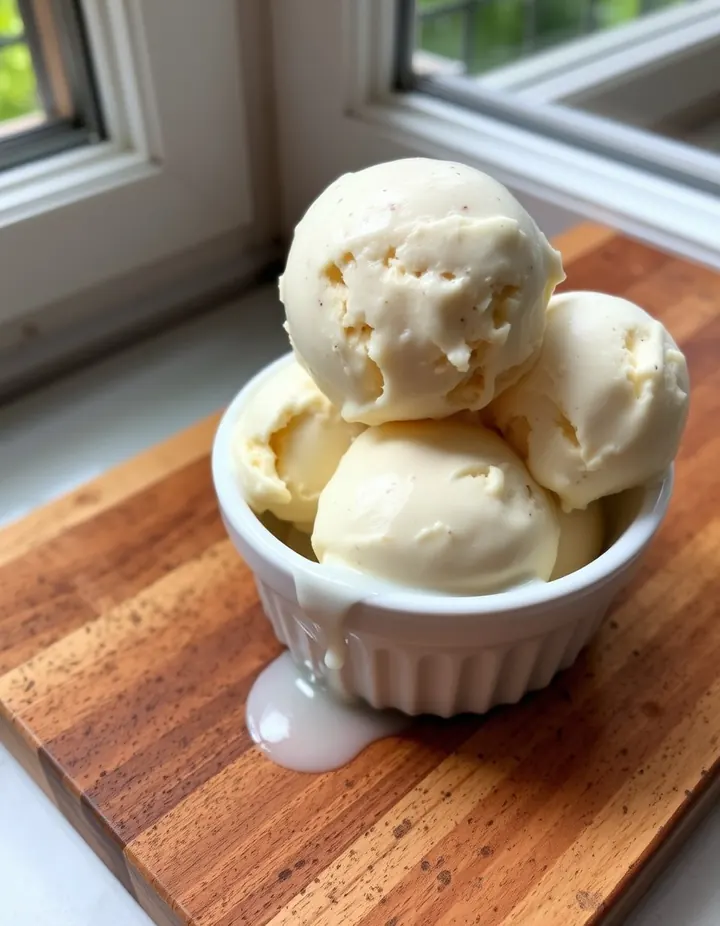 Vanilla Ice Cream108 recipes
 White Cake431 recipes
 Pound Cake373 recipes
 Orange Bundt Cake349 recipes
The free Flavor Lab newsletter: one surprising pairing a week and the molecular reason it works, in 60 seconds. No spam, unsubscribe anytime.
Prefer an account? Create a free account to save pairings and unlock the full chemistry.