Why it works: Cream and chocolate are a kitchen classic. They rank in the top 11% of all ingredient pairs, and cooks put them together in 5,466 recipes. Both carry delta-decalactone, which smells sweet, creamy. The science ↓
Chocolate Creams
Ingredients
Directions
Prepare the creams
Form French cream into small cone-shaped balls using your fingers.
Lay the balls on oiled paper to harden until all are formed.
Coat with chocolate
Melt the baker's chocolate in an earthen dish or small basin in the oven, being careful not to cook it. To keep the chocolate hot, place the basin on a hot soapstone.
Take each ball of cream on a silver fork, pour melted chocolate over it with a teaspoon, and slip it onto oiled paper.
Transcribed from a scanned cookbook and modernised for today's kitchens. Where the book gave no heat or time, or said "a moderate oven", the temperatures and times here may be modern equivalents rather than the book's own figures.
Explore the science
The flavor team
The pairs that carry this dish. Each one is judged two ways: how much their aromas overlap, and how often cooks already put them together.
-
Cream + chocolatetop 11% of all pairsSmell alikemoderateCooked together5,466 recipes
Shared aroma: delta-decalactone (sweet, creamy).
Ranks compare each pair with 20,000 random ingredient pairs on CompKitchen. How we score pairs
What each ingredient does
- French cream
- Forms the soft centre that the chocolate coating surrounds.
- Baker's chocolate
- Forms the outer coating that sets firm around each cream ball.
The step that matters
Melting the chocolate without cooking it. Chocolate scorches or seizes if overheated, and it turns grainy and dull. Gentle heat keeps it fluid and smooth enough to coat evenly, which is why the basin is kept warm on the soapstone rather than reheated.
“What each ingredient does” and “The step that matters” were written by Claude from this recipe’s own method and reviewed in samples by CompKitchen.
You might also like
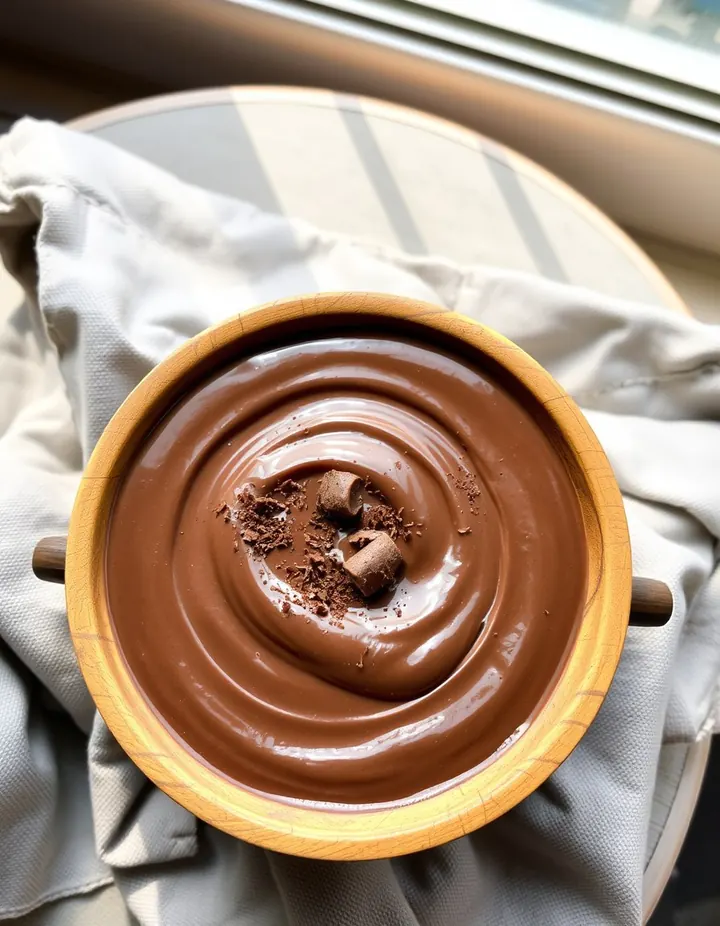 Chocolate Cream171 recipes
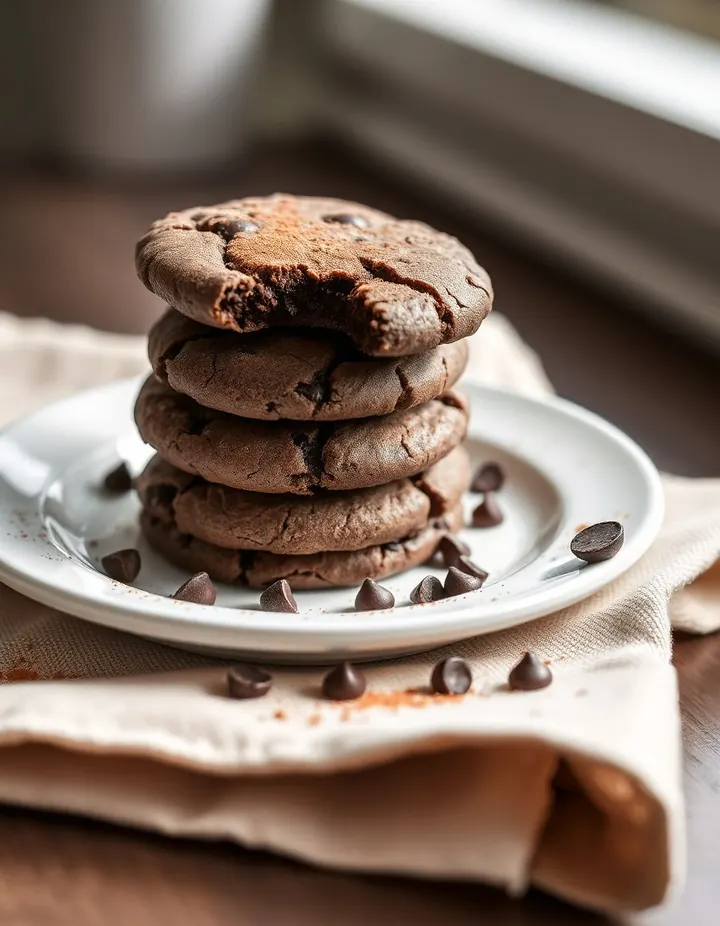 Chocolate Cookies76 recipes
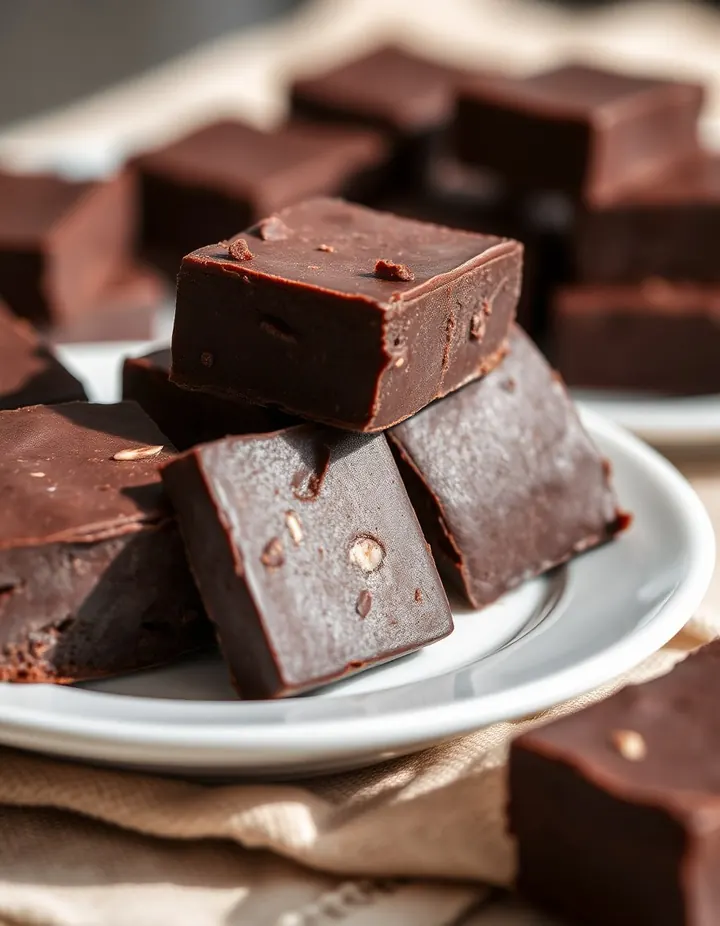 Chocolate Fudge55 recipes
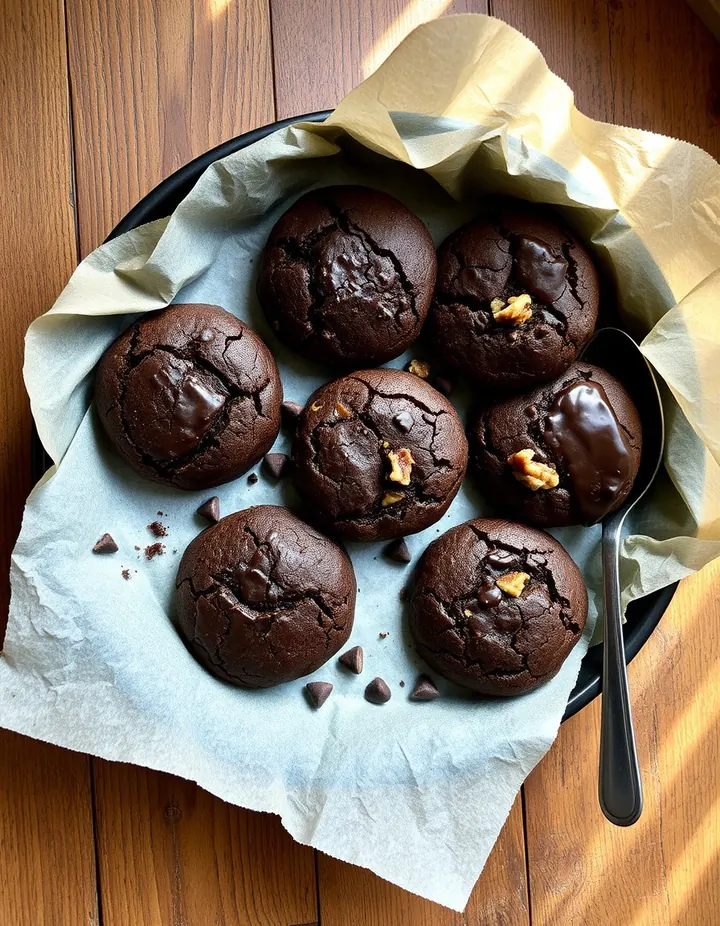 Chocolate Drop Cookies50 recipes
The free Flavor Lab newsletter: one surprising pairing a week and the molecular reason it works, in 60 seconds. No spam, unsubscribe anytime.
Prefer an account? Create a free account to save pairings and unlock the full chemistry.