Why it works: Flour and wheat are a kitchen classic. They rank in the top 12% of all ingredient pairs, and cooks put them together in 4,373 recipes. Both carry isobutyraldehyde, which smells malty, green. The science ↓
Brown Bread, Wheat Meal, Rye, Etc
Ingredients
Directions
Make the first dough
Mix the peptone extract, lentil flour, and enough granulated wheat meal to form a nice-sized dough.
Let the dough prove.
Shape the dough as for aerated malt bread.
Prove the shaped dough again in tins.
Make the second dough and prove
Dissolve the yeast in 1 quart of water.
Mix the water with 3.5 lbs of germ flour.
Let the mixture start fermenting.
Put the mixture into tins.
Prove the tins.
Bake
Bake in a sound oven.
Transcribed from a scanned cookbook and modernised for today's kitchens. Where the book gave no heat or time, or said "a moderate oven", the temperatures and times here may be modern equivalents rather than the book's own figures.
Explore the science
The flavor team
The pairs that carry this dish. Each one is judged two ways: how much their aromas overlap, and how often cooks already put them together.
-
Flour + wheattop 12% of all pairsSmell alikemoderateCooked together4,373 recipes
Shared aroma: isobutyraldehyde (malty, green).
-
Malt + wheattop 15% of all pairsSmell alikemoderateCooked together64 recipes
Shared aroma: beta-damascenone (apple, rose).
-
Malt + flourtop 24% of all pairsSmell alikelowCooked together260 recipes
Shared aroma: isobutyraldehyde (malty, green).
Ranks compare each pair with 20,000 random ingredient pairs on CompKitchen. How we score pairs
What each ingredient does
- Yeast
- Ferments the dough, producing gas that makes it rise.
- Germ flour
- Provides gluten-forming protein that gives the dough structure to hold gas.
- Lentil flour
- Adds protein and body to the dough, though it contains less gluten than wheat flour.
- Peptone extract
- Supplies sugars and nutrients that feed the yeast and aid fermentation.
The step that matters
Let the mixture start fermenting. The yeast must become active before shaping and baking. Underproofed dough stays dense, while overproofed dough loses gas and can collapse in the oven.
“What each ingredient does” and “The step that matters” were written by Claude from this recipe’s own method and reviewed in samples by CompKitchen.
More brown bread recipes
You might also like
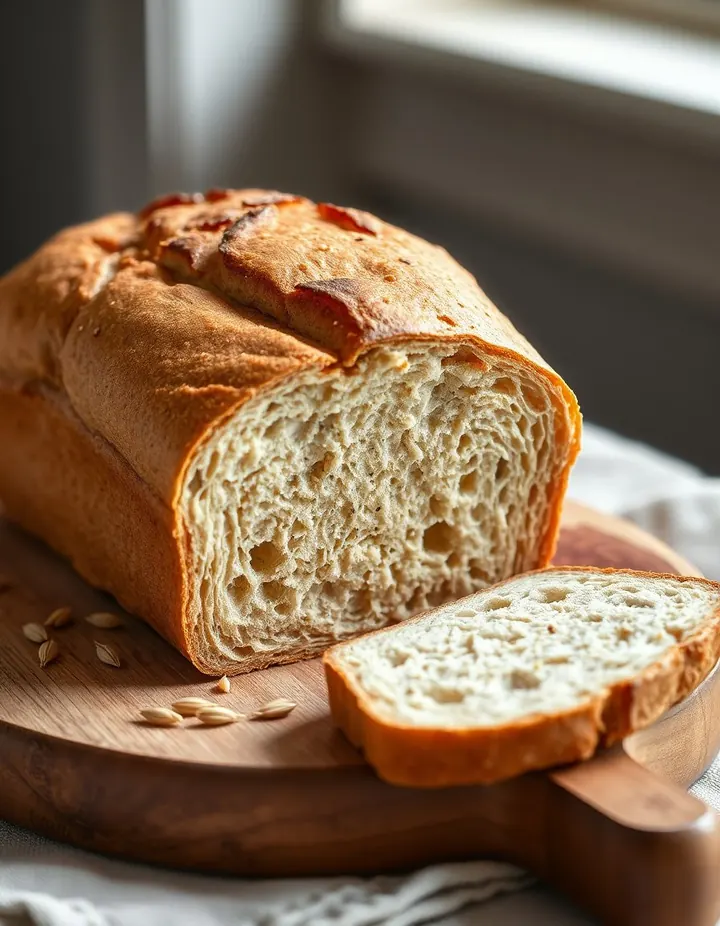 Wheat Bread65 recipes
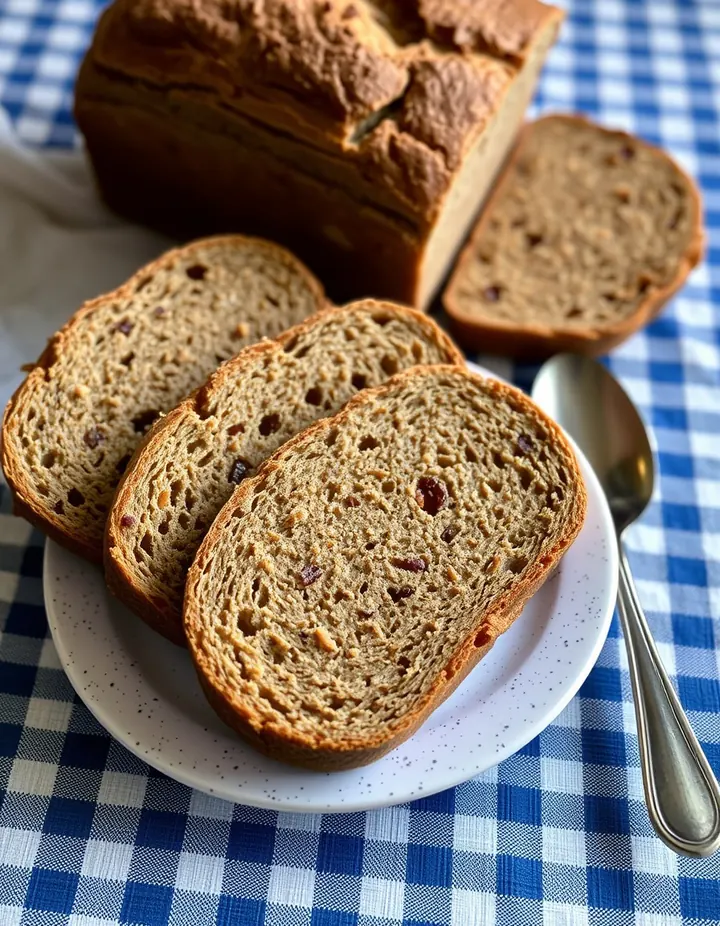 Whole Wheat Bread55 recipes
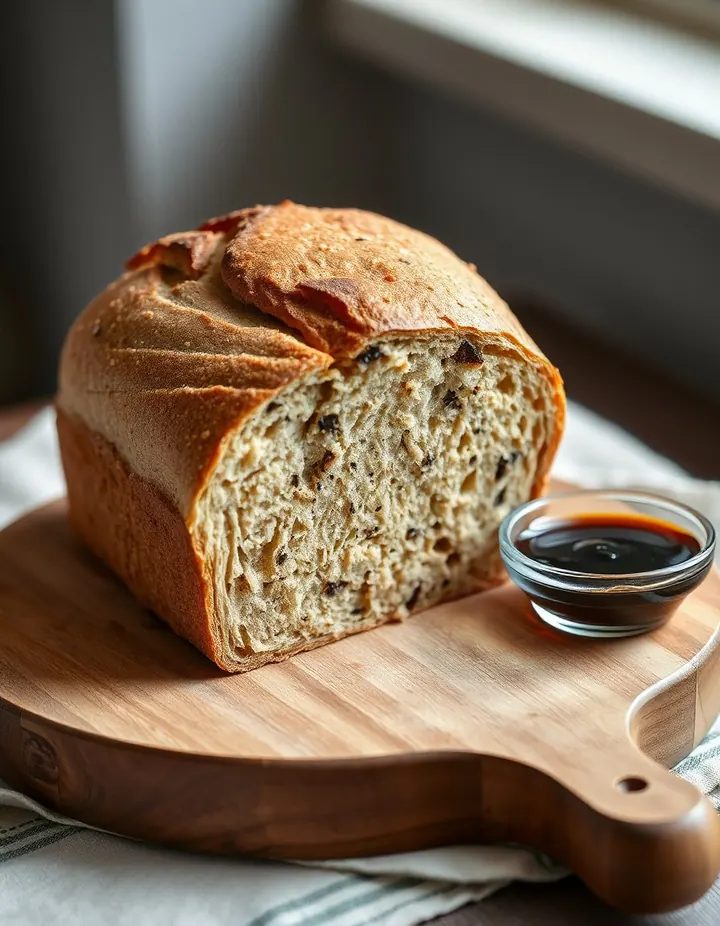 Barley Wheat Bread6 recipes
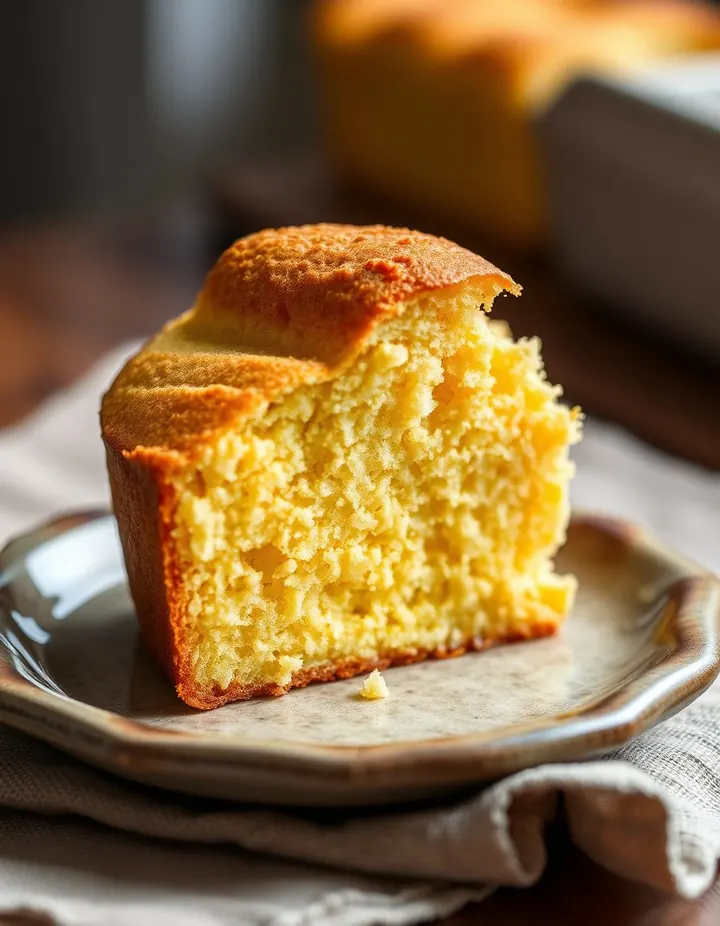 Cornbread345 recipes
The free Flavor Lab newsletter: one surprising pairing a week and the molecular reason it works, in 60 seconds. No spam, unsubscribe anytime.
Prefer an account? Create a free account to save pairings and unlock the full chemistry.