Why it works: Malt and potato work together. They rank in the top 14% of all ingredient pairs, and cooks put them together in 43 recipes. Both carry beta-damascenone, which smells apple, rose. The science ↓
Virgin Yeast
Ingredients
Directions
Prepare the starter
Take a handful of malt from the bottom of the tub and place it in a clean jar.
Add 4 quarts of yeast liquid to the jar; it will be ready in about 24 hours.
Make the ferment and sponge
Boil and mash 20 quarts of potatoes to fill a barrel with ferment.
Add 10 pounds of strong flour and 10 quarts of yeast to the ferment; it will be ready in about 10 hours.
For the sponge, mix 12 gallons of ferment with 1 gallon of water; it will be ready in about 3 hours.
Mix and shape the dough
Add 13 gallons of warm water and 6 pounds of salt to the sponge; add shortening if desired.
Scrape the mixture from the bottom of the trough, break up the sponge well, and make a firm dough.
Rise and bake
Let the dough rise twice, then scale, mold, raise, and bake.
Transcribed from a scanned cookbook and modernised for today's kitchens. Where the book gave no heat or time, or said "a moderate oven", the temperatures and times here may be modern equivalents rather than the book's own figures.
Explore the science
The flavor team
The pairs that carry this dish. Each one is judged two ways: how much their aromas overlap, and how often cooks already put them together.
-
Malt + potatotop 14% of all pairsSmell alikemoderateCooked together43 recipes
Shared aroma: beta-damascenone (apple, rose).
-
Potato + flourtop 15% of all pairsSmell alikemoderateCooked together5,355 recipes
Shared aroma: isobutyraldehyde (malty, green).
-
Malt + flourtop 24% of all pairsSmell alikelowCooked together260 recipes
Shared aroma: isobutyraldehyde (malty, green).
Ranks compare each pair with 20,000 random ingredient pairs on CompKitchen. How we score pairs
What each ingredient does
- Strong flour
- Provides gluten structure that traps gas and gives the bread its chewy crumb.
- Potatoes
- Add moisture and starch, helping the loaf stay soft and moist.
- Yeast liquid
- Supplies the yeast that leavens the dough by producing carbon dioxide gas.
- Malt
- Supplies sugars that feed the yeast and encourage fermentation.
The step that matters
Break up the sponge well. Lumps of sponge ferment unevenly and can leave pockets in the dough. Thorough breaking up spreads the yeast and fermenting material evenly, so the dough rises uniformly and forms a consistent firm texture.
Swap the potato
How well each one fits the dish's main ingredients (malt, flour):
- Shallotfits better
- Beetrootfits better
- Arrowrootfits better
- Potatothe original
Fit is the average pairing score against malt, flour. Candidates are from the same food group and used in at least 100 recipes.
“What each ingredient does” and “The step that matters” were written by Claude from this recipe’s own method and reviewed in samples by CompKitchen.
More potato bread recipes
You might also like
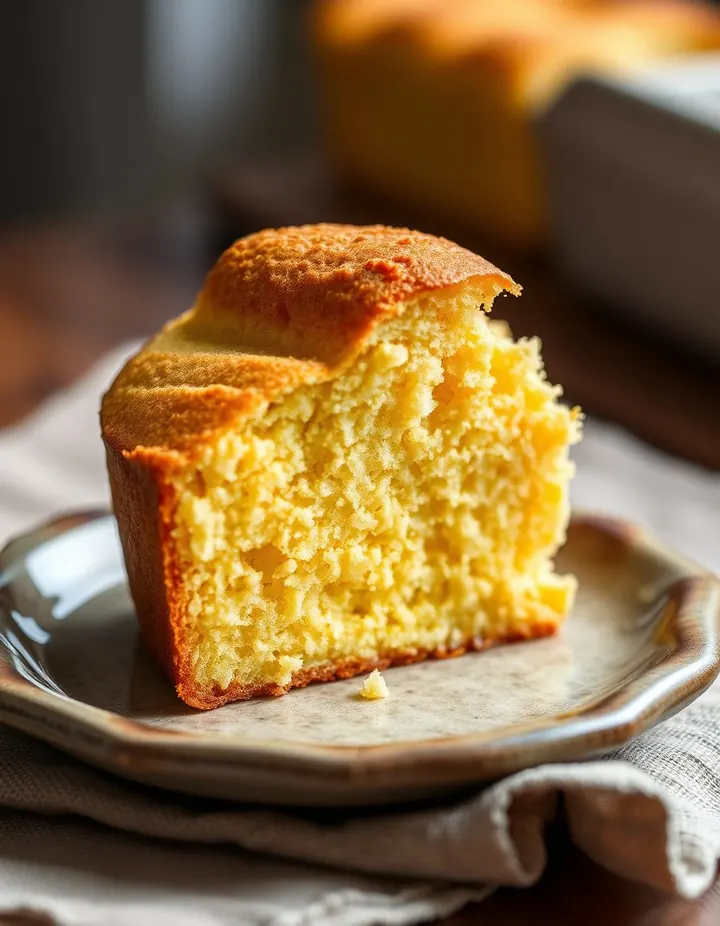 Cornbread345 recipes
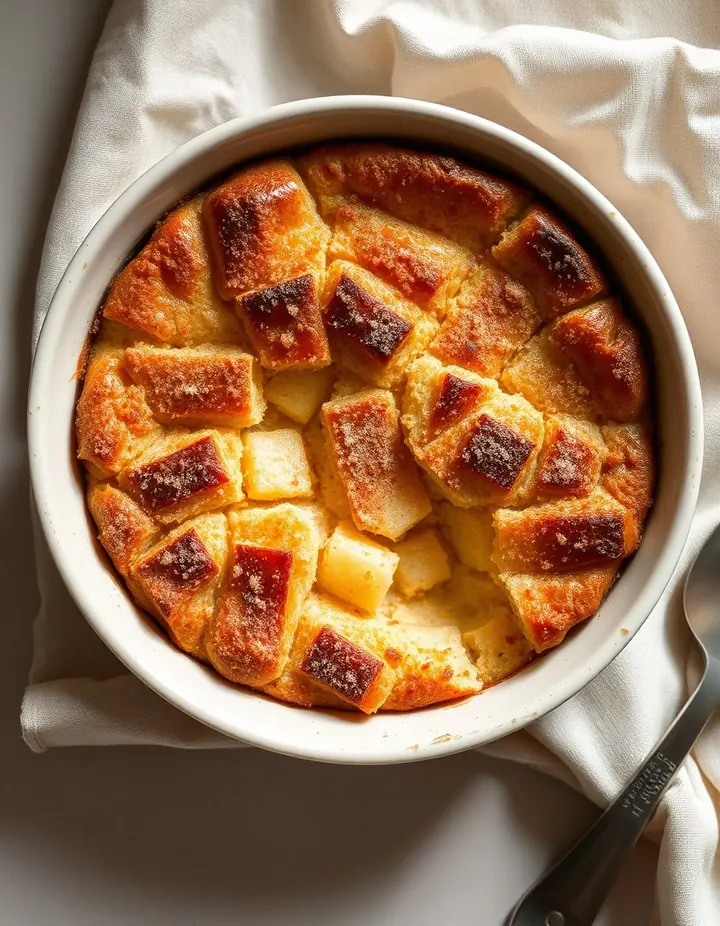 Bread Pudding336 recipes
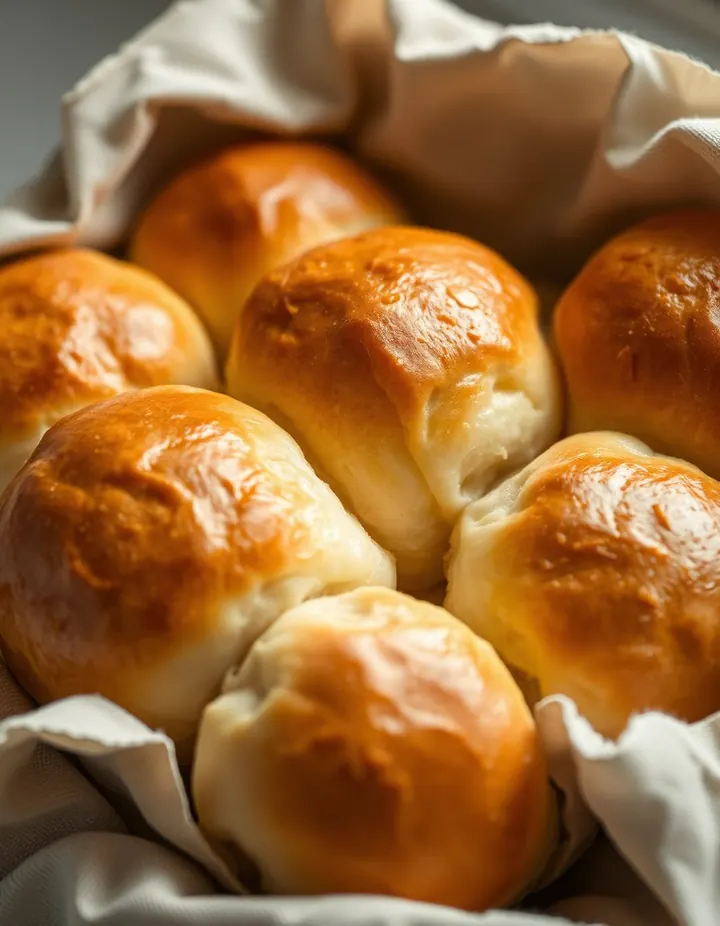 Milk Bread Rolls242 recipes
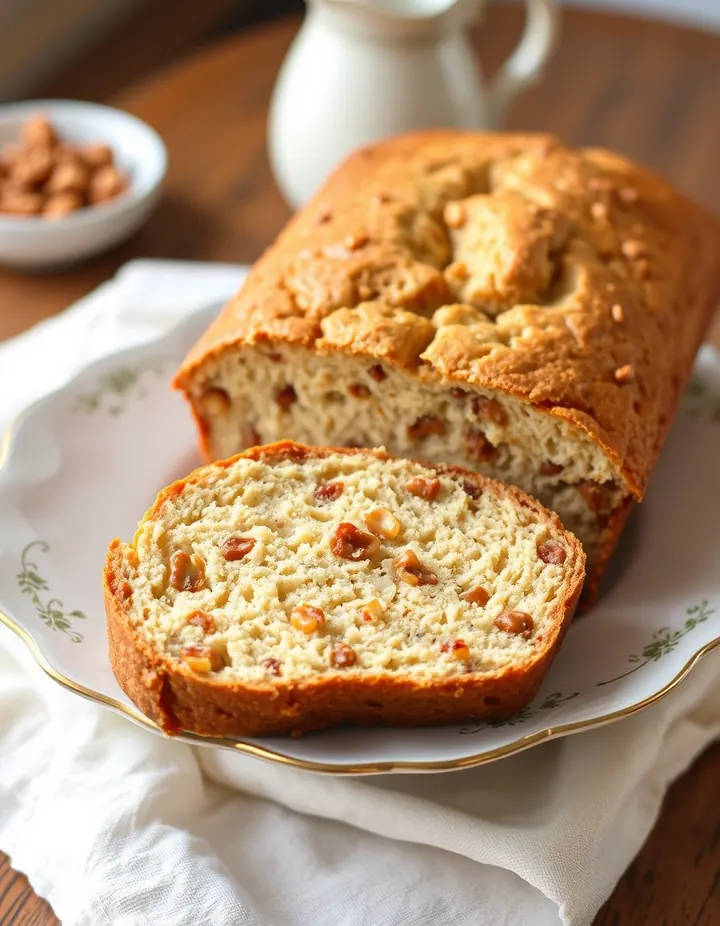 Nut Bread109 recipes
The free Flavor Lab newsletter: one surprising pairing a week and the molecular reason it works, in 60 seconds. No spam, unsubscribe anytime.
Prefer an account? Create a free account to save pairings and unlock the full chemistry.