Why it works: Barley and beef work together. They rank in the top 7% of all ingredient pairs, and 458 recipes mention both. Both carry 2-furfurylthiol, which smells coffee, roasted. The science ↓
In Phials
Ingredients
Directions
Prepare
Souse the pigs' foot and tripe.
Whip the egg.
Peel and prepare the apples.
Heat the milk until warm.
Use fresh eggs as needed.
Prepare the codfish by curing and drying.
Shave the cabbage and mix with vinegar.
Use the sour hard apples as needed.
Cook the ingredients
Boil the trout until cooked through.
Broil the venison steak.
Boil the animal brains until tender.
Boil the sago until soft.
Boil the tapioca until cooked.
Boil the barley until tender.
Broil the beef's liver until cooked.
Boil the sour apples until soft.
Roast the wild turkey until done.
Boil the domestic turkey until cooked through.
Boil the gelatine until dissolved.
Roast the wild goose until cooked.
Roast the sucking pig until tender.
Broil the fresh lamb until cooked.
Warm the hash of meat and vegetables.
Boil the pod beans until tender.
Bake the sponge cake until golden.
Boil the parsnips until soft.
Roast the Irish potatoes until golden.
Boil the head cabbage until tender.
Boil the spinal marrow until cooked.
Fricassee the full-grown chicken until tender.
Bake the custard until set.
Boil the beef with salt until cooked.
Serve the fresh oysters raw.
Soft boil the fresh eggs until desired doneness.
Broil the striped bass until cooked.
Roast the lean beef until rare.
Transcribed from a scanned cookbook and modernised for today's kitchens. Where the book gave no heat or time, or said "a moderate oven", the temperatures and times here may be modern equivalents rather than the book's own figures.
Explore the science
The flavor team
The pairs that carry this dish. Each one is judged two ways: how much aroma chemistry they share, and how many recipes mention both.
-
Barley + beeftop 7% of all pairsAroma overlapmoderateMentioned together458 recipes
Shared aroma: 2-furfurylthiol (coffee, roasted).
-
Barley + cabbagetop 8% of all pairsAroma overlapstrongMentioned together124 recipes
Shared aroma: 3-hexenal (apple, fruity).
-
Apple + milktop 11% of all pairsAroma overlapmoderateMentioned together4,104 recipes
Shared aroma: 4-heptenal (creamy, biscuit).
-
Apple + cabbagetop 12% of all pairsAroma overlapmoderateMentioned together235 recipes
Shared aroma: 2-isopropyl-3-methoxypyrazine (earthy, pea).
-
Milk + beeftop 12% of all pairsAroma overlapmoderateMentioned together3,759 recipes
Shared aroma: 1-hexanal (fruit).
Ranks compare each pair with 20,000 random ingredient pairs on CompKitchen. How we score pairs
What each ingredient does
- Eggs
- Bind the mixture and add structure and richness when set by heat.
- Milk
- Adds moisture and softness to the custard.
- Sago
- Thickens and gives a soft, tender body as it cooks.
- Tapioca
- Thickens and gives a soft, tender body as it cooks.
The step that matters
Bake the custard until set. Eggs set through gentle, even heat. Overbaking at high heat makes the custard curdle, weep and turn rubbery, so it should be removed once just set.
Flavor stand-ins for the cabbage
How well each one fits the dish's main ingredients (egg, apple, venison, barley, milk, beef, liver):
- Potatobetter flavor fit
- Asparagusbetter flavor fit
- Capsicumbetter flavor fit
- Cabbagethe original
Fit is the average pairing score against egg, apple, venison, barley, milk, beef, liver. Candidates are from the same food group and used in at least 100 recipes. This compares flavor only: it does not check the job the ingredient does in the dish (bulk, moisture, acidity, structure).
“What each ingredient does” and “The step that matters” were written by Claude from this recipe’s own method and reviewed in samples by CompKitchen.
You might also like
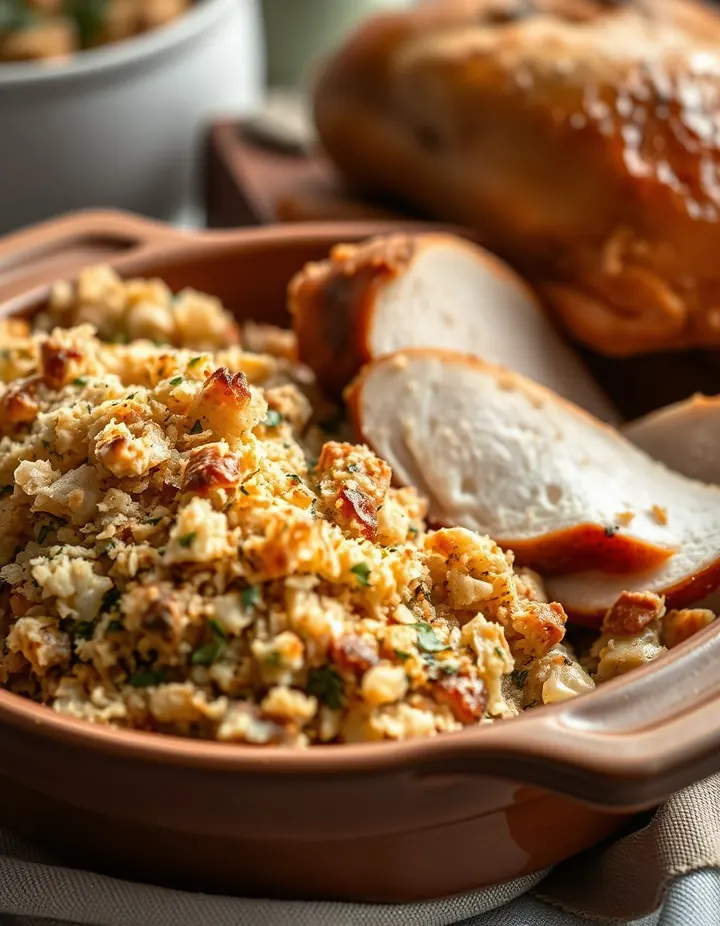 Turkey Stuffing6 recipes
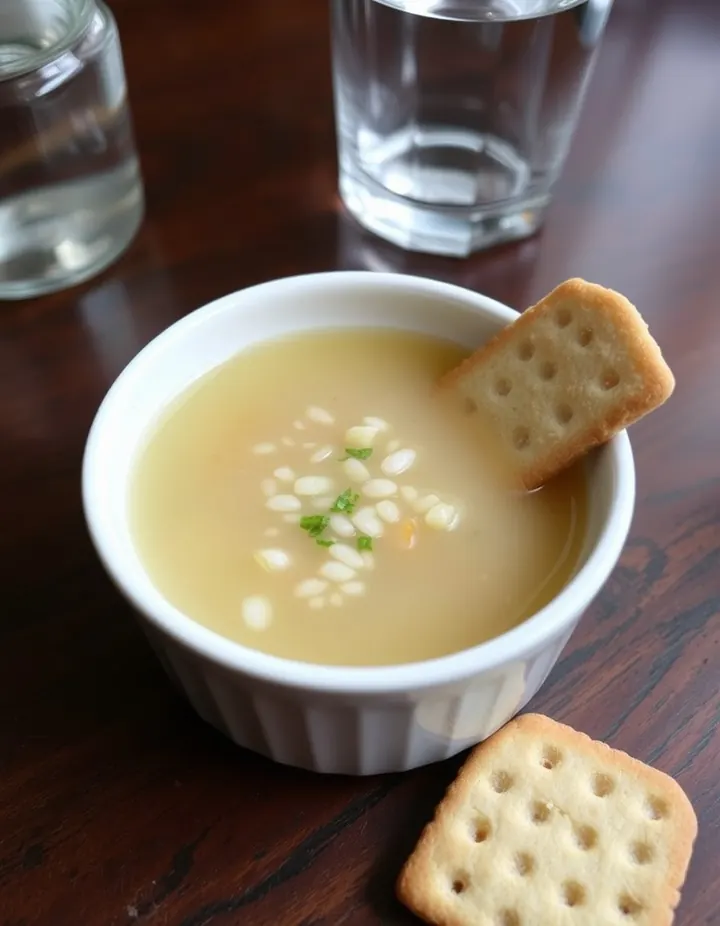 Chicken Broth257 recipes
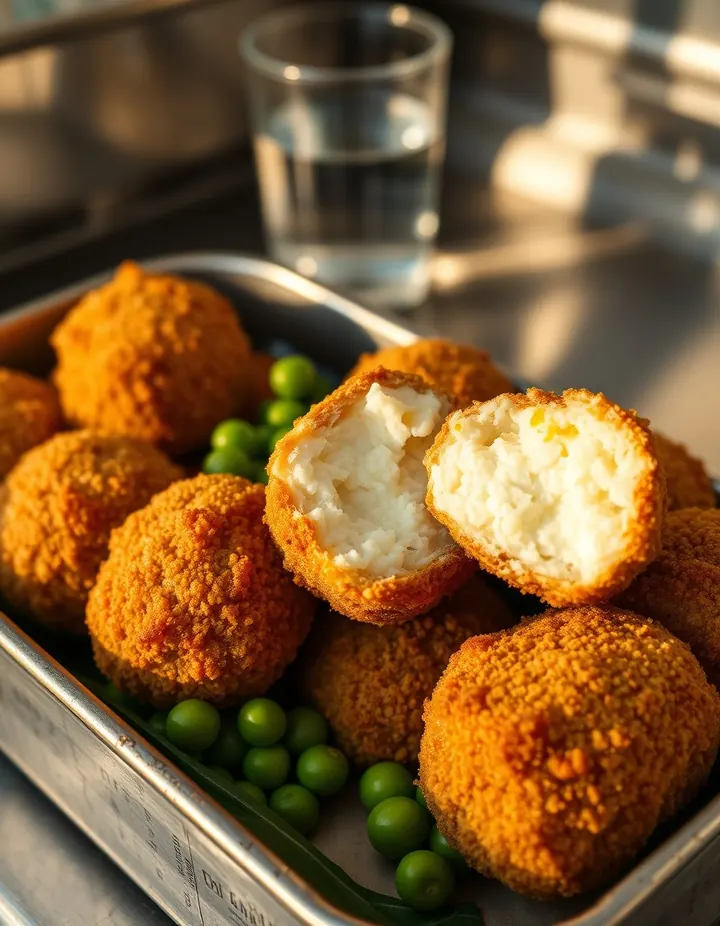 Potato Croquettes255 recipes
 Roast Beef211 recipes
The Sunday pairing: one pairing, the chemistry behind it, and how to cook it. No spam, unsubscribe anytime.
Prefer an account? Create a free account for sign-in; Pro adds the full results and chemistry.