Why it works: Red wine and rum share more aroma than cooks usually use. They rank in the top 3% of all ingredient pairs, and 23 recipes mention both. Both carry eugenol, which smells clove, spicy. The science ↓
The recipe
Ingredients
Contains: milk (auto-detected from the ingredients and method; we can miss things, so check labels)
Directions
Infuse and curdle
Pare the lemons and Seville oranges very thin and add the rinds to the milk.
Juice twelve lemons and twelve Seville oranges, then add the juice to the mixture.
Let it stand for twenty-four hours.
Sweeten and rest
Add the double-refined sugar and stir well.
Transfer to a jug, cover tightly, and let it stand for a fortnight.
Strain and bottle
Run it through a jelly-bag and bottle for use.
Transcribed from a scanned cookbook and modernised for today's kitchens. Where the book gave no heat or time, or said "a moderate oven", the temperatures and times here may be modern equivalents rather than the book's own figures.
Explore the science
The flavor team
The pairs that carry this dish. Each one is judged two ways: how much aroma chemistry they share, and how many recipes mention both.
-
Red wine + rumtop 3% of all pairsAroma overlapstrongMentioned together23 recipes
Shared aroma: eugenol (clove, spicy).
-
Lemon + orangetop 1% of all pairsAroma overlapstrongMentioned together10,632 recipes
Shared aroma: 3-hexenal (apple, fruity).
-
Rum + brandytop 2% of all pairsAroma overlapstrongMentioned together1,058 recipes
Shared aroma: beta-damascenone (apple, rose).
-
Red wine + brandytop 4% of all pairsAroma overlapstrongMentioned together103 recipes
Shared aroma: gamma-nonanolactone (coconut, sweet).
-
Orange + rumtop 5% of all pairsAroma overlapstrongMentioned together801 recipes
Shared aroma: beta-damascenone (apple, rose).
Ranks compare each pair with 20,000 random ingredient pairs on CompKitchen. How we score pairs
What each ingredient does
- New milk
- Its proteins curdle when the citrus juice is added, and the curds carry away solids to clarify the liquid.
- Lemons
- Their juice adds sharp acidity that curdles the milk and balances the sweetness.
- Seville oranges
- Their juice adds acidity, and their thinly pared rinds add aromatic oils and bitterness.
- Double-refined sugar
- Adds sweetness that balances the acidity of the citrus and the bitterness of the rinds.
- Rum
- Adds alcohol, which carries the citrus aromas and helps keep the finished liquid stable.
- Brandy
- Adds alcohol and body, which carries the citrus aromas and helps keep the finished liquid stable.
The step that matters
Adding the citrus juice to the milk. The acid in the juice makes the milk curdle, and the curds must be left to form and settle so they can be strained out later. Adding the juice too gently or too little can leave the liquid cloudy and unclear.
Flavor stand-ins for the lemon
How well each one fits the dish's main ingredients (milk, red wine, orange, rum, brandy, sugar):
- Vanillabetter flavor fit
- Applebetter flavor fit
- Pineapplebetter flavor fit
- Lemonthe original
Fit is the average pairing score against milk, red wine, orange, rum, brandy, sugar. Candidates are from the same food group and used in at least 100 recipes. This compares flavor only: it does not check the job the ingredient does in the dish (bulk, moisture, acidity, structure).
“What each ingredient does” and “The step that matters” were written by Claude from this recipe’s own method and reviewed in samples by CompKitchen.
More shrub recipes
You might also like
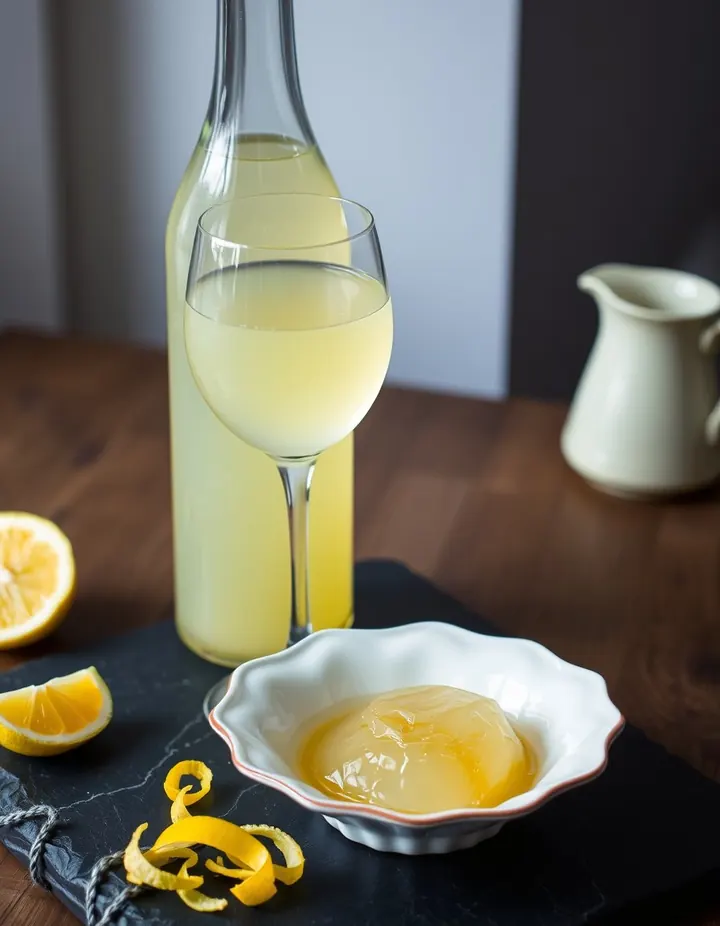 Illustration
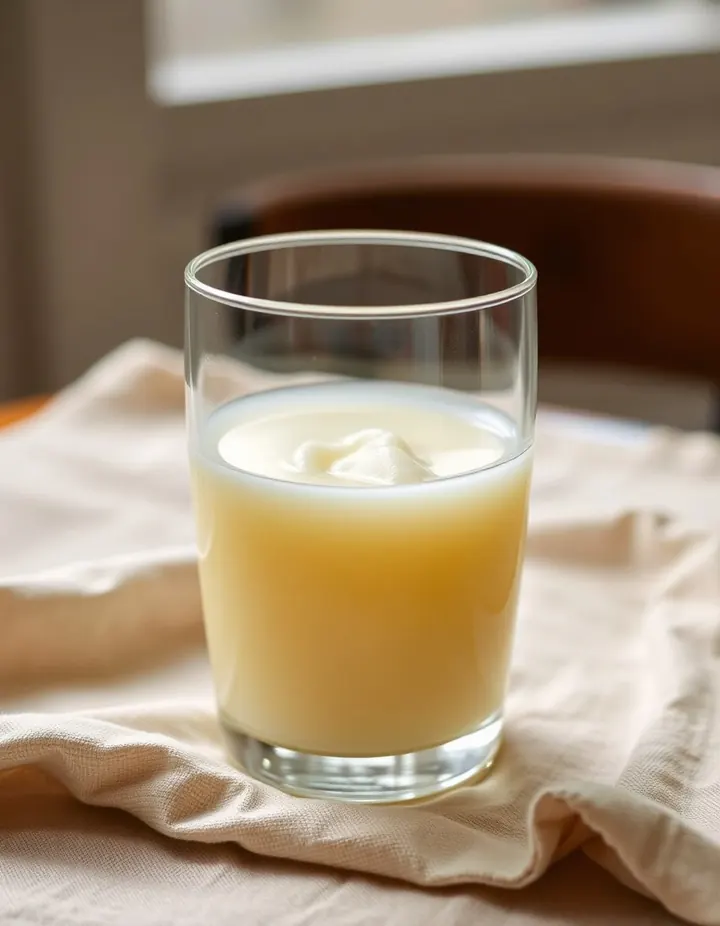 Illustration
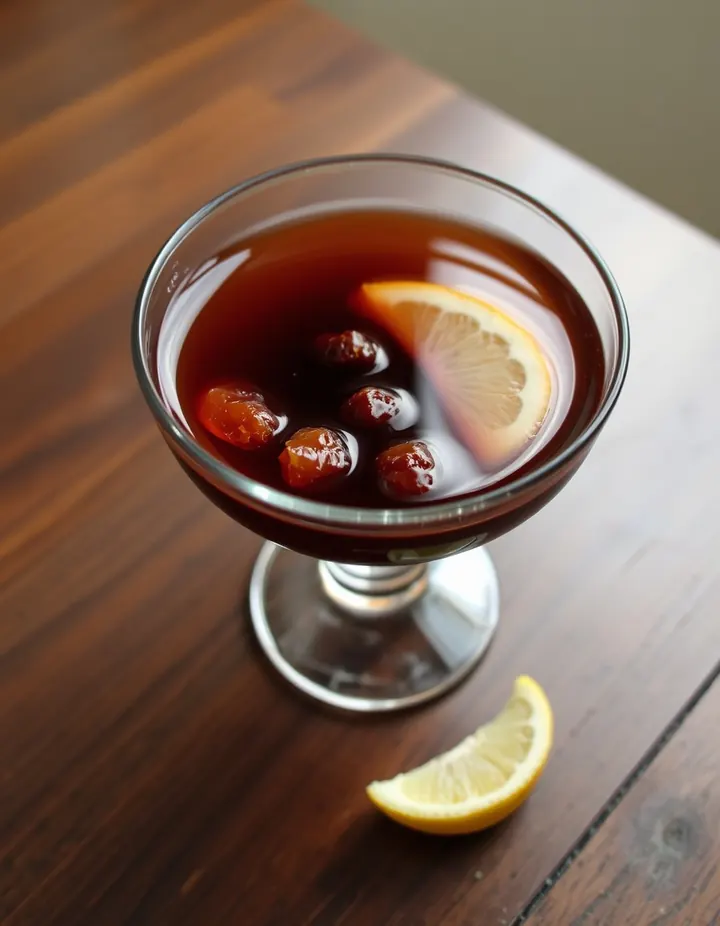 Illustration
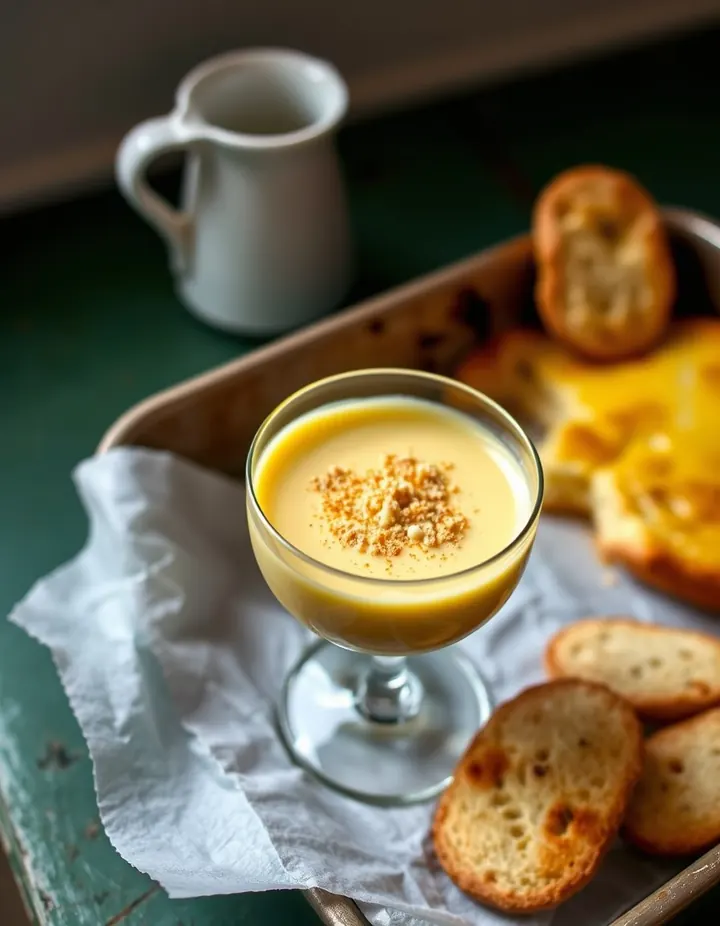 Illustration
The Sunday pairing: one pairing, the chemistry behind it, and how to cook it. No spam, unsubscribe anytime.
Prefer an account? Create a free account for sign-in; Pro adds the full results and chemistry.