Why it works: Sugar and wort work together. They rank in the top 28% of all ingredient pairs, and cooks put them together in 24 recipes. Both carry phenylacetaldehyde, which smells hawthorne, honey. The science ↓
To Cure a Hogshead of Sour Ale
Ingredients
Directions
Prepare the isinglass
Dissolve isinglass in new ale and let it sit by the fire overnight.
Make the sugar mixture
Boil brown sugar in new wort for 15 minutes.
Combine the boiled sugar mixture with new ale in a pail and whisk for an hour until frothy.
Clarify and age in the cask
Add plaster of Paris to the cask with the fermentation and whisk for 30 minutes to remove sediments.
If the cask is not full, fill it with new ale and allow fermentation to occur, removing the acid part.
Repeat filling the cask 4-5 times a day until fermentation is complete and the ale looks clear.
When it resembles new ale, add spent hops, close the cask, and let it stand for 6 weeks.
If not fine after 6 weeks, let it stand for an additional month.
Transcribed from a scanned cookbook and modernised for today's kitchens. Where the book gave no heat or time, or said "a moderate oven", the temperatures and times here may be modern equivalents rather than the book's own figures.
Explore the science
The flavor team
The pairs that carry this dish. Each one is judged two ways: how much their aromas overlap, and how often cooks already put them together.
-
Sugar + worttop 28% of all pairsSmell alikelowCooked together24 recipes
Shared aroma: phenylacetaldehyde (hawthorne, honey).
-
Sugar + hopstop 43% of all pairsSmell alikelowCooked together6 recipes
Shared aroma: guaiacol (smoky, sweet).
-
Wort + hopstop 49% of all pairsSmell alikelowCooked together0 recipes
Shared aroma: 1-octen-3-ol (mushroom, earthy).
Ranks compare each pair with 20,000 random ingredient pairs on CompKitchen. How we score pairs
What each ingredient does
- Isinglass
- Fining agent that gathers suspended particles so the ale clears.
- Brown sugar
- Adds sweetness and fuel for fermentation in the sugar mixture.
- Plaster of paris
- Helps precipitate sediment and clarify the ale during cask work.
- Spent hops
- Adds bitterness and aroma to the ale as it stands in the cask.
The step that matters
Adding plaster of Paris to the fermenting cask. Plaster of Paris must be fully mixed into the active cask to bind sediment and help clear the ale. Poor mixing leaves cloudiness and uneven clarity throughout the batch.
“What each ingredient does” and “The step that matters” were written by Claude from this recipe’s own method and reviewed in samples by CompKitchen.
You might also like
 Vegetable Soup350 recipes
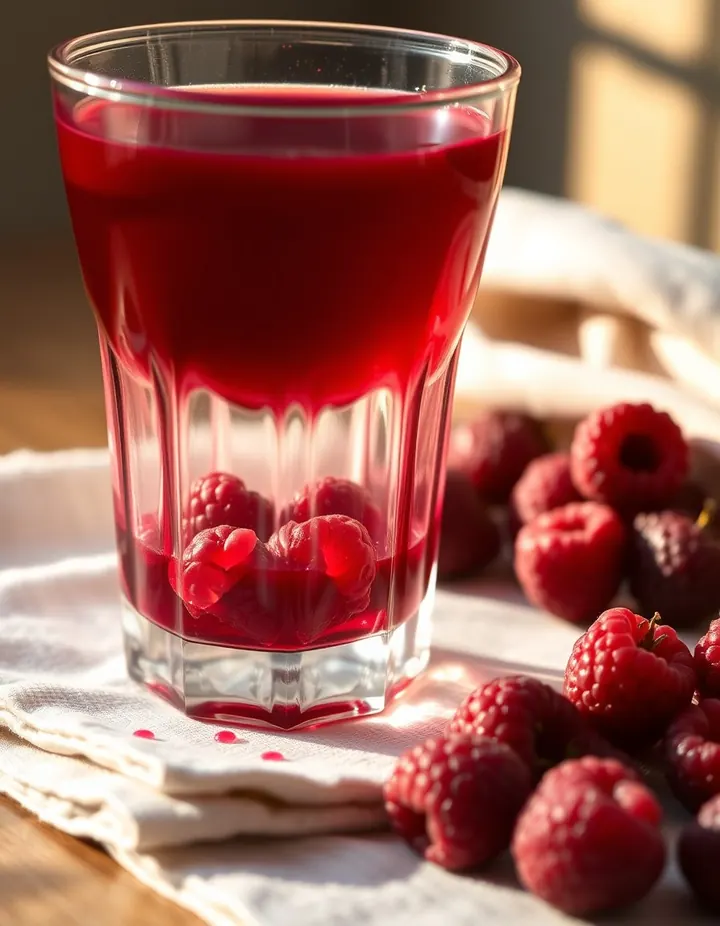 Raspberry Vinegar214 recipes
 Brown Coffee with Egg175 recipes
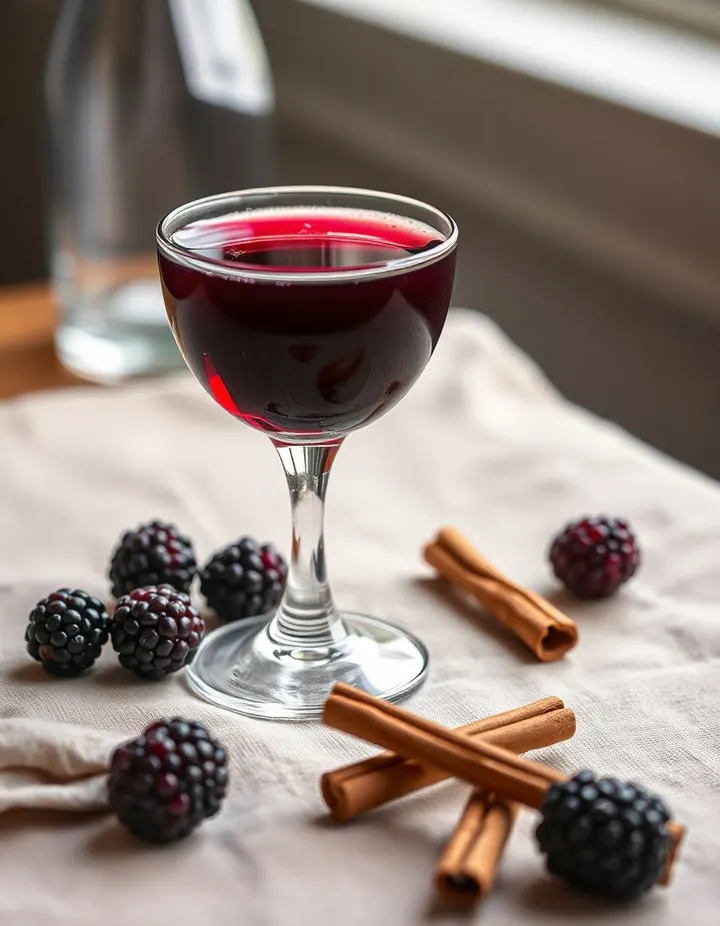 Blackberry Cordial129 recipes
The free Flavor Lab newsletter: one surprising pairing a week and the molecular reason it works, in 60 seconds. No spam, unsubscribe anytime.
Prefer an account? Create a free account to save pairings and unlock the full chemistry.