Why it works: Black currant and sugar work together. They rank in the top 22% of all ingredient pairs, and cooks put them together in 393 recipes. Both carry 1-penten-3-one, which smells fish, pungent. The science ↓
Black Currant Jelly
Ingredients
Directions
Extract the juice
Place black currants and water in a large stew pot.
Cover and set in a cool oven for 2 hours.
Squeeze the mixture through a fine cloth to extract the juice.
Make the jelly
Add 1.5 pounds of broken loaf sugar to each quart of juice.
Stir until the sugar is melted, then bring to a boil.
Skim off any foam, then boil quickly until it jellies.
To test, dip a skimmer into the jelly; it should hang in a drop when done.
Pot and store
Pour into pots, cover with brandy papers, and store in a dry place.
Transcribed from a scanned cookbook and modernised for today's kitchens. Where the book gave no heat or time, or said "a moderate oven", the temperatures and times here may be modern equivalents rather than the book's own figures.
Explore the science
The flavor team
The pairs that carry this dish. Each one is judged two ways: how much their aromas overlap, and how often cooks already put them together.
-
Black currant + sugartop 22% of all pairsSmell alikelowCooked together393 recipes
Shared aroma: 1-penten-3-one (fish, pungent).
Ranks compare each pair with 20,000 random ingredient pairs on CompKitchen. How we score pairs
What each ingredient does
- Black currants
- Provide the natural pectin and acid that allow the juice to set into a jelly.
- Loaf sugar
- Helps the jelly set, adds sweetness, and preserves the finished jelly.
The step that matters
Boil until it jellies. Jelly sets only when pectin, acid and sugar reach the right concentration at a boil. Stopping too early leaves it runny, while boiling too long can make it stiff and dull in flavor. The skimmer drop test helps you judge when setting point is reached.
“What each ingredient does” and “The step that matters” were written by Claude from this recipe’s own method and reviewed in samples by CompKitchen.
You might also like
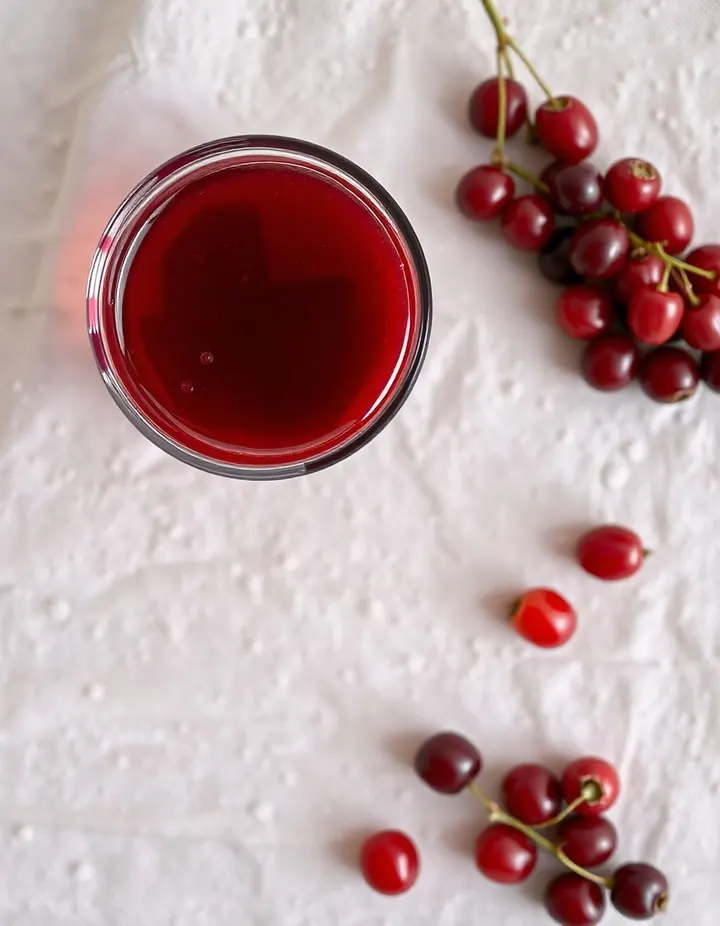 Red Currant Jelly65 recipes
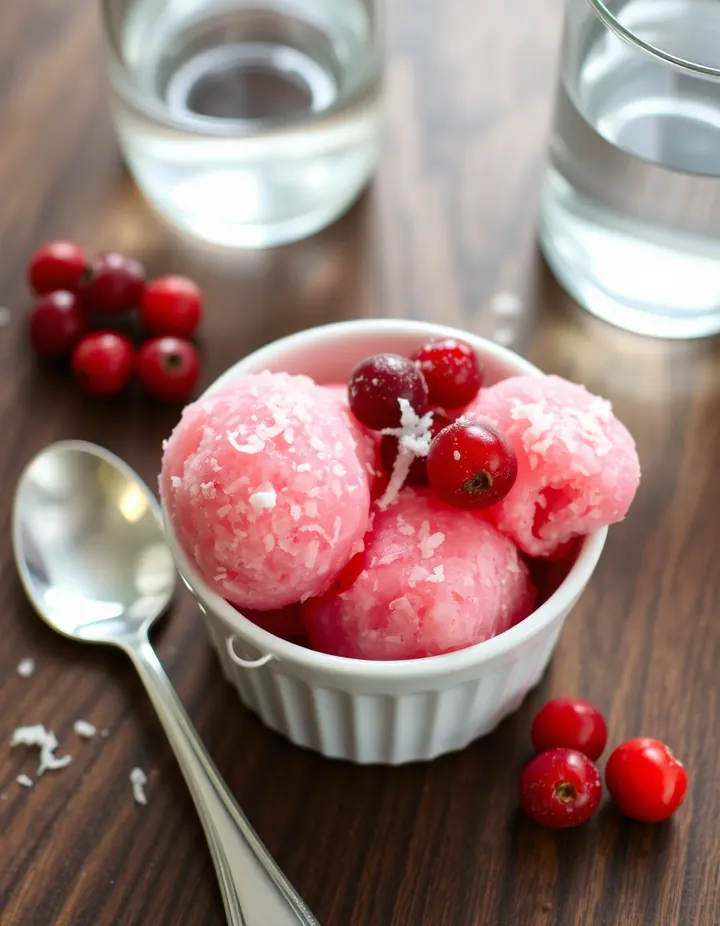 Currant Ice Cream32 recipes
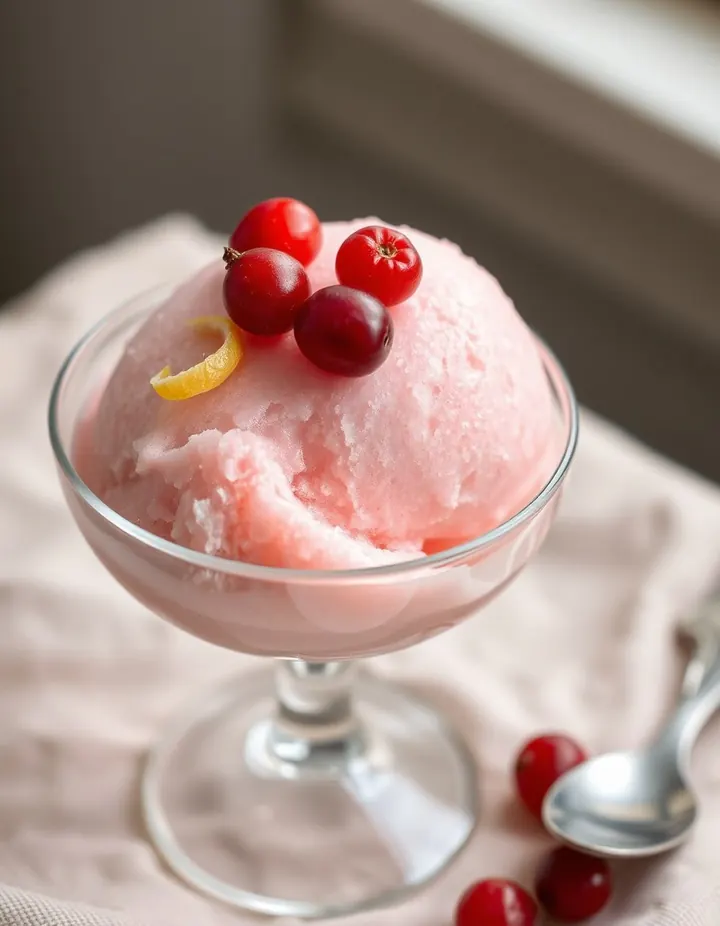 Currant Sherbet9 recipes
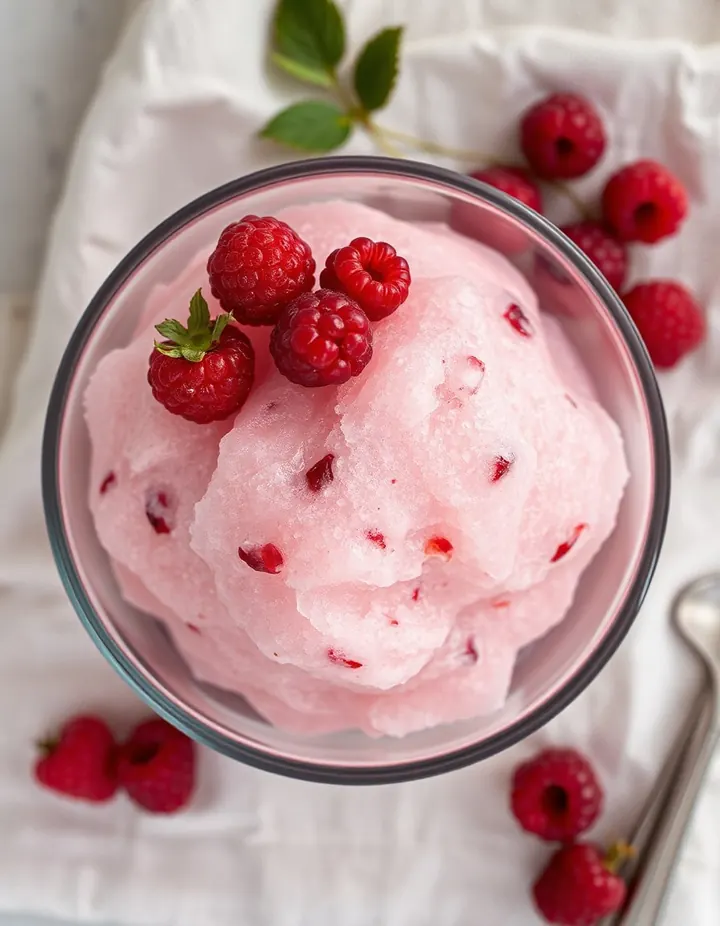 Currant and Raspberry Ice7 recipes
The free Flavor Lab newsletter: one surprising pairing a week and the molecular reason it works, in 60 seconds. No spam, unsubscribe anytime.
Prefer an account? Create a free account to save pairings and unlock the full chemistry.